
Did you know that more than 60% of overnight workers report feeling like they’re living in a parallel universe? Not because of the strange hours, but because their entire social life, sleep schedule, and even their sense of time get completely warped. I’ve been there. Two years ago, I traded my 9-to-5 for a job that started at 8 PM. And let me tell you, the first three months felt like I was trapped in a never-ending episode of Stranger Things—minus the Demogorgons, but plus a lot of caffeine.
8am isn’t just a time on the clock for most people—it’s a symbol of normalcy. Breakfast, morning meetings, the smell of coffee. But for the night shift crew, 8am is the end. It’s the moment they crawl into bed while the rest of the world is just waking up. And that’s where the secret lives. The hidden world of the graveyard shift isn’t just about working strange hours—it’s about surviving them with your sanity intact.
Here’s what most people miss: the night shift isn’t just a job—it’s a lifestyle that rewires your brain. And if you’re considering it, or already living it, you need to know how to hack it. Let’s dive into the 7 secrets that no one tells you about working when the world sleeps.

The Loneliest Hour: Why 3 AM Feels Like the End of the World
Let’s be honest—there’s a reason why horror movies always set their scariest scenes at 3 AM. That hour is brutal. I’ve found that around 2:30 to 4:30 AM, your brain starts playing tricks on you. You’ll question your life choices. You’ll wonder if you’re the only person awake on the planet. And if you’re working in a quiet office or a empty warehouse, the silence becomes almost deafening.
Here’s the truth: your body’s natural circadian rhythm is screaming for sleep. Melatonin production is at its peak, your core temperature drops, and your cognitive function takes a nosedive. I once spent ten minutes staring at a spreadsheet before realizing I hadn’t typed a single word. It’s not laziness—it’s biology.
So how do you fight it? Here’s what I’ve learned:
- Light therapy lamps work wonders—use them during your first hour of shift to trick your brain into thinking it’s daytime.
- Strategic caffeine timing—don’t drink coffee after 1 AM or you’ll never sleep when you get home.
- Have a “panic playlist”—upbeat, nostalgic songs that anchor you to reality. I used 80s synthwave.
The Sleep Paradox: How to Actually Rest When Your Neighbors Are Mowing Lawns
This is the elephant in the room. Night shift workers have a 40% higher risk of sleep disorders than day workers. I learned this the hard way after a month of sleeping four hours a day and feeling like a zombie. The problem isn’t just the hours—it’s the environment.
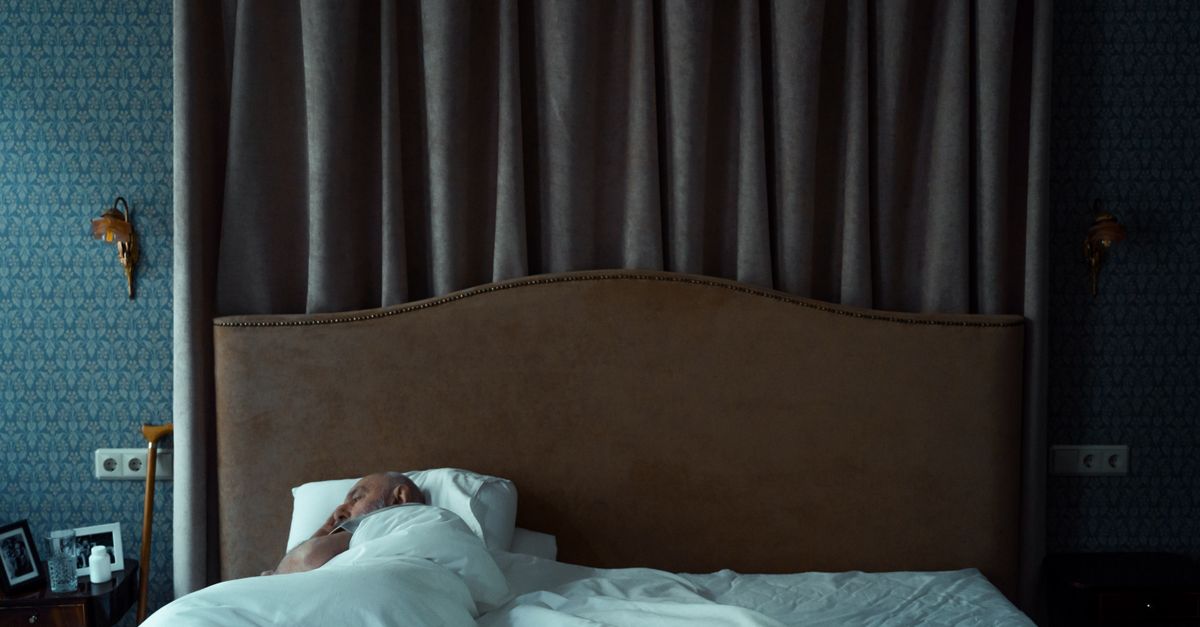
You’re trying to sleep while the world is wide awake. Sunlight floods your bedroom. Your neighbor decides 10 AM is the perfect time to start a construction project. And your phone buzzes with texts from friends who forgot you’re asleep.
Here’s the secret: you need to treat sleep like a job. Not in a stressful way, but with the same level of commitment. I’ve created a ritual that changed everything:
- Blackout curtains that cost more than my first car—worth every penny.
- A white noise machine that drowns out lawnmowers and doorbells.
- A strict “no screens” rule for 30 minutes before bed—yes, even your phone.
- Cool your room to 65°F—your body needs that temperature drop to fall asleep.
The Social Sacrifice: How to Not Lose All Your Friends
Here’s a hard truth: your social life will take a hit. Not because your friends are bad people, but because you’re literally living in a different time zone. When they’re having dinner, you’re at work. When they’re partying on Friday night, you’re sleeping for your Saturday shift.
I remember missing my best friend’s birthday dinner because I had to work until 7 AM. I felt like a terrible person. But here’s what I’ve learned: quality over quantity. You don’t need to see people every week—you need to show up when it matters.
Some tricks that saved my friendships:
- Schedule “breakfast dates”—meet friends at 8 AM after your shift for pancakes while they’re having breakfast.
- Use video messages—send a 30-second video instead of a text. It feels more personal.
- Be upfront about your schedule—post it on your fridge or share a Google Calendar. People forget.
The Health Toll: What 8 AM Really Does to Your Body
Let’s talk about the elephant in the room that no one wants to discuss. Working nights increases your risk of heart disease, diabetes, and even certain cancers. I’m not saying this to scare you—I’m saying it because knowledge is power.
Your body wasn’t designed to be awake at 3 AM. When you fight your natural rhythm, you’re disrupting hormone production, digestion, and immune function. I gained 15 pounds in my first six months because I was eating fast food at 2 AM and never exercising.
Here’s what I changed:
- Meal prep like a boss—cook healthy meals for your “lunch” break at 1 AM.
- Exercise before work—even 20 minutes of yoga or a short walk helps regulate your cortisol.
- Hydrate constantly—I keep a 1-liter bottle on my desk and refill it twice.
- Supplement wisely—Vitamin D is non-negotiable since you’re missing sunlight. Also, magnesium for sleep.

The Mental Game: How to Stay Sane When Everything Feels Backwards
This is the part they don’t teach you in orientation. The mental toll of night work is real, and it’s sneaky. You’ll feel disconnected from the world. You’ll miss the spontaneity of day life—like grabbing coffee with a friend or going to a last-minute movie.
I experienced something called “shift work disorder” without realizing it. Irritability, depression, and brain fog became my new normal. I thought I was just tired. But I was actually struggling with the psychological effects of being out of sync.
Here’s what helped:
- Create a “transition ritual”—when your shift ends, take 10 minutes to decompress. I sit in my car and listen to one song before driving home.
- Embrace the weirdness—don’t fight it. Your schedule is unusual, so lean into it. Watch movies at 4 AM. Read books during your lunch break. Own it.
- Find your tribe—join online communities for night shift workers. Reddit’s r/nightshift saved my sanity.
- Practice gratitude—sounds cheesy, but I started a journal where I wrote one good thing about my shift each night. It shifted my perspective.
The Secret Superpower: Why 8 AM Is Actually Your New Best Friend
And now for the part that might surprise you. There’s a hidden upside to being awake at 8 AM after a night shift. You see the world in a way that most people never will. The sunrise after a long shift? It’s almost spiritual. The empty streets, the quiet, the sense of accomplishment—it’s a feeling that day workers will never understand.
I’ve found that my creativity peaked during the graveyard shift. Without distractions, I could think deeply. I wrote some of my best articles at 4 AM. I planned my career moves during quiet nights. And I learned to appreciate the small things—like the taste of my coffee at 6 AM or the sound of birds chirping as I finally closed my eyes.
The night shift taught me resilience. It taught me that I could adapt to anything. And when I eventually switched back to a day schedule, I brought those lessons with me. I’m more focused, more intentional, and more grateful for the normalcy that most people take for granted.
So if you’re reading this at 8 AM—whether you’re just starting your day or just ending your night—know this: you are part of a secret club. A club of night owls, dreamers, and survivors. And you have a story that most people will never hear.
But now you know the secrets. The sleep hacks. The social strategies. The health tips. And the mental tricks.
What’s your next move?





