
Let me tell you something that’s been bugging me for a while.
Every time I hear someone talk about “85% local content” in tech, my brain immediately jumps to one place: Is this a real, achievable goal, or just another buzzword that sounds good on a government report? I’ve spent the last few years watching tech hubs in Nigeria, Kenya, and South Africa try to crack this nut. And honestly? The results are mixed — but the potential is shocking.
Here’s the thing: local content isn’t just about assembling phones in Lagos or writing code in Nairobi. It’s about ownership, control, and value capture. It’s the difference between being a consumer of technology and a creator of it. And when we talk about hitting that 85% threshold, we’re really talking about flipping the script on decades of dependency.
Let’s dive into what this actually means — and why most people are missing the hidden pieces.
The 85% Local Content Lie You’ve Been Told
I’ll be blunt: most governments and corporations are lying to you about local content. They’ll point to a factory that assembles smartphones and call it “local manufacturing.” But here’s what they don’t tell you: the chips come from Taiwan, the display from South Korea, the software from California, and the design from Finland. That “local” phone? It’s maybe 5% local value — the screws, the packaging, and the labour.
The 85% target isn’t about assembly. It’s about the entire value chain. Let’s break down what that actually looks like:
- Hardware: Sourcing raw materials (silicon, rare earth metals) locally
- Manufacturing: Actual fabrication, not just assembly
- Software: Operating systems, apps, and cloud services built by local teams
- Intellectual Property: Patents, trademarks, and proprietary tech owned by local entities
- Talent: Engineers, designers, and managers who are homegrown
- Capital: Investment from local banks, VC firms, and government funds
The 3 Hidden Sectors Nobody Talks About
When people think local content in tech, they usually picture hardware. But I’ve found that the real leverage points are in three areas that get almost zero attention.
1. Data Centres and Cloud Infrastructure
This is the silent giant. Every app, every website, every AI model runs on servers. Right now, most African data is stored in Europe or the US. That means every time you use a local app, money leaves the continent to pay for AWS or Google Cloud.
The 85% local content dream requires local data sovereignty. We’re talking about fibre networks, data centres, and cloud platforms owned and operated by local companies. Countries like Kenya and South Africa are making moves, but it’s still a drop in the ocean.
Why this matters: If your data stays local, you control the security, the pricing, and the regulatory compliance. Plus, you create high-paying jobs for network engineers, security analysts, and hardware technicians.
2. Software Localisation (Not Just Translation)
Here’s a secret: local content isn’t just about where the code is written — it’s about who the code serves. Most “local” apps are just clones of Western products with a different skin. That’s not localisation, that’s imitation.
True local content means software that understands local languages, cultural nuances, payment systems, and regulatory environments. Think of a banking app that works with mobile money and traditional banking, or an e-commerce platform that handles cash-on-delivery with village-level logistics.
I’ve seen startups in Nigeria build logistics software that works with okada riders and shared taxis. That’s local content. That’s the 85% vision.
3. Component Manufacturing and Raw Materials
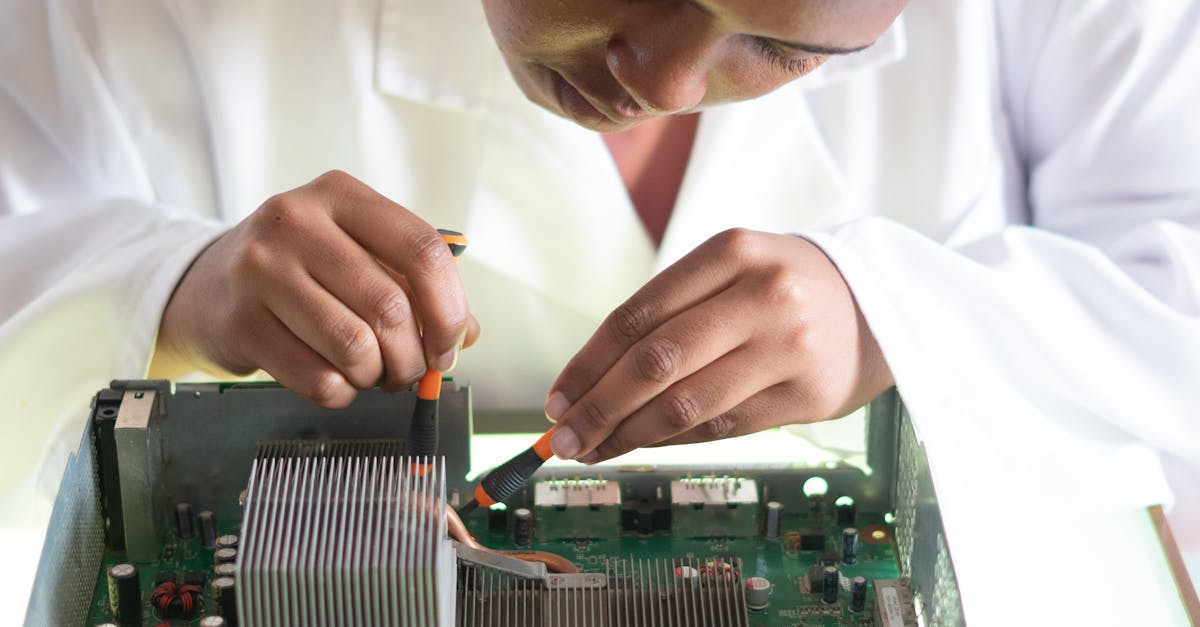
This is the toughest nut to crack. You can’t have 85% local content without making the parts yourself. And let’s be honest — we’re not building a semiconductor fab next week. But we can start with simpler components: batteries, chargers, cables, casings, and sensors.
Countries like Rwanda are experimenting with local battery production using lithium from the DRC. Ghana is exploring local silicon processing. These are tiny steps, but they’re the foundation of the 85% goal.
Why Most Local Content Policies Are Failing
Let’s be honest: policies are written by people who don’t build things. I’ve read through a dozen local content bills across African countries, and they all have the same problem: they focus on percentage targets without addressing capacity gaps.
Here’s the hard truth:
- You can’t force 85% local content if you don’t have the skilled labour. You need engineers, technicians, and managers who understand the entire value chain.
- You can’t force it if capital isn’t available. Local banks don’t understand tech. They want collateral, not IP.
- You can’t force it if the market isn’t ready. Consumers in Africa often prefer imported products because they’re cheaper or perceived as higher quality.
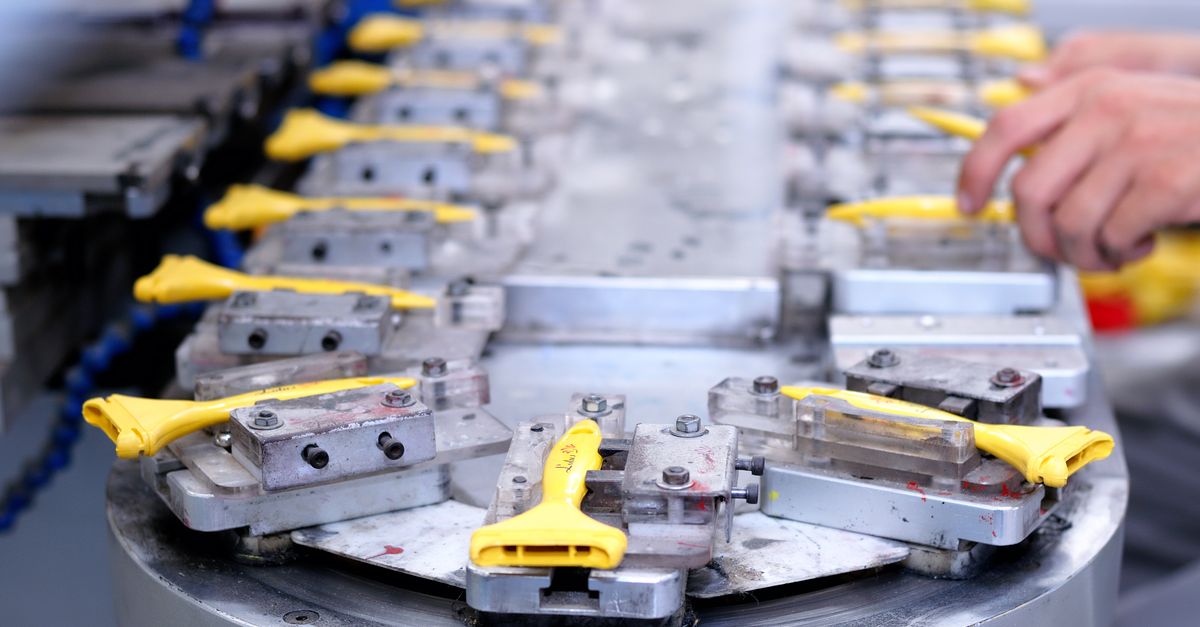
I’ve seen what happens when governments rush: you get fake compliance. Companies claim local content but actually import everything and just do final assembly. That’s not progress — it’s theatre.
The Surprising Success Stories That Give Me Hope
Not everything is doom and gloom. There are real examples of local content working — and they’re not the ones you hear about on CNN.
1. Safaricom’s M-Pesa
This is the poster child. M-Pesa was built in Kenya, for Kenya. It uses local infrastructure, local talent, and local capital. It’s now a multi-billion dollar business that’s expanded globally. That’s 85% local content in spirit, if not in every component.
2. Andela’s Talent Pipeline
Andela doesn’t build hardware, but they’ve created a model where African software engineers work on global projects while staying local. The revenue stays in Africa. The IP is shared. That’s a form of local content that most people overlook.
3. Nigerian Fintech Stack
Flutterwave, Paystack, and Interswitch have built payment infrastructure that processes billions of dollars annually. They use local servers, local teams, and local regulatory frameworks. That’s the future of local content — digital infrastructure that can’t be outsourced.
The 5 Things That Actually Need to Happen for 85% Local Content
I’ve been thinking about this for years, and here’s my honest list of what must change:
- Government procurement must prioritise local tech. If the government buys 85% local, the market will follow.
- Education must shift from theory to practice. You can’t build hardware if you’ve never held a soldering iron.
- Venture capital must come from local sources. Foreign money comes with strings attached.
- Intellectual property laws must be strengthened. You can’t protect what you build if the legal system doesn’t support it.
- Consumers must be willing to pay a premium for local. This is the hardest one. We all want local, but we want it cheap.

The Verdict: Is 85% Local Content Realistic?
Here’s my honest take: 85% local content is possible, but not in the way most people imagine. It won’t be about every single component being made locally. That’s a fantasy in a globalised world.
Instead, it will be about strategic localisation:
- Where it matters most (data, software, IP, talent), we aim for 100%
- Where it’s impractical (rare earth minerals, advanced chips), we accept 20-30%
- And we measure success by value capture, not just percentage
Because let’s be honest: if we don’t own the technology, we don’t own the future. And that’s a future I refuse to accept.
What’s your take? Have you seen local content done right in your country? Drop a comment below — I read every single one. And if you found this useful, share it with someone who needs to hear the truth about local content.





