Let me tell you something that's been rattling around my brain for months now. I was sitting in a cramped sports bar in Austin last summer, watching a friendly between the USMNT and Colombia on a grainy screen, when it hit me: the 2026 World Cup isn't just a tournament. It's a tectonic shift waiting to happen. And most Americans have no idea how big this thing is about to get.
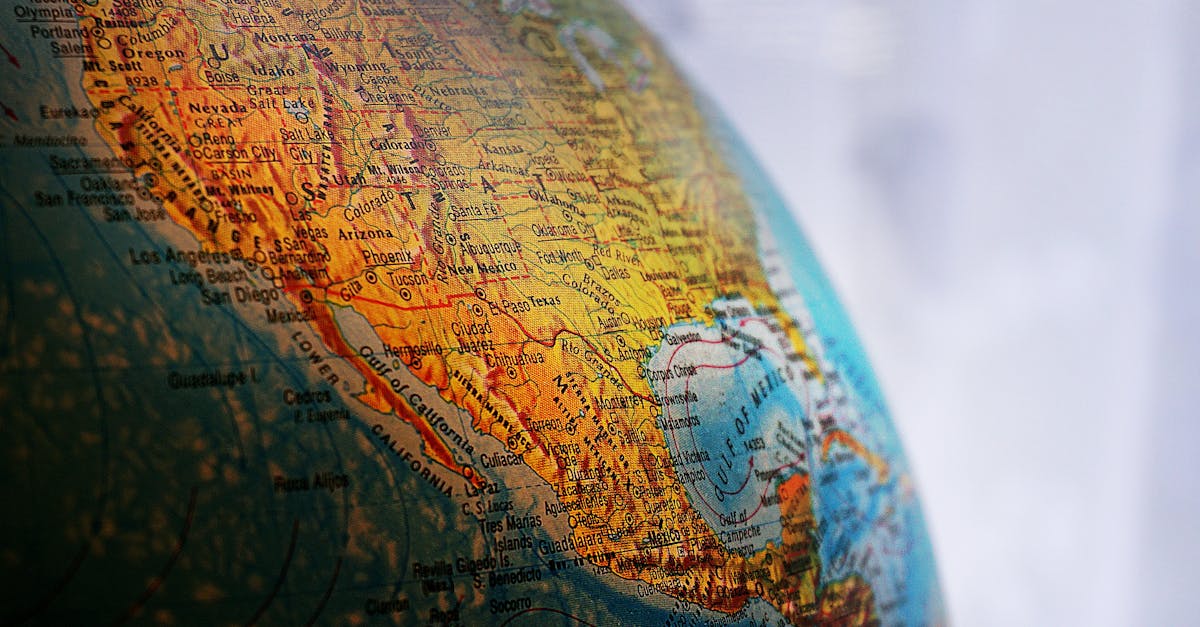
We're talking about the biggest sporting event on the planet landing on North American soil — and for the first time ever, it's spread across three countries. The United States, Canada, and Mexico are co-hosting, with 48 teams instead of 32. That's 104 matches. More games, more fans, more chaos, more money. And honestly? More opportunity for soccer to finally stop being "that sport your kid plays on Saturdays" and become a genuine cultural force in America.
The Numbers Are Bonkers (And That's the Point)
Let's get the stats out of the way because they matter. The 2026 World Cup will feature 48 teams across 16 host cities — 11 in the US alone. From Atlanta to Seattle, from Miami to Kansas City. We're not just talking about New York and LA getting the spotlight. This thing is coming to your backyard.
Think about what that means for places like Philadelphia or Houston. For weeks, their local economies will be flooded with international fans, media, and money. Hotels booked solid. Bars packed. Entire downtowns turned into global villages.
I've found that Americans tend to underestimate how much soccer fandom already exists here — it's just been hiding in plain sight. Walk through any immigrant-heavy neighborhood on a Sunday morning and you'll see it. The passion is already here. The 2026 World Cup just gives it a megaphone.
Why This Time Is Different From 1994
Here's what most people miss. We've done this before. The 1994 World Cup was supposed to change everything. And it did — sort of. It set attendance records that still stand. It launched MLS. It made soccer "a thing."
But 1994 was a proof of concept. 2026 is the full product launch.
Why? Three reasons:
- The demographic shift. America in 2026 looks nothing like America in 1994. Soccer is the most-played youth sport in the country now. Those kids from the 90s are adults with disposable income and streaming subscriptions.
- The media landscape. In 1994, you watched what the networks gave you. Now, every Premier League match is available on your phone. Fans are educated, tribal, and hungry.
- The infrastructure. MLS has 30 teams. The NWSL is thriving. USL is expanding into markets that never had pro soccer before. The foundation is poured.
The Messi Effect (And What Comes After)
You can't talk about this without talking about Lionel Messi. His move to Inter Miami in 2023 was a shockwave. Suddenly, people who'd never watched a minute of MLS were buying pink jerseys and screaming at their TVs. Apple TV subscriptions spiked. Stadiums sold out.
But here's the uncomfortable truth: Messi will be 39 in 2026. This is almost certainly his last World Cup. And when he walks off that pitch for the final time, what happens next?
That's the real test. If American soccer can't convert the Messi-curious into lifelong fans, we've wasted the biggest gift we've ever been given. The 2026 World Cup is the bridge. It's the moment to turn casual interest into real fandom.
I've watched enough sports to know that moments like this don't come around often. You either seize them or you watch them pass.

The Money Is Going to Be Absurd
Let me put this in perspective. FIFA expects the 2026 World Cup to generate over $11 billion in revenue. That's not a typo. Eleven. Billion. Dollars.
Where's it coming from? Broadcast rights, sponsorships, tickets, merchandise, hospitality packages. And that's before you count the money spent by fans in host cities — flights, hotels, food, drinks, questionable souvenirs.
For American soccer specifically, this is a once-in-a-generation cash infusion. MLS clubs will see attendance bumps. Youth academies will get funding. Local leagues will grow. The trickle-down effect could reshape the sport at every level.
But here's the thing — money alone doesn't build culture. You need stories. You need heroes. You need moments that make people cry in bars at 2 AM.
The Skeptics Have a Point (Sort Of)
Now, I'm not naive. There are real concerns.
Ticket prices are already looking astronomical. The cheapest seats for marquee matches could run into the thousands. That prices out the very communities that make soccer special.
There's also the logistical nightmare of 48 teams across three countries. Travel between venues is brutal. The carbon footprint is ugly. And some host cities are already grumbling about infrastructure costs.
But you know what? Every major tournament has skeptics. The 1994 World Cup had them. The 2016 Olympics had them. And somehow, the world kept spinning.
The question isn't whether the 2026 World Cup will have problems. It will. The question is whether American soccer is ready to capitalize on the opportunity.

What Happens After July 2026?
This is the part nobody wants to talk about. The World Cup ends. The fans go home. The confetti gets swept up. And then what?
If the USMNT crashes out early, does the momentum die? If ticket prices keep the working class away, does the sport stay elitist? If MLS clubs don't invest in grassroots programs, do we just go back to being a punchline?
Here's my take: the 2026 World Cup will change soccer in America forever — but not automatically. It's a catalyst, not a guarantee. The work happens in the months and years after the final whistle.
I've found that the biggest sports moments don't just happen to us. We shape them. The 2026 World Cup is a mirror. It'll show us who we really are as a soccer nation.
So yeah, I'm excited. But I'm also watching closely. Because this isn't just a tournament. It's a test.
And I think we're ready to pass it.