I found my old iPod Nano in a drawer last week. You know the one — the anodized aluminum rectangle that felt like holding a piece of the future. I charged it up expecting nothing. It booted. And there, staring back at me from that tiny screen, was a playlist I'd made in 2008 with a title so embarrassing I actually said "oh no" out loud to my empty apartment.
But here's the thing. I didn't delete it. I scrolled. I listened. And for about twenty minutes, I felt something I hadn't felt in years.
That feeling has a name now. It's called digital nostalgia, and if your feeds look anything like mine, you're drowning in it too. Frosted plastic. Chunky monitors. Neon gradients. Low-rise everything. The year 2000 didn't just come back — it moved into the culture and refused to pay rent.
The Limewire Generation Grew Up and Got Homesick
Let's be honest about who's driving this. Millennials and elder Gen Z are now in their late twenties to early forties. We're the last group of people who remember life before the internet swallowed everything whole. We had dial-up. We had burned CDs. We had a specific kind of boredom that no algorithm has ever been able to replicate.
And now we're old enough to feel the ache of it.
I've found that Y2K aesthetics hit hardest for people who lived through the era's weird optimism. There was this giddy, slightly unhinged belief that technology was about to make everything better. Flip phones. Matrix sunglasses. The Spice Girls. A cultural sugar rush right before the sugar crash of the 2008 financial crisis.
So when a twenty-three-year-old on TikTok films a "getting ready with me" video using a Sony Handycam and a chunky pink Motorola, she isn't just being quirky. She's reaching for a feeling. And honestly? I get it.
Why Retro Tech Feels Like a Warm Bath in 2025
Here's what most people miss about this whole trend. It's not really about the gadgets.
It's about friction. Or rather, the absence of it.
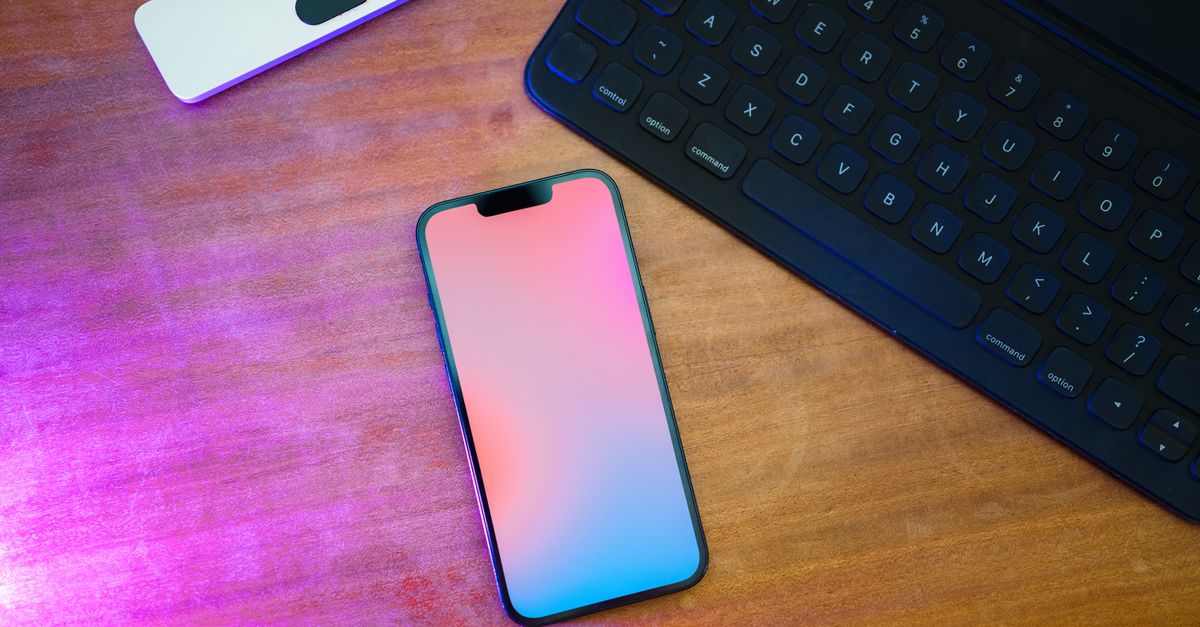
Think about how you use your phone right now. Infinite scroll. Endless feeds. A thousand notifications you never asked for. Every app is designed to keep you there forever, and every algorithm knows you better than your own mother does.
Now think about a Game Boy. One screen. Two buttons. A game that ends when the battery dies.
That's the appeal. Retro tech is finite. It asks something of you. It doesn't demand your attention — you have to give it willingly. There's no cloud, no updates, no ad targeting. Just you and a device that does exactly one thing.
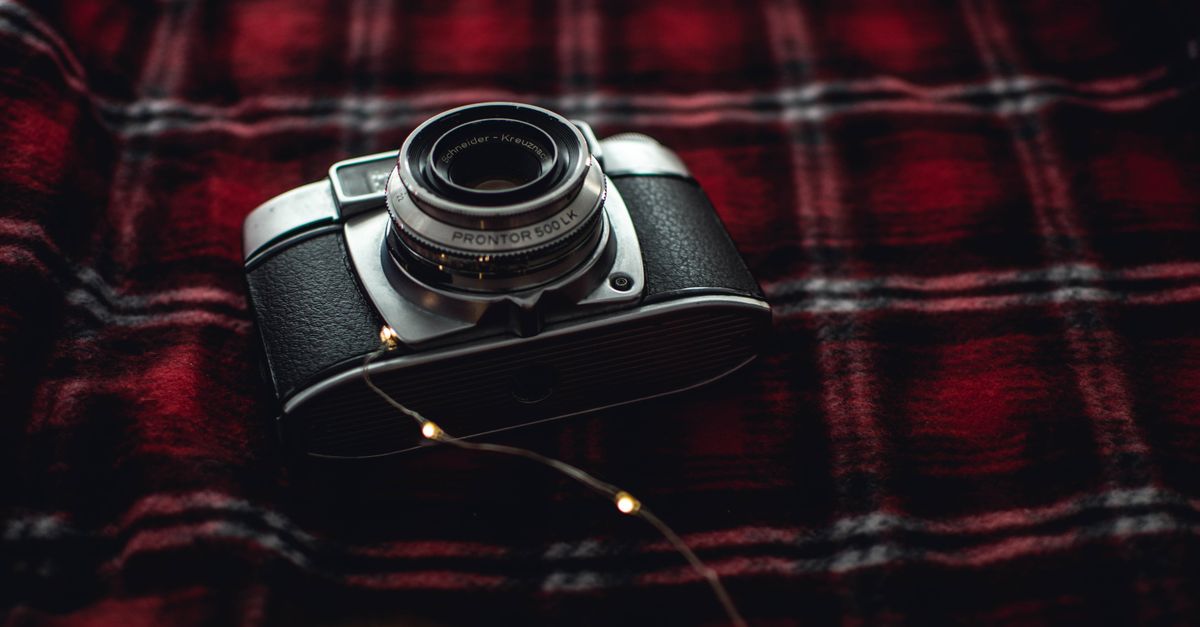
I started using a film camera last year, mostly as a joke. I now own four. Here's why: when I shoot on film, I can't take fifty photos and pick the best one. I get thirty-six shots and I have to think. That constraint feels like freedom now.
The Nostalgia Economy Is Eating Your Feed (And Your Wallet)
Of course, capitalism noticed.
The digital nostalgia wave isn't just a vibe — it's a business model. Brands have figured out that if they slap a pixelated font on a product and call it "retro," we'll buy it without blinking. And we do.
A few things I've watched happen in just the last year:
- Gen Z discovered digital cameras and drove the price of old Canon PowerShots through the roof. Models that were $15 at Goodwill in 2020 now sell for $200 on resale sites.
- Vinyl, cassettes, and even CDs are outselling their mid-2010s numbers. Cassette sales hit their highest point since 2003.
- Y2K fashion — butterfly clips, baby tees, low-rise jeans — is fully back, and this time it's been optimized for TikTok.
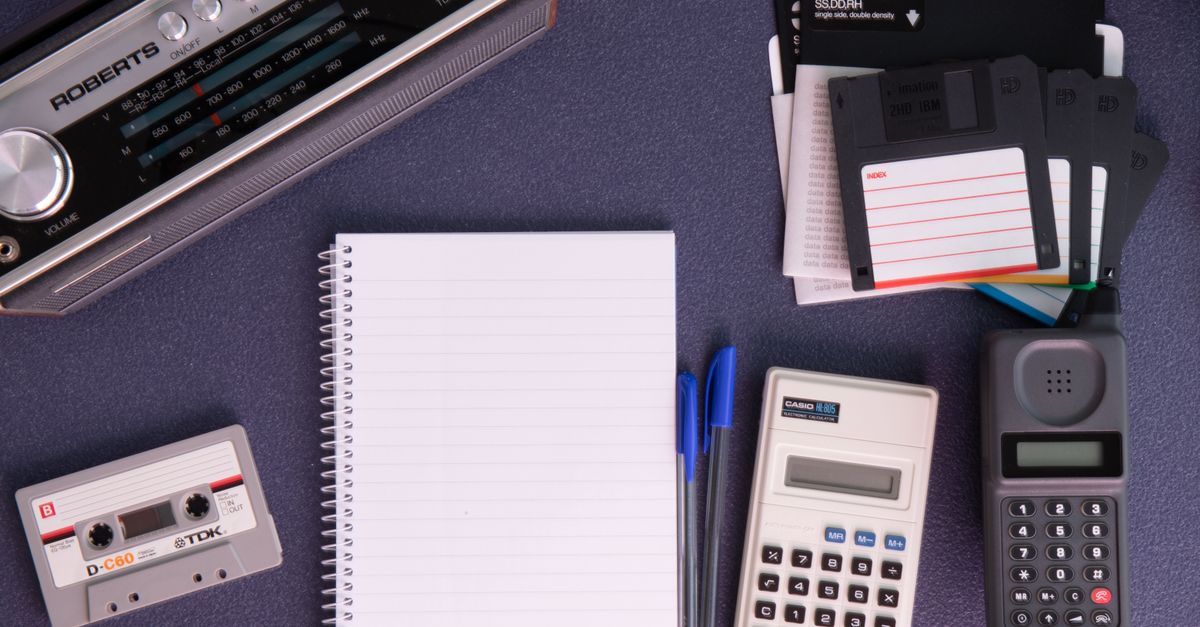
- Old operating systems are being lovingly recreated as aesthetic experiences. There are entire websites that let you "use" Windows 95 for fun.
But you know what? I don't think that makes it fake. It makes it interesting.
The Uncomfortable Truth About Why We're Really Looking Back
Here's where I have to say something that might not be popular.
A lot of the Y2K revival isn't about loving the past. It's about not loving the present.
The early 2000s had problems. Real ones. But culturally, they had something we've lost — a sense that the future was still open. That technology was a toy, not a leash. That being online was something you did, not something you were.
Now we're always online. The future feels less like a playground and more like a deadline. And when the present feels heavy, we do what humans have always done — we reach backward.
The problem is that nostalgia is a painkiller, not a cure. It feels amazing for a minute. Then you realize you're romanticizing a decade when half of us were getting bullied on AIM and the other half couldn't get a cell signal.
So here's my honest take: enjoy the retro tech. Buy the flip phone. Shoot the film. But don't confuse the aesthetic with the era. The past wasn't simpler. You were just younger.
What I'm Actually Doing With All This
I'm not immune to any of this, by the way. I bought a translucent purple Game Boy Color last month. I have a Polaroid camera on my shelf that cost more than my first smartphone. I'm part of the problem and I'm fine with it.
But I've started drawing one line. *I only keep the retro stuff that makes me do something. The film camera makes me slow down. The iPod makes me listen to full albums instead of skipping through playlists. The Game Boy makes me sit in one place for an hour and be bored in a way that feels almost luxurious.
The rest — the aesthetic, the merch, the "Y2K vibes" playlists — that's just decoration. Nice to have. Not the point.
The point is that we're craving something the modern internet doesn't give us anymore: limits, presence, and the feeling that a device belongs to us instead of the other way around.*
So go dig through your parents' garage. Find the old camera. Plug in the dead console. And while you're at it, ask yourself an uncomfortable question.
Are you chasing the past — or are you looking for permission to want a slower, smaller, more human version of the present?
Because I think it's the second one. And I think we all know it.