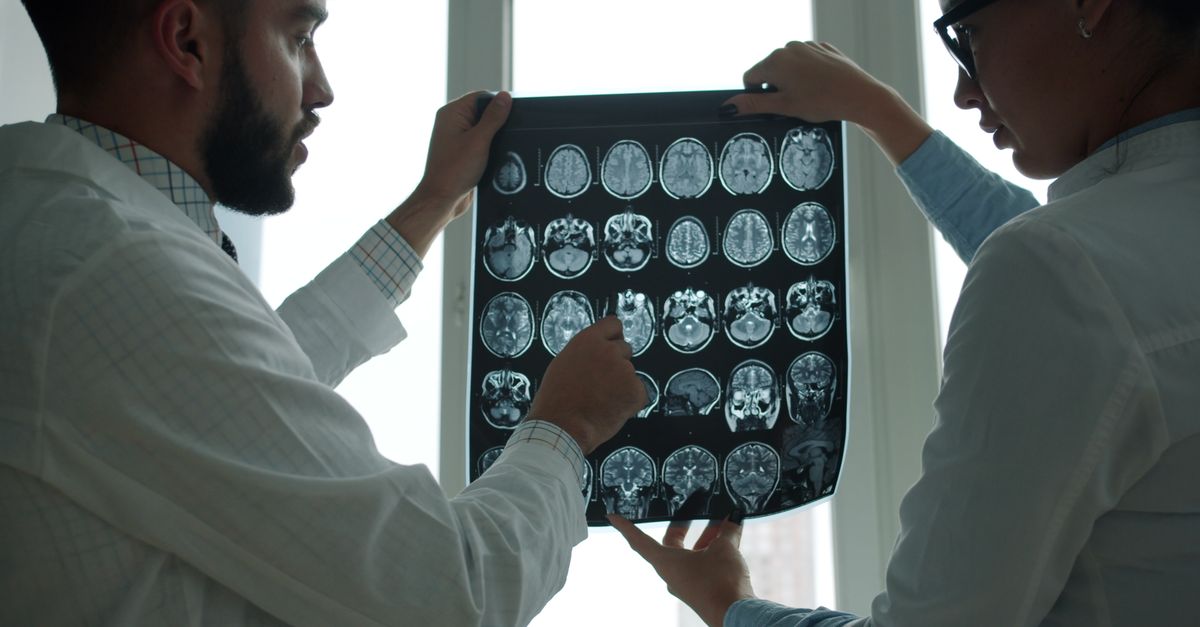
Researchers have implanted human brain tissue into the brains of mice, and the tissue went on to connect with the surrounding mouse brain in a way that has not been observed before, according to Futura, le média qui explore le monde. The outlet reported the development on September 18, 2026. Other French-language outlets, including Le Monde, Courrier international and Fredzone, also covered the work, describing the integration of human brain tissue in mice as unprecedented.
The coverage centers on the idea that mice carrying partly human brain tissue could serve medical research. Courrier international framed the animals as a tool for medicine, while Le Monde described the experiments in terms of human brain cells placed in mouse brains. Futura characterized the outcome as a first of its kind.
The reports sit alongside related work on brain organoids — small, lab-grown clusters of brain cells. One of the linked items, from vidal.fr, concerns the use of complex brain organoids to improve understanding of brain cancers. That item appears in the same news roundup but describes a separate line of research.
The source material does not include the full study, so details such as the number of animals involved, the exact brain region targeted, or how long the tissue was monitored are not available here. What the outlets agree on is the central claim: human tissue placed in a mouse brain did not simply sit there, but formed connections with the host tissue.
What to watch next: whether the research group publishes full results, and how the scientific community assesses the significance of the integration.