My neighbor Gary is 67 years old, owns three pairs of knee braces, and hasn't run a single step since the Clinton administration. Last Saturday I watched him sprint — actually sprint — across a parking lot to claim a court before another couple beat him to it.
The man has a paddle in his car at all times. He checks court availability like other people check the weather. And he's not alone. On a random Tuesday morning, I counted 23 cars at our local park courts. Every single one of them belonged to a pickleball player.
Something happened while we were all busy arguing about whether pickleball is a "real sport." It became one anyway. Quietly, relentlessly, and at a pace that makes fidget spinners look like a slow burn.

From Retirement Communities to Total Domination: The Pickleball Boom Nobody Saw Coming
Let's be honest — if you told me five years ago that pickleball would be the fastest-growing sport in America for the fifth straight year, I would've laughed. It sounded like a gym-class filler activity for people who couldn't handle tennis.
I was wrong. Spectacularly wrong.
According to the Sports & Fitness Industry Association, pickleball participation has exploded past 13 million players in the U.S. alone. Courts are being built at a frantic pace, and municipalities that ignored the demand are now scrambling to convert underused tennis courts just to keep residents from rioting at city council meetings.
Here's what most people miss: this isn't a fad. Fads have a ceiling. Pickleball's growth curve looks less like a trend and more like a hostile takeover.
Why? Because it solved a problem nobody else was solving. It's genuinely fun on day one. You don't need lessons. You don't need to be athletic. You don't need to spend $200 on gear. You show up, someone hands you a paddle, and within twenty minutes you're laughing, sweating, and planning your next game.
Try saying that about golf.
The Secret Nobody Talks About: Pickleball Is a Social Network Disguised as a Sport
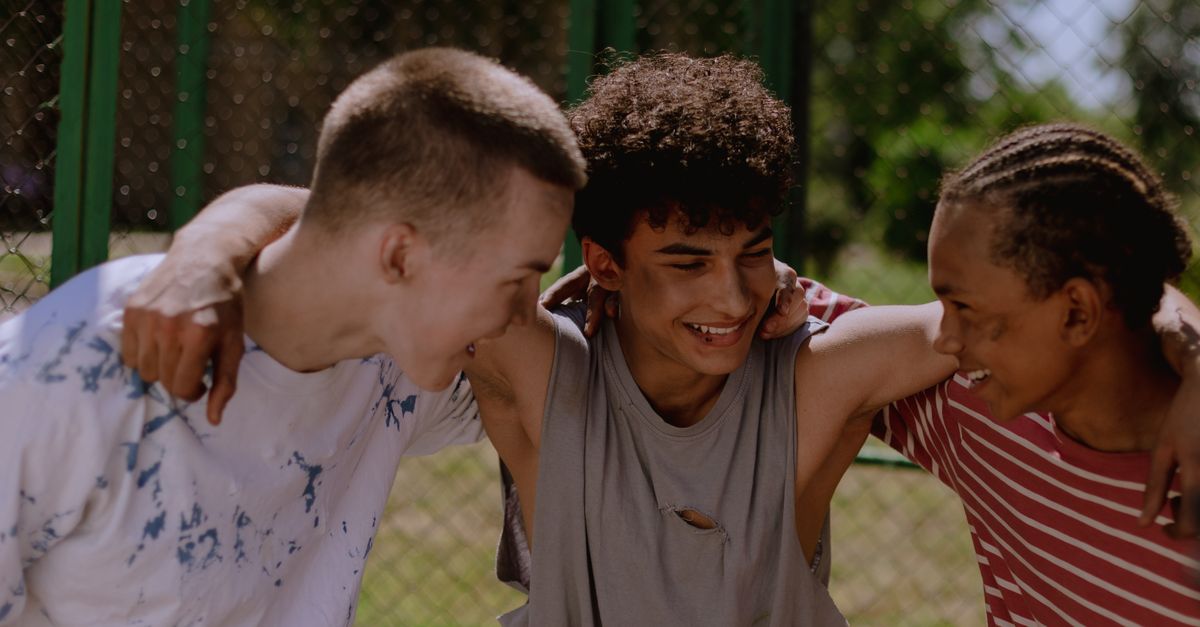
I've found that the real engine behind pickleball's rise has almost nothing to do with the sport itself. It's the community.
Think about it. Gyms are lonely places. You put in earbuds, avoid eye contact, and leave. Running clubs are great until you realize the pace groups are basically social hierarchies on sneakers.
Pickleball? You can't play it alone. It's structurally impossible. Doubles is the default format, and that means every game forces you into conversation with three other humans. You learn names. You learn stories. You learn who brings the good snacks.
Here's a stat that stopped me cold: a 2024 survey found that over 60% of pickleball players say the social aspect is their primary reason for playing — not fitness, not competition. Connection.
In a world where loneliness has become a public health crisis, pickleball accidentally built the antidote. And it costs nothing to join.
Why 2025 Is the Year Pickleball Goes Full Mainstream
If 2020-2024 was the grassroots phase, 2025 is the corporate invasion.
Here's what's happening right now:
- Professional leagues are landing real TV deals. Major networks that once treated pickleball as a novelty are now broadcasting tournaments in prime slots. Prize purses have crossed into seven figures.
- Celebrities are buying teams. From NFL quarterbacks to Hollywood actors, everyone with capital is trying to get a piece of a pro pickleball franchise before valuations get silly.
- Retail is responding. Target, Dick's, and even luxury brands are rolling out pickleball-specific lines. Paddles are becoming fashion statements, which still feels weird to type.
- Real estate is adapting. Developers are designing entire communities around pickleball courts the way they once centered neighborhoods on golf courses.
- Schools are adding it to PE curriculums. Which means the next generation won't even debate whether it's a real sport. They'll just play it.
The Growing Pains Are Real (and Kind of Hilarious)
It's not all smooth paddles and smiles.
The noise complaints are legendary. Pickleball's distinctive "pop" has triggered actual lawsuits. Homeowners near courts have filed grievances, and some cities have imposed sound restrictions that feel like they were written by people who've never heard joy.
Then there's the court wars. Tennis players who ignored their local courts for a decade suddenly became fiercely territorial when pickleball players showed up. I've read forum threads about this that are more heated than political debates.
And yes, injuries happen. Pickleball is low-impact, not no-impact. I know three people who've pulled hamstrings because they forgot they were 50 and tried to channel their inner Serena.
But here's the thing about growing pains — they only happen to things that are growing.
What Most Beginners Get Wrong (and How to Fix It)
If you're thinking about trying pickleball in 2025, let me save you some time.
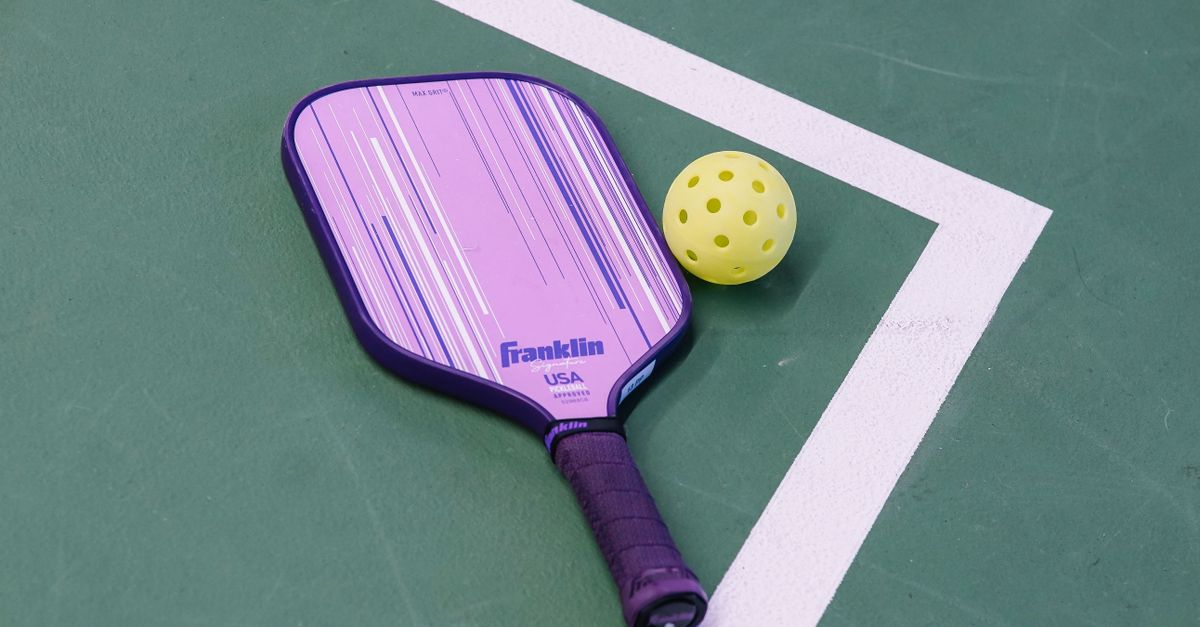
Don't buy expensive gear first. A $20 paddle plays almost identically to a $200 one when you're a beginner. Upgrade later, once you actually know what you like.
Don't skip the warm-up. I'm serious. The stop-and-go nature of pickleball is brutal on cold muscles.
Don't be intimidated by the regulars. Every court has its sharks. But pickleball culture is unusually welcoming — most experienced players genuinely want new people to join because it means more games for everyone.
Do learn the kitchen rules before you show up. The non-volley zone confuses every single beginner, and nothing marks you as a rookie faster than camping in the kitchen.
The Sport That Knew What We Actually Needed
Here's my honest take after watching this phenomenon for years: pickleball didn't win because it's the most athletic sport. It won because it understood something deeper about what people are starving for.
We don't need another sport that demands we be exceptional. We need one that welcomes us as we are — slow knees, bad backs, questionable coordination, all of it. Pickleball says, "Come as you are. Bring a friend. Stay for the potluck."
That's not a gimmick. That's a movement.
So here's my challenge to you: find a court near you this month. Borrow a paddle. Play one game. If you hate it, you've lost an hour. If you love it — and the odds say you will — you've just found your people.
Just don't blame me when you're the one sprinting across a parking lot at 7 a.m.
Gary's already there.