Let me tell you something that keeps me up at night. It's not the economy, it's not the latest political scandal, and it's certainly not whatever drama is trending on social media this week. It's the fact that we are running out of the one thing none of us can live without for more than three days.
Water.
And I'm not talking about some distant, dystopian future where we're all fighting over the last bottle in a Mad Max-style wasteland. I'm talking about right now. 2025. The year we're living in. The year that scientists, researchers, and yes, even the normally cautious United Nations are calling a potential tipping point in the global water crisis.
Stick with me here, because this isn't just another doom-and-gloom environmental piece. This is a story about us — our choices, our innovations, and our chance to flip the script before it's too late.
The Numbers That Should Scare You (But Also Light a Fire)
Here's what most people miss when they hear "water crisis." They picture faraway villages in developing nations, places they'll never visit, people they'll never meet. And while those communities are absolutely on the front lines, the global water crisis is knocking on everyone's door.
Let me hit you with some stats that genuinely stopped me in my tracks:
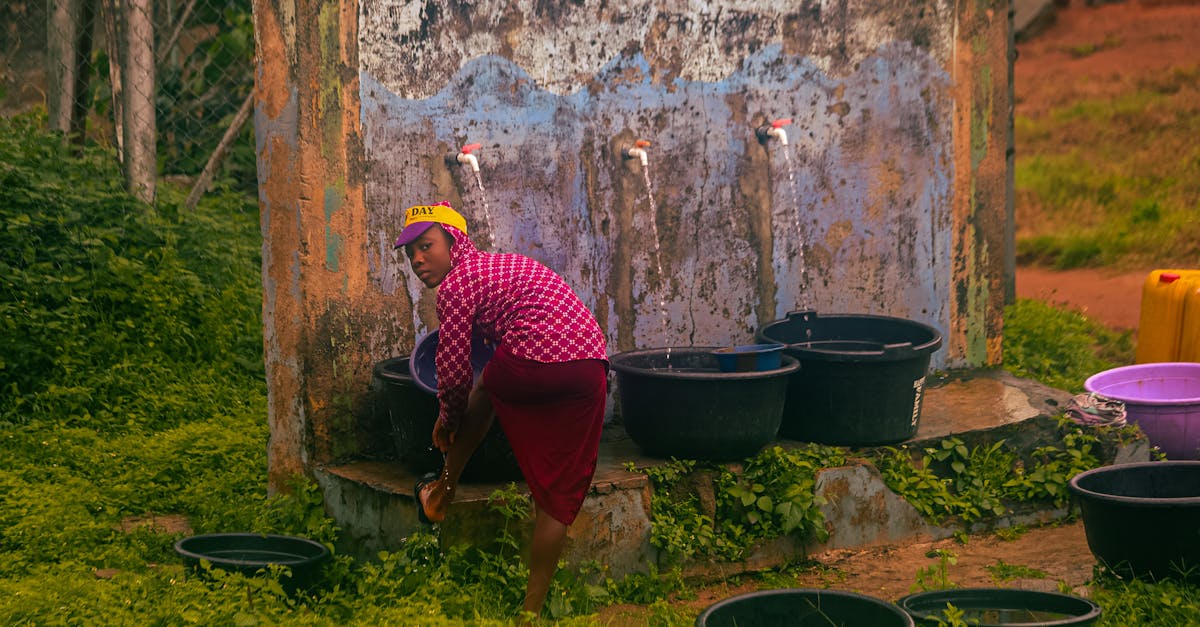
- 2 billion people currently lack access to safely managed drinking water. That's one in four of us.
- Half the world's population experiences severe water scarcity for at least part of the year.
- By 2030, global freshwater demand is projected to outstrip supply by 40%.
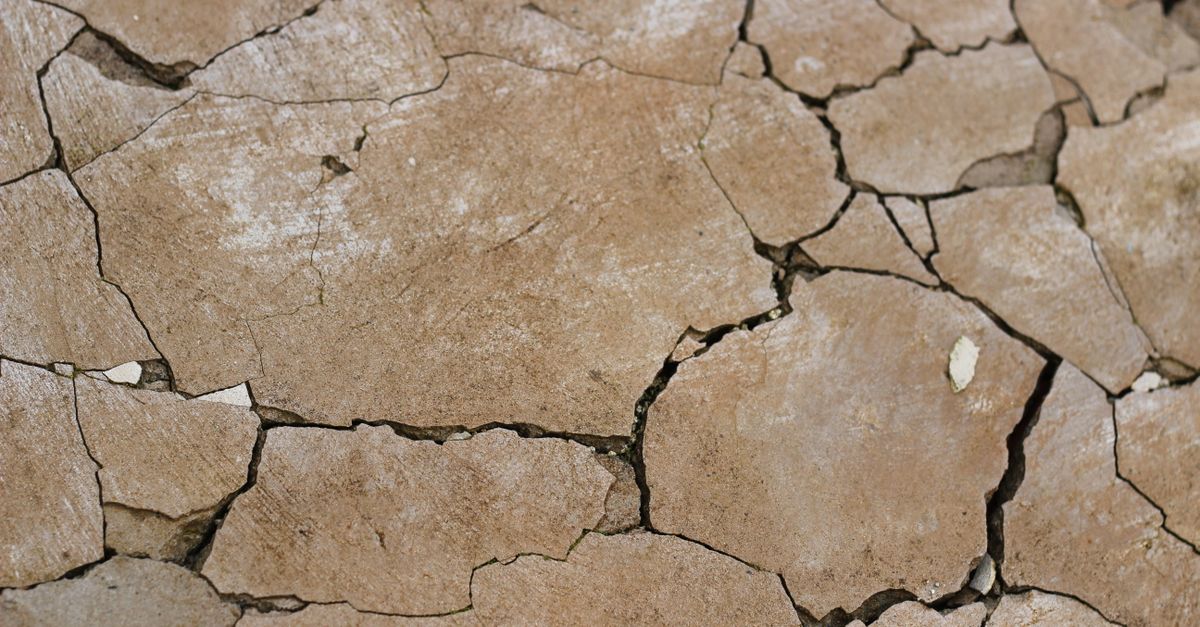
- And here's the kicker — climate change isn't just melting ice caps. It's completely rewriting where and when rain falls, turning fertile regions into dust bowls and flooding others that were once dry.
Why 2025 Specifically? The Perfect Storm Brewing
You might be wondering why I'm pointing at this particular year like it owes me money. Good question. Here's the thing — 2025 isn't just another calendar flip. It's a convergence point.
First, we're seeing the aftermath of the hottest year on record (2024, in case you missed that memo) manifesting in real-time water stress. Reservoirs that were already low? Now they're at historic lows. The Colorado River? Still in a standoff that makes a family Thanksgiving argument look like a polite book club meeting. The Amazon? Parts of it are actually emitting more carbon than they absorb because of drought stress.
Second, global policy frameworks around water are hitting their first major deadlines. The UN's Water Action Decade (2018-2028) is at its midpoint, and the scorecard isn't pretty. Countries committed to integrated water resource management targets — many are lagging badly.
Third, and this is the one that gets me, water is becoming a geopolitical flashpoint. Egypt and Ethiopia have been in a decade-long standoff over the Grand Ethiopian Renaissance Dam on the Nile. India and Pakistan's water-sharing agreements are strained. Even within wealthy nations like the US, states are lawyering up over river rights.
Let's be honest — when water becomes a national security issue, it stops being an environmental problem and becomes something far more dangerous.
The Invisible Thirst: Water You're Not Even Drinking
Here's where things get personal. I want you to think about your morning routine. Coffee? That's about 140 liters of water to grow the beans for one cup. That cotton t-shirt you threw on? 2,700 liters. The burger you grabbed for lunch? Around 2,500 liters to produce.
We're all guzzling water without even realizing it. This is what researchers call "virtual water" — the hidden water footprint embedded in everything we consume, from food to fashion to electronics.
I'm not saying this to guilt-trip you into wearing hemp sacks and eating only lentils. I'm saying it because understanding this changes the game. Efficiency isn't about deprivation — it's about intelligence. When we know where our water actually goes, we can make smarter choices that ripple outward.
And here's the inspiring part: companies are catching on. From drip irrigation that cuts agricultural water use by 40% to desalination plants powered entirely by solar, innovation is happening. It's not happening fast enough, but it's happening.

Five Reasons I'm Still Hopeful (And You Should Be Too)
I know this has been a heavy read. But I promised you inspiration, and I meant it. Because here's the truth: crisis and opportunity are the same coin. Let me flip it for you.
- Technology is leaping forward. AI-driven water management systems are detecting leaks in city pipes that would've gone unnoticed for years. Smart irrigation is saving millions of gallons in agriculture. The tools exist.
- Youth activism is on fire. Greta gets the headlines, but there's a global network of young water warriors — from Flint, Michigan to Cape Town, South Africa — who are demanding accountability and driving real change.
- Nature-based solutions are proving themselves. Wetland restoration, rainwater harvesting, and watershed management are cheap, effective, and scalable. Sometimes the best tech is the one nature already invented.
- The economics are shifting. Water-intensive industries are realizing that efficiency saves money. When sustainability aligns with the bottom line, change accelerates.
- Awareness is at an all-time high. You're reading this, aren't you? That matters. Every conversation, every share, every small choice adds up.
What You Can Actually Do (No, Really)
I'm not going to end this with vague platitudes about "saving the planet." That's not my style, and you deserve better. So here's a practical starting point:
- Fix the leaks. A dripping faucet wastes thousands of liters a year. That's not a drop in the bucket — it is the bucket.
- Eat smarter. Reducing food waste is one of the single biggest water-saving actions you can take. A third of all food produced is wasted — and with it, the water used to grow it.
- Support water-positive brands. Your wallet is a vote. Use it.
- Talk about it. Water scarcity thrives in silence. Break the silence at dinner tables, in group chats, at work.
The global water crisis is real. 2025 is a critical year. But critical doesn't mean hopeless — it means decisive. It means the choices we make now, individually and collectively, will echo for generations.
So, what's it going to be? Because the tap is running, and we can't afford to let it run dry.