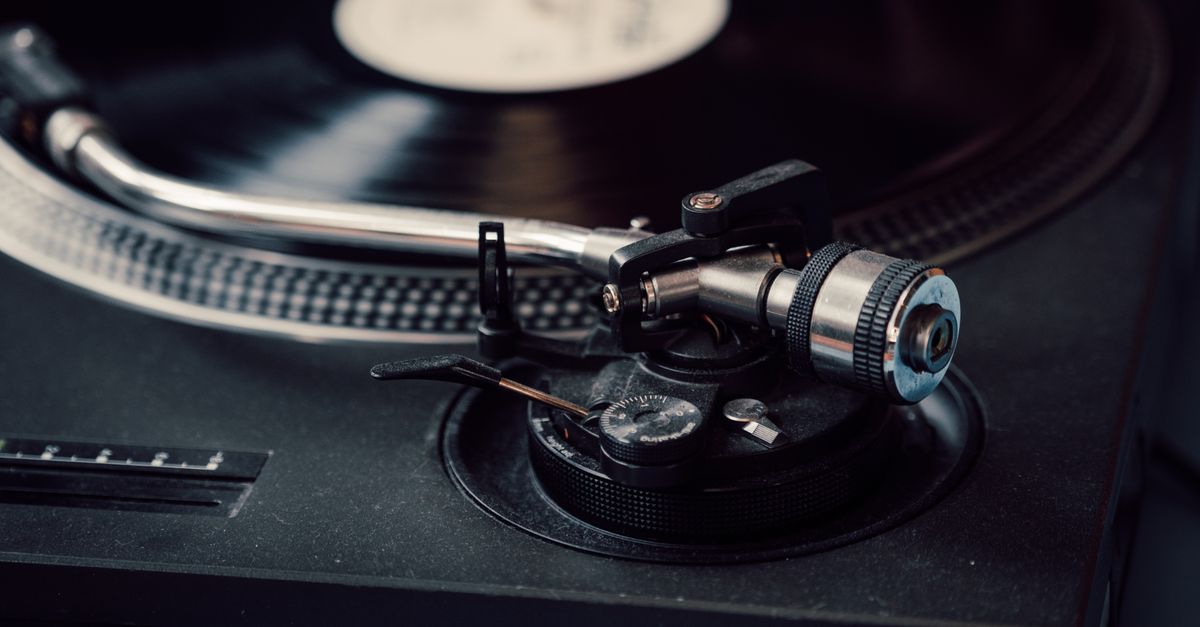
My daughter's friend, Aanya, is seventeen. Last month, she spent her entire Diwali gift money on a single item. Not a phone. Not sneakers. Not concert tickets.
A vinyl record. A 1977 Fleetwood Mac album, to be exact.
Her parents were baffled. "It's just a big, fragile CD," her dad told me, genuinely confused. But Aanya didn't care. She'd saved for weeks, hunted it down at a store two hours away, and now it sits on a turntable in her bedroom — a piece of plastic that costs more than a month of Spotify Premium, sounds objectively "worse" than streaming, and skips if you so much as breathe on it wrong.
And she loves it more than any playlist she's ever made.
Let's be honest: on paper, this makes zero sense. But the numbers don't lie. Gen Z isn't just dabbling in vinyl — they're the ones pushing record sales to historic highs in 2024. So what's actually going on here?
The Numbers That Made the Music Industry Blink
I've been following the vinyl revival for years, and even I was surprised by 2024's figures. Vinyl records outsold CDs for the umpteenth year running, and the format generated more revenue than it has since the late '80s — back when we measured music in cardboard sleeves and rewound cassettes with pencils.
Here's the part that really matters: a huge chunk of those buyers are under 25. This isn't nostalgia. Nostalgia belongs to people my age who remember flipping records at a store. Gen Z wasn't even born when vinyl nearly died. They resurrected it anyway.
Think about that. The generation raised entirely on touchscreens and unlimited streaming decided the future of music might involve physically flipping a disc every twenty minutes. That's not a trend. That's a rebellion.
Why Would Anyone Choose the "Worse" Format?
Let me play devil's advocate for a second, because it's the question everyone asks. Vinyl crackles. It pops. You can't shuffle it. You can't take it to the gym.
So why?
Here's what most people miss — it's not about the sound quality, it's about the sound experience. Streaming gave us everything and made us feel nothing. You tap a song, it plays, you skip it before the chorus. There's no ritual. No weight. No commitment.
Vinyl is the opposite of that. You choose a record. You slide it out of the sleeve. You drop the needle. You sit there and listen — actually listen — because getting up to change the track is a hassle. That friction isn't a bug. It's the entire point.
I've found that when everything is instant, nothing feels valuable. Vinyl forces you to slow down. And for a generation drowning in infinite content, that slowness feels like luxury.
The Aesthetics Are Loud — and That's Fine
Can we talk about the obvious thing? Records look incredible.
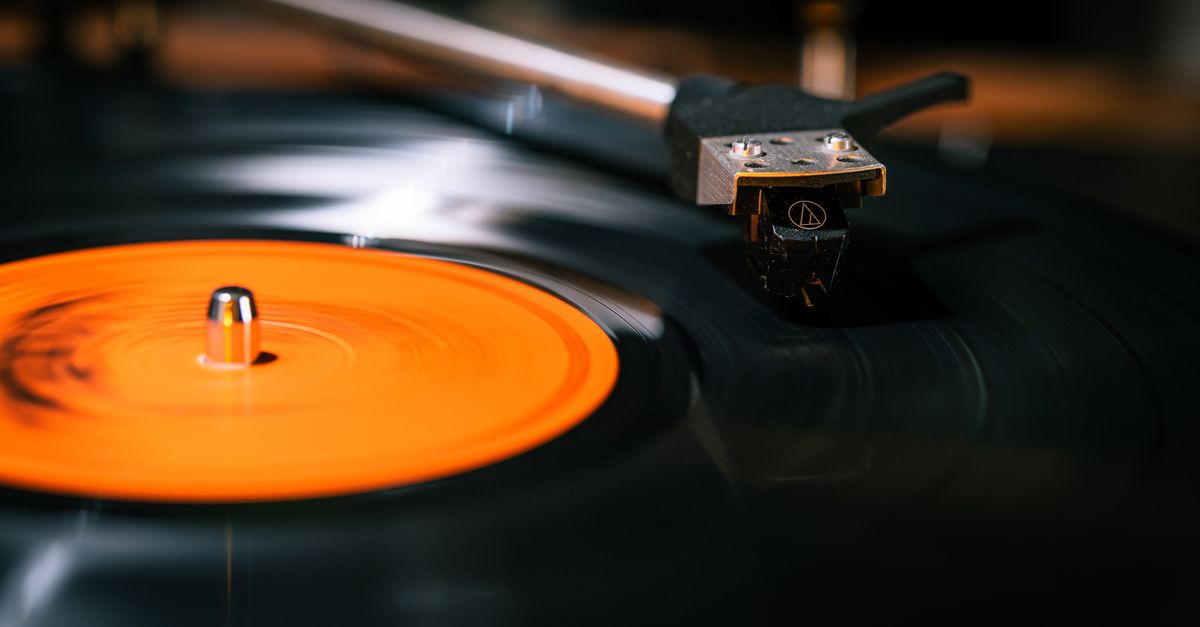
Gen Z grew up with album art the size of a thumbnail. Now they're holding twelve-inch gatefold sleeves with artwork you can frame. The vinyl itself comes in splatter patterns, translucent gradients, colors that practically glow. Artists know this — limited-edition colored pressings sell out in minutes, and fans treat them like collectibles.
Is some of this about Instagram? Sure. A record shelf is a personality statement in a way a Spotify library never will be. But here's my take: caring how your music looks isn't shallow. It's a form of self-expression. We did the same with band posters and mix tapes. Gen Z just has better cameras.
The Real Reasons Behind the Vinyl Boom in 2024
If you strip away the hype, a few genuine forces are driving this. Let me break down what I think actually matters:
- Ownership in an age of subscriptions. Gen Z rents everything — movies, cars, apartments, even clothes. A record is one of the few things they own outright.
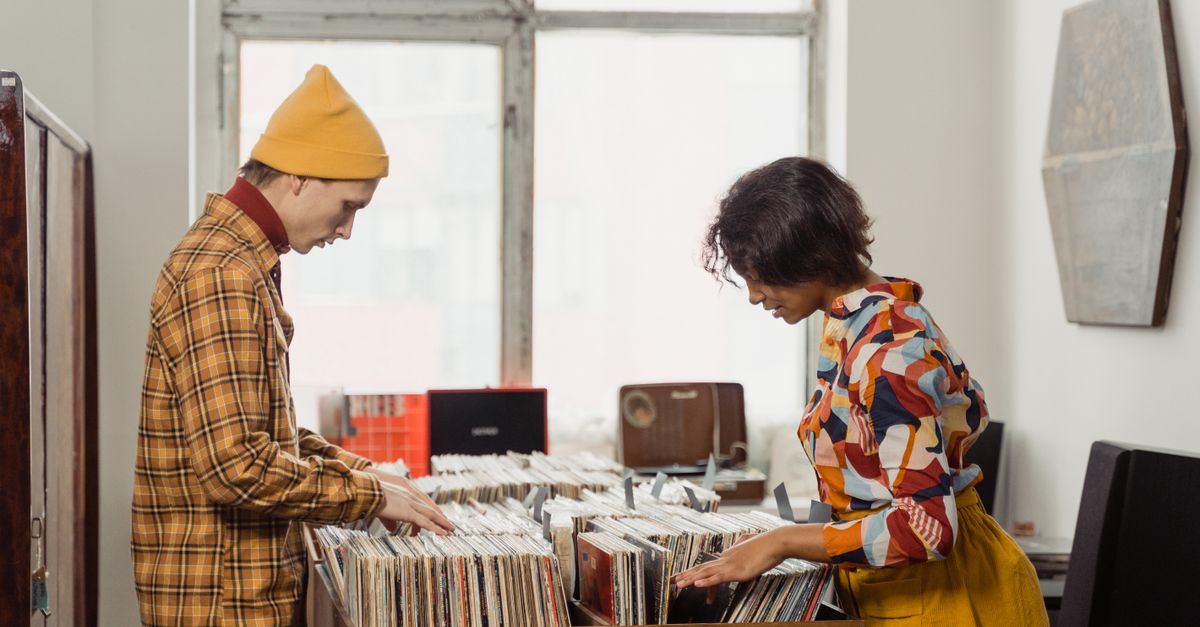
- Community over algorithms. Record stores are social spaces. You talk to people. You get recommendations from humans, not a recommendation engine.
- Artist support that feels real. Buying a record directly supports the musicians a fan loves. It's a vote, not a stream worth fractions of a cent.
- The anti-digital statement. Choosing vinyl says something about your values. Analog over automatic. Deliberate over disposable.
None of these are about nostalgia. They're about now.
What This Means For Artists (And For You)
Here's the surprising twist: vinyl has become a lifeline for musicians. In a world where streaming pays pennies, a tour and a record table can be the difference between a career and a side hustle. Fans know this. That's why they buy.
So whether you're an artist or just a listener, the lesson is the same. In a world engineered for speed, the things we treasure most are the ones that ask something of us. A little patience. A little effort. A little space on the shelf.
Aanya gets it. Her dad still doesn't. But I suspect that by next Diwali, he might be the one hunting down a record of his own.
So here's my challenge to you: go find a record store. Not online — an actual store with dusty crates and a person behind the counter. Flip through a few sleeves. Buy one thing that speaks to you. Take it home. Put your phone in another room.
And then just listen.
You might be surprised what you hear when you're not skipping ahead.