The Conversation reported on Tuesday that bacteria are able to take control of viruses and use them to rearrange their own genetic material. According to the outlet, this process allows the microbes to shuffle their DNA rather than simply being infected or destroyed by the viruses they encounter.
The report describes the relationship as a form of hijacking, in which bacteria turn viral machinery to their own advantage. The Conversation frames the finding around the idea that viruses, often understood mainly as agents of infection, can also serve as tools bacteria use to reorganize genetic information.
The account does not offer further specifics on the organisms involved, the mechanism at work, or where the research was conducted. The Conversation presents the phenomenon as a notable example of how bacteria and viruses interact, and of how genetic material can move and change within bacterial populations.
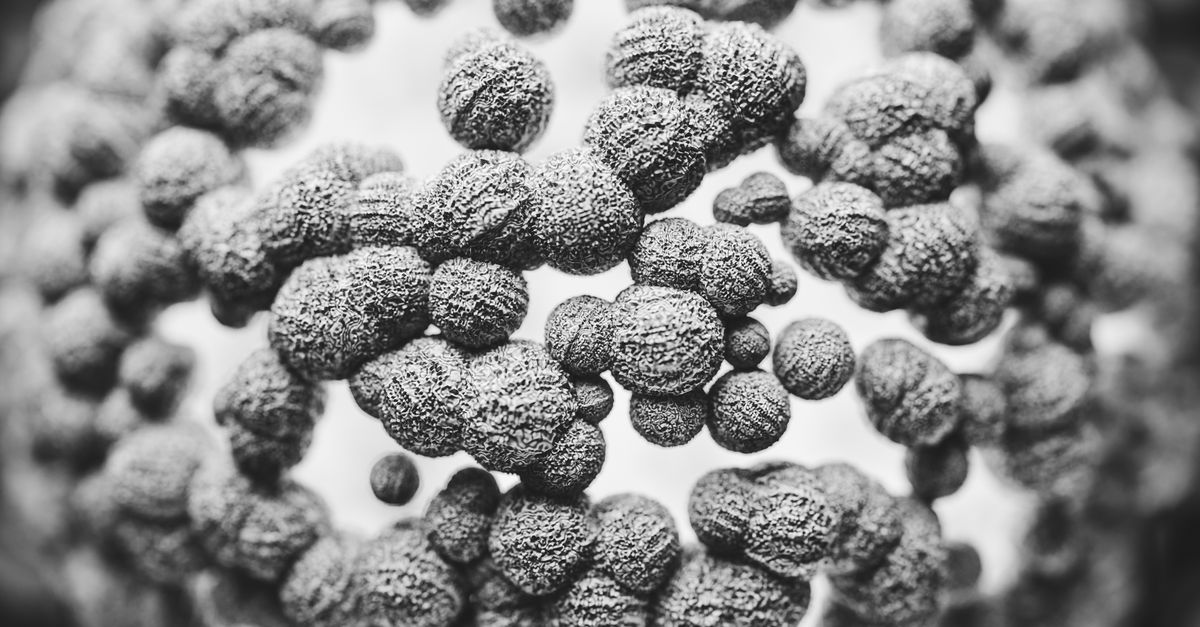
The report adds to a broader picture in which bacteria are understood to acquire and rearrange DNA through their encounters with viruses, rather than only suffering harm from them. That framing places the interaction somewhere between infection and cooperation, with the bacterium emerging as the party that directs the outcome.
What to watch next: further reporting from The Conversation or the underlying study for details on the mechanism, the bacterial species involved, and what the finding could mean for understanding genetic change in microbes.