
I remember the first time I walked into a "music school" that wasn’t what I expected. It was a cramped basement in Brooklyn, walls plastered with peeling posters of jazz legends, and the air smelled like stale coffee and ambition. The teacher, a grizzled saxophonist named Leo, didn’t hand me a syllabus. He handed me a mouthpiece and said, "Play until you forget you’re trying." That was my first real lesson in music education. But here’s the thing: that moment wasn’t about notes or scales. It was about breaking the mold of what a music school is supposed to be.
For most people, the phrase "music school" conjures images of sterile classrooms, metronomes, and kids practicing arpeggios until their fingers bleed. And sure, that exists. But let’s be honest—the real magic happens when you stop treating music like a science and start treating it like a language. I’ve found that the best music schools aren’t the ones with the fanciest pianos or the most prestigious alumni. They’re the ones that teach you how to listen before you learn to play.

The Hidden Curriculum Nobody Talks About
Here’s what most people miss about music schools: the best ones have a hidden curriculum. It’s not written in any brochure, and it sure as hell isn’t on the website. It’s the unspoken rule that mistakes are your best teacher. I’ve been to conservatories where students were terrified of hitting a wrong note. That’s not education—that’s performance anxiety disguised as discipline.
In contrast, the schools that changed my life were the ones where the teacher would stop mid-lesson and say, "What did you feel when you played that chord?" Not "was that the correct fingering?" but "what emotion did it stir?" That’s the secret sauce. Music schools that prioritize emotional intelligence over technical perfection produce artists, not robots.
Let’s break down what that hidden curriculum actually looks like in practice:
- Improvisation over imitation: Instead of just copying recordings, you learn to create in the moment.
- Failure as feedback: A wrong note isn't a mistake; it's a detour to a new melody.
- Collaboration over competition: The best bands aren't made of soloists—they're made of listeners.
- History as context: Knowing why a blues scale sounds sad isn't as important as feeling why it does.
Why Traditional Methods Are Killing Your Creativity
Let’s get controversial for a second. Traditional music schools are often creativity killers. I know, I know—that’s a bold claim. But think about it: how many times have you seen a kid go from loving music to hating it after a year of formal lessons? It’s because we’ve turned music into a checklist. "Learn these scales. Memorize these pieces. Pass this exam." Where’s the soul?
I’ve watched students burn out because they were forced to sight-read classical pieces they had no connection to. Meanwhile, the kid in the garage band who can’t read a note of sheet music is writing songs that go viral. Here’s the truth: music literacy is valuable, but not at the expense of musical instinct.
The schools that get it right are the ones that blend structure with chaos. They teach you the rules so you can break them with purpose. Think of it like learning to cook: you need to know how to chop an onion, but the real magic happens when you add a pinch of something unexpected. Music schools should be test kitchens, not assembly lines.
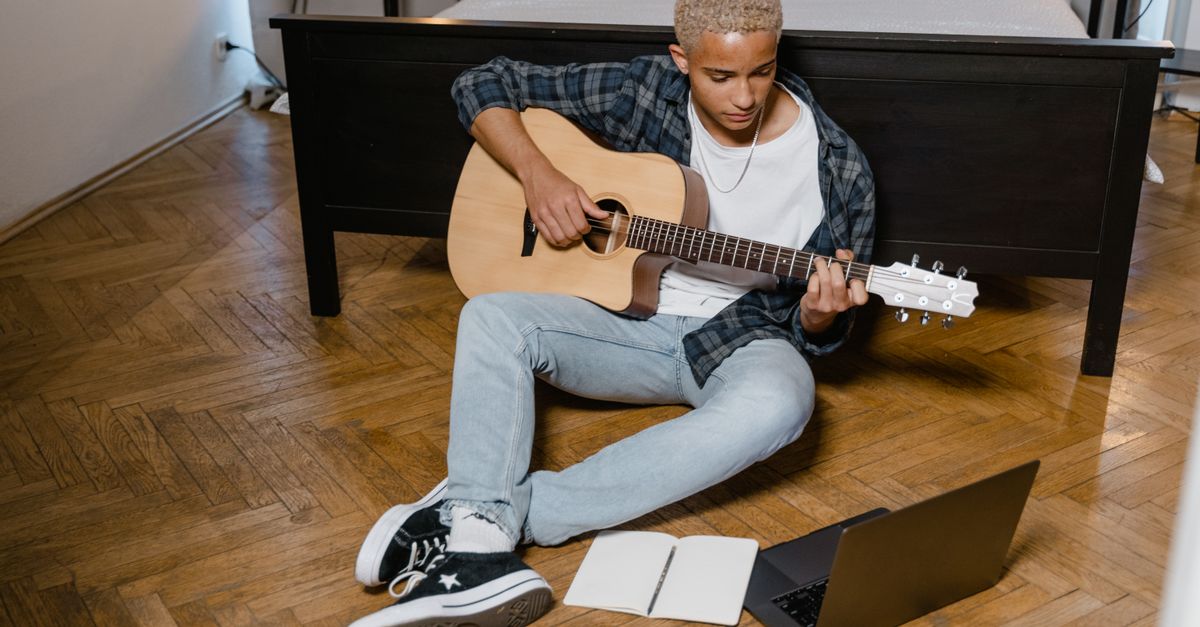
The 3 Types of Music Schools That Actually Work
After years of bouncing between institutions, private lessons, and self-taught phases, I’ve identified three types of music schools that consistently produce passionate, skilled musicians. These aren’t ranked—they’re just different flavors of the same delicious pie.
1. The Apprenticeship Model
This is the closest thing to the old-school master-apprentice setup. One teacher, one student, and a focus on transmission rather than curriculum. The teacher plays, you imitate. Then you play, and they critique. It’s intimate, intense, and incredibly effective for building a deep connection to the instrument. The downside? It’s expensive and relies heavily on the teacher’s personality. If they’re a jerk, you’re stuck.2. The Community School
These are often nonprofit or low-cost programs that emphasize group learning and jam sessions. Think of places like the Old Town School of Folk Music in Chicago or the New Orleans Jazz & Heritage Foundation. The magic here is peer learning. You learn as much from the kid next to you as from the instructor. The catch? You need to be self-motivated. No one’s holding your hand.3. The Hybrid Digital-Physical School
This is the new kid on the block. Schools like School of Rock or online platforms that combine in-person workshops with digital resources. They leverage technology to give you access to masterclasses, backing tracks, and global communities. But here’s the warning: don’t let the screen become a crutch. The best hybrid schools still force you to play with people, not just for a camera.I’ve personally had success with the apprenticeship model for jazz guitar, but I’ve seen friends thrive in community schools for folk music. Your personality and goals matter more than the school’s reputation.
What to Look for in a Music School (The Essentials)
If you’re shopping for a music school—whether for yourself, your kid, or your inner child—here’s what I’d look for. Forget the glossy brochures. Focus on these five things:
- Teacher-student fit: Can you have a conversation with this person? Do they inspire you or intimidate you? Go with inspiration.
- Opportunities to perform: The best lessons happen on stage. Schools that offer regular recitals, open mics, or jam sessions are gold.
- Flexibility in learning style: Do they insist on one method, or do they adapt to how you learn? Red flag if they say "my way or the highway."
- A focus on ear training: If they only teach you to read music, you’re learning a skill, not a language. Ear training is non-negotiable.
- Community vibe: Do students hang out after class? Is there a sense of belonging? Music is social—don’t learn in a vacuum.
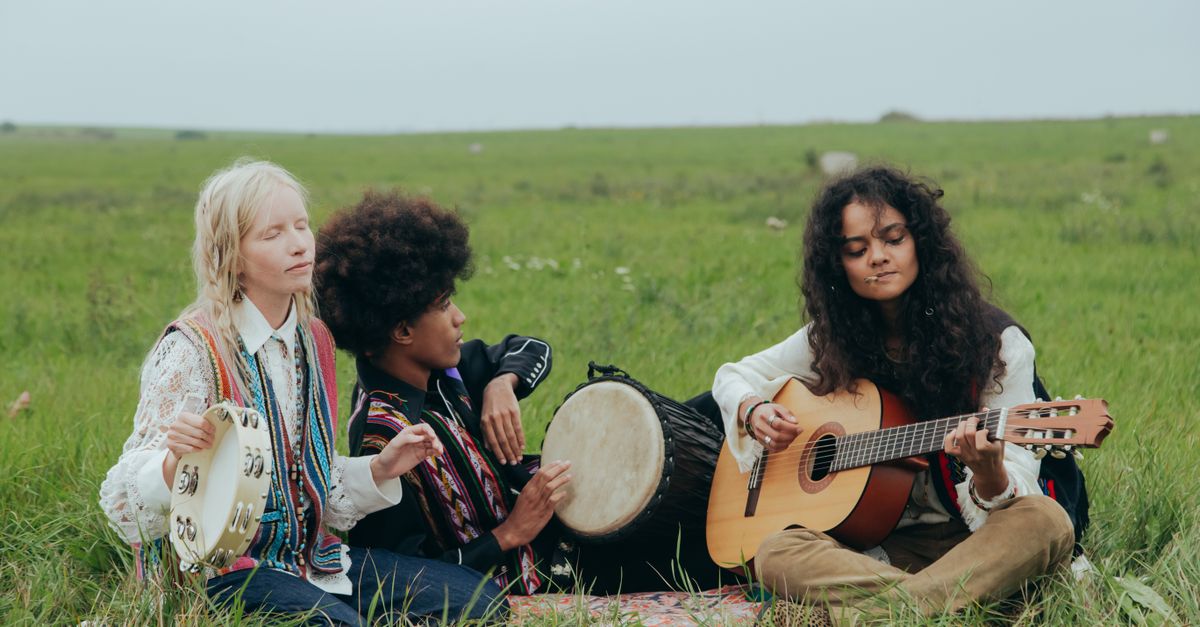
The Future of Music Schools: Why You Should Care
We’re at a strange crossroads. On one hand, YouTube tutorials and apps like Yousician are making music education more accessible than ever. On the other hand, the human element is being stripped away. You can learn to play "Stairway to Heaven" in an afternoon, but can you learn to feel it? That requires a teacher who reads your energy, not just your finger placement.
I believe the future of music schools lies in hybrid models that prioritize human connection. Think weekly in-person jam sessions combined with daily digital practice tools. Think schools that teach you to produce, record, and market your music alongside theory. The days of the isolated musician are over. Music schools need to become creative hubs, not just classrooms.
Here’s a shocking truth: some of the best music schools aren’t even labeled as schools. They’re bars with open mic nights, community centers with free workshops, or even online Discord servers where musicians share feedback. Don’t limit yourself to institutions with "school" in the name. The best education often happens where you least expect it.
So, What’s Your Next Note?
If you’re reading this and thinking, "I should find a school," stop. First, ask yourself: why do I want to learn music? If it’s to impress people, you’ll burn out. If it’s to connect with yourself or others, you’re on the right track. Music schools are tools, not destinations. The best one for you is the one that makes you want to pick up your instrument even when no one’s watching.
I’ll leave you with this: the next time you hear a song that moves you, remember that somewhere, someone taught that artist how to listen before they learned how to play. That’s the gift of a great music school. Now go find yours.