
Okay, let's get one thing straight right off the bat: "food contributor" is one of the most thankless, misunderstood, and shockingly powerful titles in the entire culinary ecosystem. You hear it and you think, "Oh, they just bring a salad to the potluck." You picture someone who shows up with store-bought cookies and calls it a day.
You're wrong. Dead wrong.
I've been on both sides of this equation. I've been the head chef sweating over a stove for twelve hours, and I've been the "contributor" who walked in with a single, perfect dish that stole the entire show. Let me tell you, the dynamics are messy, the politics are real, and the skill it takes to be a good contributor is something most full-time cooks will never master.
The Hidden Hierarchy: Why "Just a Contributor" is a Secret Power Move
Let's be honest: the food world loves its hierarchies. We have the Executive Chef, the Sous Chef, the Line Cook, the Pastry Chef. Everyone has a rank, a domain, a specific knife they're supposed to use. But the contributor? They exist outside the system. They are a wild card.
Here's what most people miss: A great contributor doesn't just add a dish; they change the entire energy of a meal. I've seen a potluck of mediocre casseroles get absolutely saved by one person who brought a vibrant, acidic Thai papaya salad. Suddenly, the heavy, cheesy dishes had a foil. The whole table came alive. That one contributor didn't just add food; they edited the menu. They became the de facto chef of the event, without the title or the stress.
The power of the contributor is that they are accountable to no one but their own dish. They can take risks. A restaurant chef can't suddenly serve a wildly experimental dish on a Tuesday night—they have a menu, a reputation, a supplier contract. But a contributor? They can show up with fermented black bean tacos, a saffron-infused rice pudding, or a wild mushroom foraged from their backyard. They are the culinary free agents, and that freedom is intoxicating.
The Three Types of Contributors (And Which One You Are)
I've categorized every contributor I've ever encountered. Knowing which one you are is the first step to mastering the art.
1. The Reliable Anchor (The Mashed Potato Person) You know this person. They bring the dish everyone expects and needs. The mac and cheese that's always perfectly creamy. The green bean casserole that tastes like your childhood. The seven-layer dip that disappears in fifteen minutes.
- Their superpower: Dependability. They are the foundation of any food gathering.
- Their weakness: They can be boring. They play it too safe.
- My advice: Be the Anchor, but with a twist. Add crispy shallots to that mac and cheese. Use smoked gouda. Be the elevated anchor.
- Their superpower: They expand everyone's palate. They are the memory-makers.
- Their weakness: They can alienate picky eaters. Sometimes their experiments fail spectacularly.
- My advice: Bring one "safe" item alongside your wild card. A simple baguette with your pâté. Plain rice with your kimchi. Give people an off-ramp.
- Their superpower: Visual impact. They make the table look like a celebration.
- Their weakness: Style over substance. I've eaten too many beautiful, flavorless dishes.
- My advice: Taste your food. No one cares about the edible flowers if the dressing is bland.
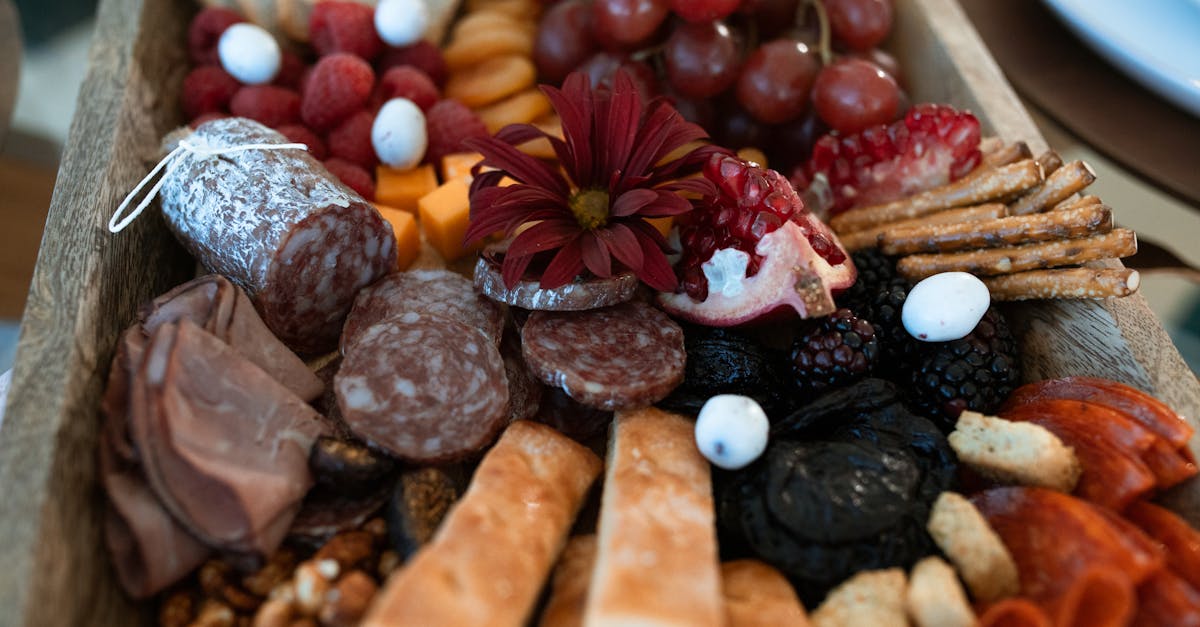
The Unspoken Etiquette: How Not to Be That Person
Here's where most people screw up. You think being a contributor is just about cooking. It's not. It's about social navigation. I've watched friendships fracture over a poorly handled potluck contribution.
Let's lay down some hard rules, shall we?
- The "I'll Bring the Salad" Trap: If you say you're bringing the salad, you are responsible for the entire salad. Not the lettuce. Not the dressing. The whole damn thing. Do not show up with a bag of pre-washed greens and expect someone else to have the croutons and dressing. That is called "being a side character in your own life."
- The Leftover Protocol: If you bring a dish, you are morally obligated to take the empty dish home. I don't care if it's a Pyrex that cost you twenty bucks. Leaving it behind is a power move that says, "I am too important to deal with my own Tupperware." Don't be that person. Also, if your dish is a huge hit and it's mostly gone, you're allowed to leave the empty dish. It's a trophy.
- The Hostile Takeover: Do not, under any circumstances, try to "improve" the host's cooking. If the host makes a dry turkey, smile and say, "The cranberry sauce really complements it." You are a guest first and a contributor second. Your job is to add, not to critique.
Why Your "Signature Dish" is Holding You Back
I see this all the time. People get locked into their one famous recipe. "Oh, you're the one who brings the amazing brownies!" Great. You're the brownie person. You'll be the brownie person until you die.
Here's the secret: The best contributors are shapeshifters.
I've found that the most memorable food experiences come from people who are constantly evolving. One year, they're known for their chili. The next, they're the person who introduced everyone to the magic of a well-made shakshuka. They don't have a signature dish; they have a signature approach—curiosity, generosity, and a willingness to experiment.
Don't be afraid to fail publicly. I once brought a "deconstructed" key lime pie to a party that was, and I say this with full humility, a disaster. It looked like a science experiment gone wrong. But you know what? People remembered it. They laughed about it. And next time, they were genuinely excited to see what I'd bring. Perfection is boring. A flawed, ambitious dish is a story.

The Ultimate Contributor's Playbook: 7 Secrets from a Former Skeptic
I used to think being a contributor was the minor leagues. I thought you had to be a chef to be taken seriously. I was an idiot. Here's what I've learned.
- The One-Tool Rule: Your best tool is your palate. Not your chef's knife, not your Dutch oven. Taste everything. Taste your dish cold. Taste it hot. Taste the components separately. A contributor who tastes is a contributor who succeeds.
- Temperature is Everything: A cold dish served cold is a delight. A hot dish served lukewarm is a tragedy. Plan your logistics. If you're bringing a hot dish, think about how you'll keep it hot. A slow cooker, a pre-heated oven at the venue, or a well-insulated bag are your best friends.
- The Acid Test: Most home cooks under-season and under-acidify. A squeeze of lemon, a splash of vinegar, a pinch of salt—these are your secret weapons. If your dish feels flat, add acid. It's the single easiest upgrade you can make.
- Don't Be a Hero: You don't have to make everything from scratch. Store-bought puff pastry is a gift from the culinary gods. Good quality jarred tomato sauce can be a base for something brilliant. The shame is not in using shortcuts; it's in pretending you didn't.
- The Portion Paradox: Always bring more than you think you need. Running out of food is a failure. The only exception is if you're bringing something incredibly rich or spicy. One perfect bite of a dark chocolate truffle is better than a whole tray of mediocre cookies.
- The Card is a Power Move: Write down the ingredients. Especially if there are common allergens (nuts, dairy, gluten). It's not just polite; it's a signal that you are a serious person who thinks about other people. It instantly elevates you from "person who brought food" to "person who brought thoughtful food."
- The Final Secret: Be Generous With Your Recipe. If someone asks for your recipe, give it to them freely. Don't hoard it. Don't make it a mystery. The best contributors are the ones who spread joy, not the ones who cling to secrets. I've given away my "famous" pumpkin soup recipe so many times that it's no longer mine. And that's the point. It's about the community, not the credit.
The Beautiful, Messy Truth About Feeding People
So here's the thing. The next time you get invited to a gathering and you're assigned as a "contributor," don't sigh. Don't roll your eyes. See it for what it is: an invitation to be a co-creator of a shared memory.
You are not just bringing a dish. You are bringing a conversation starter. You are bringing a potential new favorite food for someone. You are bringing a moment of comfort, of surprise, of pure, unadulterated deliciousness.
Forget the chef's coat. Forget the Michelin stars. The real culinary heroes are the ones who show up, dish in hand, ready to edit the menu, elevate the table, and make the whole thing work. That's you. That's the power of the contributor.
So go on. What are you bringing to the next party? Make it count.