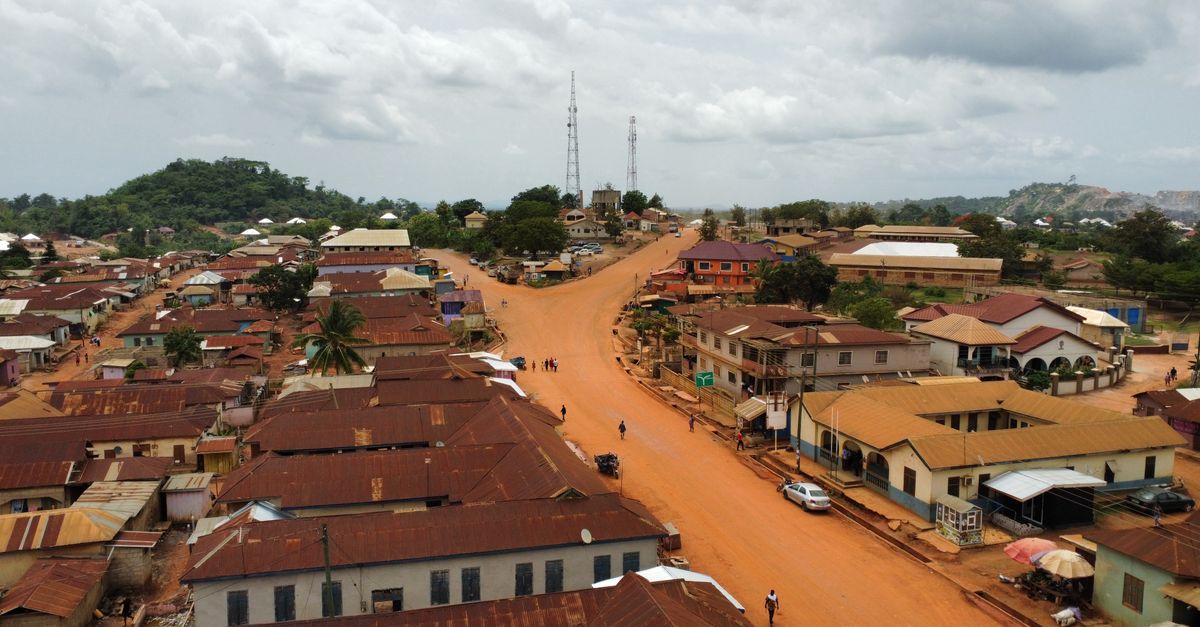
Let me tell you something most travel blogs won’t admit: the Volta Region of Ghana isn’t just a place to visit — it’s an investment. Not the kind where you check stock prices, but the kind where you bet on experiences that compound into memories, stories, and maybe even a side hustle. I’ve been traveling here for years, and I’ve watched people overlook this region like it’s just a pit stop on the way to somewhere else. Big mistake. Huge.
If you’re reading this, you’re probably someone who values smart spending — whether that’s on flights, lodging, or time. And let’s be honest: time is the most finite currency we have. So why waste it on generic beach resorts when you can sink your resources into a place that actually pays dividends? I’m talking about the Volta Region, where every cedi spent feels like a down payment on something real.
Here’s what most people miss: the Volta Region is a financial paradox. It’s dirt cheap to explore, yet it offers world-class experiences. But the real secret? It’s also a hotspot for economic opportunities — from eco-lodges to local crafts to agro-tourism. You’re not just spending money here; you’re plugging into a system that rewards curious travelers. So grab your notepad — or your Notes app — because I’m about to break down the hidden economics of this place.
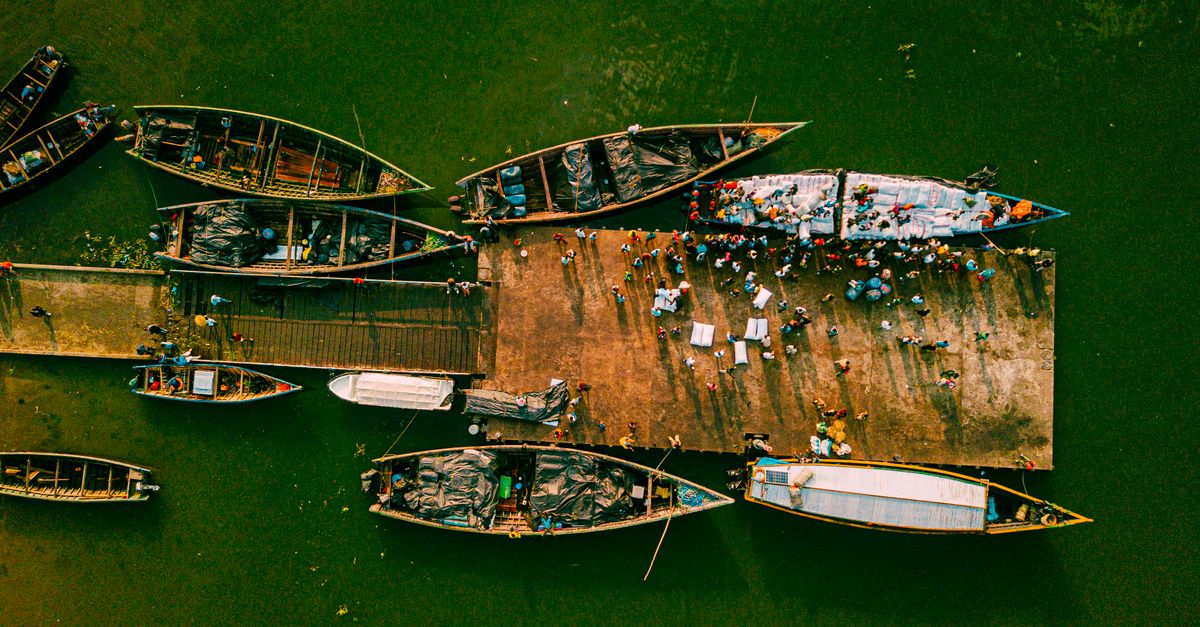
The 3 Things Nobody Tells You About Budgeting in Volta
Let me save you from the mistake I made on my first trip: I overplanned my budget for accommodation and underplanned for everything else. Here’s the truth — you can sleep well in Volta for $20 a night at a guesthouse that feels like a boutique hotel. But you’ll blow your budget on transportation if you’re not strategic.
I’ve found that the real cost driver is getting from one spot to another. The Volta Region stretches from the coast up to the mountains, and those winding roads add up. A trotro ride from Ho to Wli Falls might cost 10 cedis, but if you hire a private car for the day? That’s 200 cedis gone before lunch. Pro tip: group up with other travelers or negotiate multi-day rates.
Here’s the breakdown most people miss:
- Lodging: $15-$50/night. Eco-lodges near waterfalls are a steal — book direct, not through OTAs.
- Food: $3-$8/meal. Skip the tourist traps near the falls. Eat where locals eat — the fufu is better and your wallet will thank you.
- Activities: Most hiking and waterfall entry fees are under $5. The real splurge? Boat trips on Lake Volta — but you can haggle.
The Secret Economy of Volta’s Waterfalls
You’ve heard of Wli Falls — the highest in West Africa. But here’s the financial angle nobody talks about: these waterfalls are community-owned. That means your entry fee goes directly into local projects, not some corporate account. I’ve seen the receipts: schools, clinics, and even micro-loan programs for women farmers.
But there’s a hidden cost that catches tourists off guard: the guides. You don’t have to hire one, but I’d argue it’s the best value for money in the region. A guide costs about 50 cedis for a half-day hike, and they’ll show you things you’d miss on your own — like the bat caves behind the falls or the medicinal plants along the trail.
Here’s what I learned the hard way: the waterfalls are a lesson in opportunity cost. You can spend 4 hours at Wli and feel like you’ve seen everything. Or you can spend 2 full days hiking the Agumatsa Trail and discover smaller, untouched falls that feel like your own private paradise. The second option costs less per hour and delivers more value. That’s the kind of math that matters.
Numbered list of waterfall costs (real talk):
- Wli Lower Falls: Entry ~10 cedis, guide optional.
- Wli Upper Falls: More challenging hike, guide recommended (~20 cedis extra).
- Tagbo Falls: Nearer to the Togo border, less crowded, entry ~5 cedis.
- The hidden gems: Ask your guide about “the third waterfall” — locals know.
How to Invest Your Time (and Money) in the Volta Region
Let’s talk about opportunity cost in travel. Every hour you spend in a hotel lobby is an hour you could be at a cocoa farm or a pottery workshop. I’ve found that Volta’s real value lies in its micro-economies — the small-scale industries that fuel local life.
Agro-tourism is the unsung hero here. You can spend a morning at a cassava processing center and see how gari is made, or visit a palm oil press in a village near Kpando. These aren’t tourist traps — they’re working businesses that welcome curious visitors. What’s the cost? Usually just a tip or a small donation. The return? A deep understanding of how Ghana’s rural economy hums along.
But here’s where it gets interesting: you can actually buy directly from producers. That basket of fresh mangoes? 5 cedis. That jar of local honey? 15 cedis. You’re cutting out the middleman and putting money directly into farmers’ pockets. That’s not just ethical — it’s smart economics because the quality is unbeatable.
I’ve noticed that travelers who engage with these micro-economies often come away with business ideas. I met a guy from Germany who started importing shea butter from a women’s cooperative he discovered near Ho. That’s the kind of return on investment you don’t get from a resort pool.
The 3-Day Budget That Actually Works
Stop me if you’ve heard this: “I’ll just wing it and see where the road takes me.” That works in some places, but in Volta, a loose plan is a leaky budget. Here’s a 3-day itinerary that I’ve tested personally — and my wallet survived.
Day 1: Ho to Wli
- Morning: Arrive in Ho, grab breakfast at a local chop bar (~10 cedis).
- Late morning: Hire a shared taxi to Wli (~30 cedis per person).
- Afternoon: Hike Wli Lower Falls, hire a guide (~50 cedis).
- Dinner: Eat at the guesthouse (~20 cedis).
- Lodging: Eco-lodge near the falls (~40 cedis).
- Total: ~150 cedis (about $12 USD).
- Morning: Breakfast at lodge (~10 cedis).
- Midday: Hire a car to Hohoe (~50 cedis).
- Afternoon: Visit Tafi Atome Monkey Sanctuary (~20 cedis entry).
- Evening: Explore Hohoe market, buy snacks (~15 cedis).
- Lodging: Budget guesthouse (~30 cedis).
- Total: ~125 cedis.
- Morning: Tro-tro to Akosombo (~40 cedis).
- Afternoon: Boat cruise on Lake Volta (~100 cedis, negotiable).
- Dinner: Street food near the dam (~15 cedis).
- Total: ~155 cedis.
Why You Should Never Skip the Local Markets
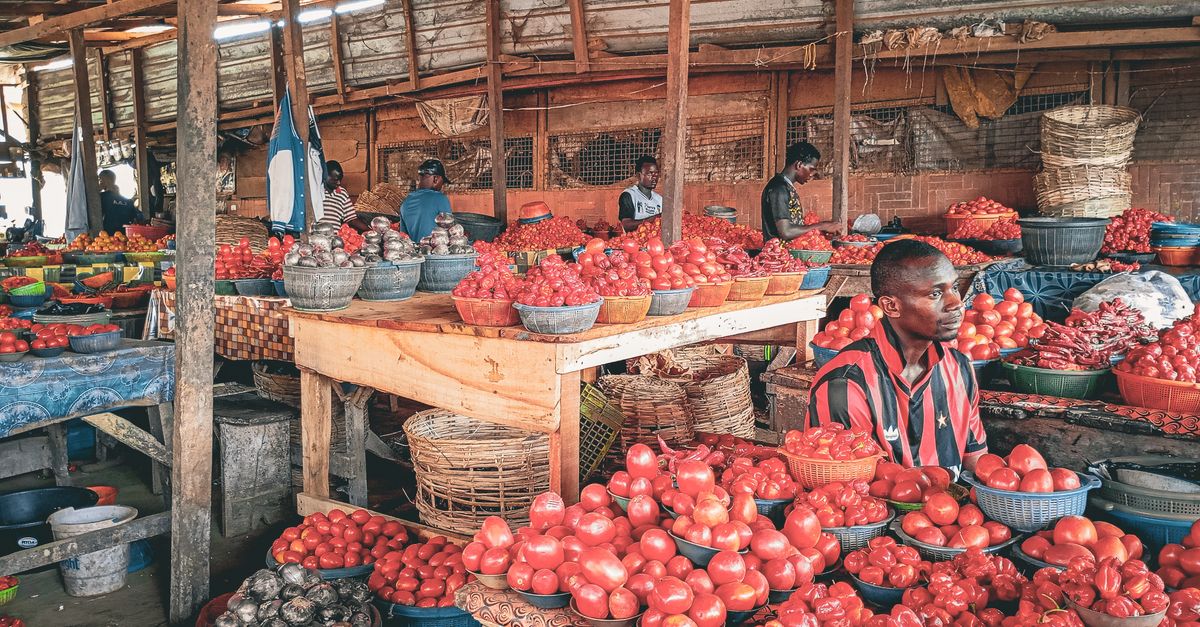
I’m going to say something controversial: the best currency exchange in Volta isn’t at a bank — it’s at the market. I’ve found that bartering is still alive and well in villages like Kpetoe and Akatsi. You can trade a T-shirt for a handwoven basket. Or swap a few chocolates for fresh pineapples.
The financial lesson here is about value perception. What’s worthless to you might be gold to someone else. I once traded a $5 flashlight for a wooden stool that would cost $50 in Accra. That’s a 900% return on investment — try getting that from a savings account.
But here’s the real secret: the markets are where you learn about the region’s economy. Chat with the women selling smoked fish. They’ll tell you about the price of fuel, the health of Lake Volta’s fish stocks, and which villages are doing well. That intel is worth more than any guidebook.
If you’re a finance-minded traveler, spend 2 hours just observing. Watch how prices fluctuate based on the time of day, the seller’s mood, and the buyer’s persistence. It’s a masterclass in microeconomics.
The Hidden Cost of “Peaceful” Travel
Let’s get real about one thing: Volta is marketed as “peaceful” — and it is. But that peace comes with a hidden cost that nobody warns you about: the temptation to stay forever. I’ve seen it happen. People come for a weekend and end up renting a room for a month.
Why? Because the cost of living is dangerously low. A furnished apartment near the lake can run you $100 a month. Fresh food is next to nothing. And the slow pace of life? It’s addictive. But here’s the catch: if you’re working remotely, the internet can be spotty outside of Ho. That’s a cost you can’t ignore.
I’ve learned that the best financial move in Volta is to set a hard budget for “just in case” days. Give yourself 20% extra for spontaneous adventures — like that boat trip to an island village you didn’t plan for. Because the real cost of overplanning is missing out on the unexpected.
The Final Currency
Here’s what I want you to walk away with: the Volta Region isn’t just a travel destination — it’s a financial lesson in value. You can spend $1,000 on a fancy resort in another country and get a generic experience. Or you can spend $200 in Volta and get stories, skills, and connections that pay dividends for years.
I’ve found that the people who complain about Volta being “boring” are usually the ones who didn’t dig deep enough. They stayed on the main road. They didn’t haggle at the market. They didn’t hire a guide who became a friend. The ROI in Volta depends entirely on how much you’re willing to invest in curiosity.
So here’s my challenge to you: next time you plan a trip, run the numbers like a CFO. Calculate the cost per experience. Ask yourself if that hotel room is really worth more than a night under the stars near a waterfall. And if you end up in Volta? Buy that extra basket at the market. It might just be the best investment you make all year.
Now go pack your bags — and your calculator.