
Let me tell you something: you probably haven't made a truly conscious decision in the last three hours.
Think about it. You woke up, grabbed your phone, checked notifications, poured coffee, scrolled through social media, maybe brushed your teeth while staring blankly at a wall. None of that required real thought. Your daily habits run on autopilot, and that autopilot is a sneaky, powerful beast.
I've spent years obsessing over why we do what we do. Not from some dusty psychology textbook — but from real life. I've tracked my own behaviors, failed at breaking bad habits more times than I'd like to admit, and stumbled onto some uncomfortable truths about human nature. Here's the kicker: most people think habits are about willpower. They're wrong. Habits are about psychology, not discipline.
Let me show you what's actually driving your daily routines, and more importantly, how to hijack that system for real change.
The Brain's Dirty Little Secret: Why You're Not in Control
Here's what most people miss: your brain is lazy. Not in a bad way — it's efficient. Your prefrontal cortex (the "thinking" part) consumes massive energy. So your brain offloads repetitive tasks to the basal ganglia, a primitive region that runs on autopilot. This is why you can drive home on a familiar route and arrive with zero memory of the journey.
I've found that understanding this changes everything. When you beat yourself up for scrolling Instagram again, you're blaming a part of your brain that literally wasn't "you" making that choice. The habit loop — cue, routine, reward — is hardwired. Your morning coffee cue might be opening your eyes. The routine is brewing, sipping, scrolling. The reward is a dopamine hit from caffeine and social validation.
But here's the hidden layer: your habits aren't just actions. They're emotional regulation strategies.
Ever notice how you reach for a snack when stressed, even if you're not hungry? Or check your phone when you feel awkward in a conversation? Those aren't random. Your brain learned that these behaviors temporarily soothe discomfort. The habit isn't about the action — it's about avoiding a feeling.
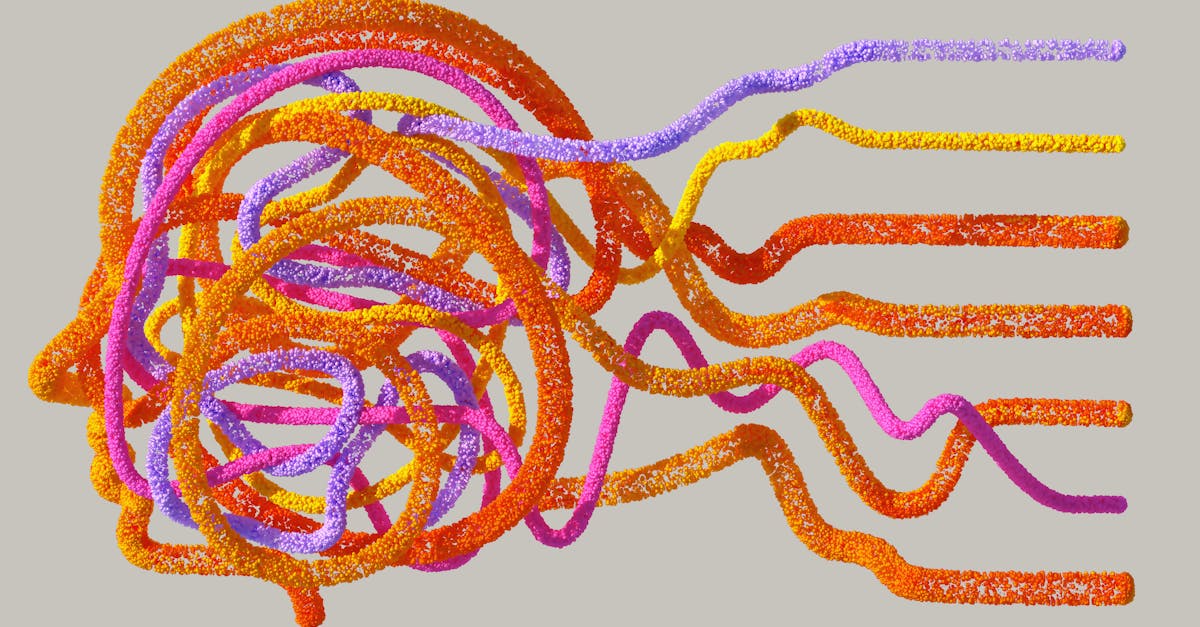
The Dopamine Trap: Why You're Addicted to Your Own Chemistry
Let's be honest — you're not addicted to your phone. You're addicted to the anticipation of a dopamine hit. Dopamine isn't released when you get a like on your post. It's released when you expect a like. This is a critical distinction.
I once went cold turkey on social media for 30 days. Day three was brutal. I felt phantom buzzes in my pocket. My hand would unconsciously reach for my phone during meetings. My brain was throwing a tantrum because I'd broken its dopamine prediction model.
Here's the science: every time you check your email and see something interesting, your brain encodes "checking email = reward." Soon, just the thought of checking email triggers dopamine. You're not checking for a specific message — you're chasing the possibility of one. This is why slot machines are so addictive: variable rewards are more potent than predictable ones.
If you want to change a habit, you have to understand what reward you're actually chasing. Most people fail because they try to remove the behavior without replacing the reward. Good luck surviving that dopamine withdrawal.
The Identity Shift: The Only Way Habits Actually Stick
I've tried every habit tracker, every morning routine, every "21 days to a new you" program. They all failed — until I stopped focusing on the behavior and started focusing on who I believed I was.
Here's the truth: you won't stick to a habit if it conflicts with your identity. If you secretly believe "I'm not a morning person," no amount of alarm clocks will fix that. If you think "I'm just not disciplined," every failed attempt will reinforce that story.
The breakthrough came when I shifted from "I want to exercise" to "I am someone who moves their body daily." The first is a goal. The second is an identity. Goals give you temporary motivation. Identity gives you permanent behavior.
Try this exercise right now:
- Write down a habit you want to build
- Write down the opposite — the identity that person has
- Ask yourself: "What would that person do right now?"

The Environmental Hack: Stop Blaming Yourself, Fix Your Space
Here's what most people miss: willpower is not a skill. It's a resource that depletes. You have a finite amount of self-control each day, and every decision you make — what to eat, whether to reply to that email, which shirt to wear — chips away at it.
I've found the most effective way to change habits isn't to fight yourself. It's to design your environment so the right choice is the easy choice.
Want to stop eating junk food? Don't buy it. Want to exercise in the morning? Sleep in your workout clothes. Want to read more? Put your phone in another room and leave a book on your pillow.
This sounds obvious, but nobody does it. We keep junk food in the pantry and then wonder why we eat it at 10 PM. We keep our phone on the nightstand and then blame ourselves for scrolling before sleep. Your environment is more powerful than your willpower.
I removed all social media apps from my phone. Not because I lack discipline — but because I know my brain will default to the easiest option. Make the bad habit hard and the good habit frictionless. It's not cheating. It's being smart.
The 2-Minute Rule: How to Trick Your Lazy Brain
Here's the thing about big habits: your brain hates them. "Write a novel" sounds overwhelming. "Run a marathon" triggers instant resistance. But "write one sentence" or "put on your running shoes" — that's manageable.
The 2-Minute Rule is my secret weapon. Every habit you want to build should start with a version that takes less than two minutes. Want to meditate? Sit for 60 seconds. Want to journal? Write three sentences. Want to start a business? Send one email.
The magic isn't the two minutes — it's the momentum. Once you start, it's much easier to continue. The hardest part is always the beginning. By lowering the barrier to entry, you bypass your brain's resistance system.
I started writing this article by committing to "open my laptop and type one sentence." That was it. Three hours later, here we are. Your brain is designed to avoid discomfort. Give it no reason to resist.

The Truth About Failure: Why You Should Expect to Slip
Let's be real: you will fail. Maybe tomorrow, maybe next week. You'll skip your workout, eat the cookie, scroll for an hour. And that's fine.
The difference between people who change and people who don't is not perfection. It's how they respond to failure. Most people think "I messed up, so I'm a failure" and give up entirely. The successful ones think "I messed up, so I'll do better tomorrow."
I've missed days. I've fallen off the wagon spectacularly. But here's what I learned: missing one day doesn't erase your progress. Missing two days in a row does. The key is to never let a slip become a slide. Get back on immediately.
Your identity as "someone who exercises" doesn't disappear because you skipped one workout. It's only gone when you decide it is. Don't let a mistake define you. Let your response to that mistake define you.
Final Thought: You Are Not Your Habits
Here's the uncomfortable truth: your habits are just patterns your brain learned to survive. They're not who you are. They're not your destiny. They're not even your real preferences half the time. They're just automatic responses to cues your environment throws at you.
But here's the beautiful part: you can rewrite those patterns. Not by fighting yourself, but by understanding yourself. By designing your environment. By shifting your identity. By starting absurdly small.
I've seen people completely transform their lives — not through massive willpower, but through tiny, consistent shifts. The guy who started walking for five minutes a day and now runs marathons. The woman who wrote one sentence daily and now has a published book. The person who didn't think they could change — and then did.
You have that power too. The question is: what habit will you rewrite today?
Start with one. Two minutes. That's all it takes to begin.