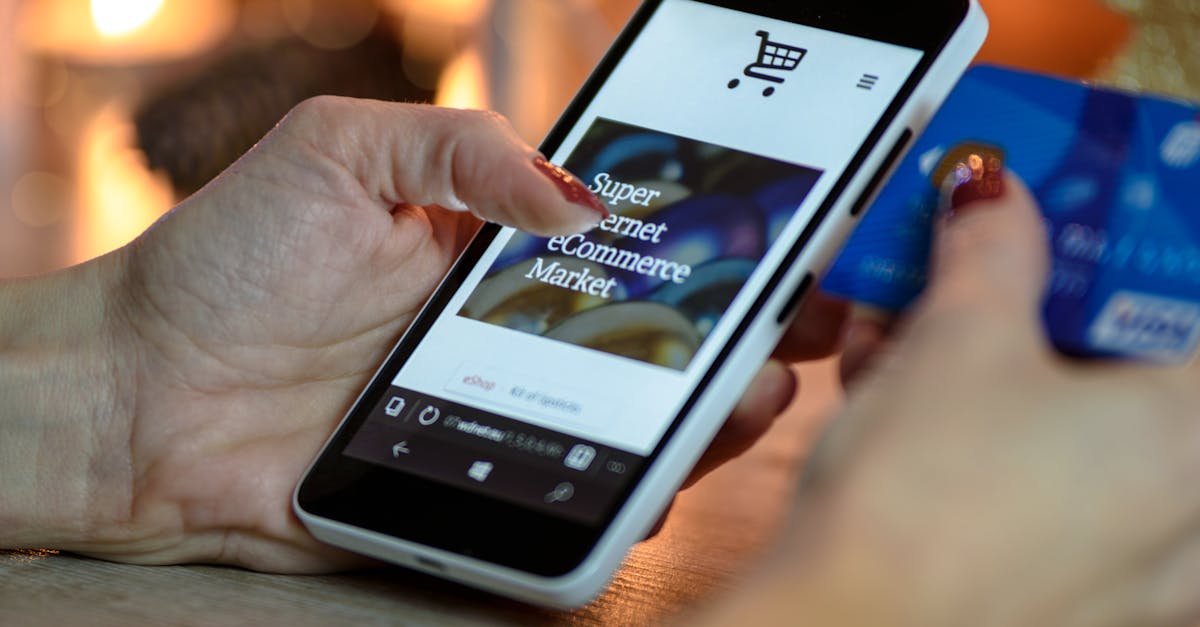
I almost missed the opportunity that changed my life.
It was 3 AM, I was doom-scrolling through Twitter, and a tweet from someone I’d never met stopped me cold: “If you have a phone and an opinion, you have an e-commerce business. Stop pretending you don’t.” I laughed, almost kept scrolling, but something made me pause. That tweet was sitting at 47 likes. But the replies? People were raging. They were arguing about how “e-commerce is dead,” how “the market is oversaturated,” how “you need $10k to start.”
I remember thinking: Are we living in the same world?
Because the reality is, we’re standing at the edge of the biggest cultural shift in how people buy and sell things since the invention of the shopping mall. And most people are too busy arguing about drop-shipping drama to see it. So let’s cut the noise. I’m Kelechi Ani, and I’ve spent the last five years watching the e-commerce space evolve from a side-hustle playground into a full-blown cultural battleground. Here’s what I’ve found: the real e-commerce opportunities aren’t in products. They’re in culture.

The “Dead Market” Lie Everyone Believes
Let’s address the elephant in the room. You’ve heard it a million times: “E-commerce is saturated.” “Amazon owns everything.” “You can’t compete without a million-dollar ad budget.”
I call this the comfort lie.
Here’s the truth: e-commerce isn’t dead. It’s just matured. And maturity looks different from the gold-rush days of 2015 when you could throw a cheap phone case on Shopify and make rent in a week. That era is gone. Good riddance. What replaced it is something far more interesting: a culture-first economy.
Think about what’s actually happening right now. TikTok Shop did over $11 billion in sales last year. Temu exploded from nowhere to become a household name. Instagram’s Shop tab is basically a digital mall now. But here’s what most people miss — the products aren’t what’s driving these platforms. It’s the cultural moments. It’s the “TikTok made me buy it” hashtag. It’s the “I saw it on your story” impulse buy. It’s the feeling of being in on something before everyone else.
The opportunity isn’t in selling a generic water bottle. The opportunity is in selling the water bottle that everyone in a specific subculture is talking about.
I’ve seen this play out in real time. A friend of mine started selling hand-poured candles that smell like “old bookstores” — but he didn’t target “people who like candles.” He targeted booktok creators on TikTok. He sent them free candles, they made videos about “the smell of your favorite novel,” and within three months, he was doing $40k a month in revenue. The product was the same as a candle from Target. The culture was different.
That’s the real e-commerce opportunity in 2025: sell to the tribe, not the market.

The 3 Hidden Goldmines Nobody Talks About
I’m going to share three specific e-commerce opportunities I’ve seen explode in the last year. These aren’t “start a t-shirt brand” generic advice. These are culture-first niches that are growing like crazy.
1. The “Third Space” Physical Products
You know how everyone’s talking about the loneliness epidemic? How people are desperate for community? That’s created a massive opportunity for products that facilitate offline connection.
I’m talking about:
- Board game subscription boxes that come with conversation starters
- Cooking kits designed for two people to make together
- Analog social experiences — vinyl records with listening party guides, Polaroid cameras with “memory journals,” even physical pen-pal kits
2. Niche “Aesthetic Repair”
Here’s something wild: repair culture is becoming cool again.
I’ve watched YouTube channels about watchmaking get millions of views. Car detailing videos have become ASMR-level satisfying. The “visible mending” movement (where you fix clothes but make the repair part of the aesthetic) is massive on Pinterest.
The e-commerce opportunity? Sell the tools and kits for these specific repair cultures. Not generic “repair kits” — but hyper-specific ones. A “Japanese denim repair kit” with sashiko thread and instructions. A “vintage camera restoration starter pack.” A “leather watch strap DIY kit.”
The margins on these are insane because the customers are obsessed. They’re not price-sensitive. They’re hunting for authenticity. And if you can position yourself as the gateway into their niche subculture, you’ve got a customer for life.
3. The “Anti-Trend” Trend
Here’s a paradox I love: the trend right now is to avoid trends.
Fast fashion is dying. “Micro-trends” on TikTok are exhausting people. There’s a growing cultural pushback against “buy this because everyone else is.” This has created a massive opening for:
- “Slow products” — items that are designed to last, with transparent supply chains
- “Boring aesthetics” — think “grandpa core,” “normcore 2.0,” “corporate goth”
- “Anti-fragile” goods — products that get better with age (patina, wear, character)
Why Your “Culture” Is Your Best Product
This is where I get personal. When I started my first e-commerce store, I made every mistake in the book. I tried to sell “universal appeal” products. I targeted “everyone.” I used stock photos. I wrote generic descriptions. I wondered why nobody cared.
Then I stopped trying to be a businessperson and started being a fan.
I’m a huge sneakerhead. I know the culture. I know the language. I know what makes a collector’s heart beat faster. So when I finally launched a store selling sneaker cleaning kits, I didn’t target “people who wear sneakers.” I targeted sneakerheads — people who call them “kicks,” who have “grails,” who use “DS” as a verb. I wrote product descriptions that referenced specific colorways. I made videos showing how to clean ultra-rare Jordans without damaging the suede.
It worked. Not because the product was revolutionary — it was literally soap and brushes. It worked because I spoke the culture.
Here’s what most people miss: culture is the new SEO. When you embed yourself in a subculture, you don’t need to fight for keywords. You don’t need to outspend competitors. You just need to be inside the conversation. When someone in the “mushroom foraging” community searches for “best mushroom identification kit,” they’re not looking for a generic product. They’re looking for their kit — one that understands the difference between a chanterelle and a false chanterelle.
If you sell that kit, and you talk about spore prints and mycelium networks, you win. Not because your product is better. Because you are part of their culture.
The One Question You Must Ask Before Starting
Before you buy a domain, before you source products, before you design a logo — ask yourself this one question:
“Would the people in this culture talk about my product at their gathering?”
Let that sink in.
If your product wouldn’t spark a conversation at a dinner party, a Discord server, a subreddit, or a meetup — you’re just selling a commodity. You’re competing on price. You’re fighting with Amazon. You’re going to be miserable.
But if your product is something that people would show their friend — “Hey, look at this cool thing I found” — you’ve got something.
I’ve bought so many things in the last year that I didn’t need:
- A brass keychain that doubles as a bottle opener (I don’t drink beer)
- A wooden puzzle that takes 40 hours to solve (I hate puzzles)
- A coffee mug that looks like a vintage camera lens (I drink tea)
The Bottom Line (No Fluff)
Here’s where I land after years of watching this space: the biggest e-commerce opportunity right now isn’t in finding the next “winning product.” It’s not in AI-generated ads or TikTok dropshipping hacks. It’s in becoming a cultural insider.
Find a community that you genuinely love. Learn their language. Understand their pain points. Then create a product that feels like it was made for them — because it was.
The market isn’t saturated. It’s just full of people selling things to nobody in particular. Be the person selling to somebody.
I’ll leave you with this: every culture has a gap. Every subculture has an unmet need. Every tribe has a product they’re desperate for but don’t know exists yet. Your job isn’t to “disrupt” anything. Your job is to listen.
Now go find your tribe.