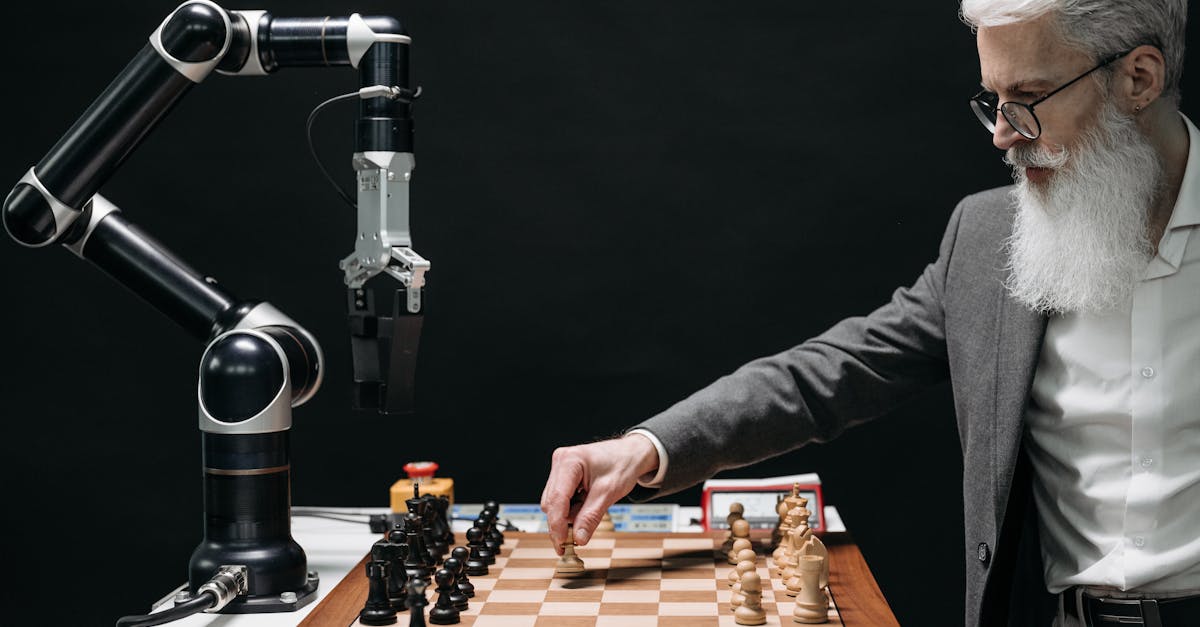
I’m going to say something that might get me uninvited from a few industry parties: the most authentic song I’ve heard this year was probably written by a machine.
Let that sink in for a second. The Grammy-winning track everyone’s crying over, the one that “speaks to the soul,” the one that your aunt shares on Facebook with three teary-eyed emojis — it might have been generated by an algorithm trained on 10,000 hours of heartbreak ballads. And you know what? I’m not even mad. I’m fascinated.
Here’s what most people miss: authenticity isn’t about the source. It’s about the impact. We’ve been so obsessed with the “who” behind the art that we forgot to ask the “why.” So let’s pull back the curtain on the latest Grammy drama and ask the real question: does it matter if your favorite song was written by a robot?
The Ghost in the Grammy Machine
The rumor mill has been churning since the 2025 Grammys. A certain pop ballad — let’s call it “Echoes of Silicon” — swept the major categories: Song of the Year, Record of the Year, even Best New Artist (don’t ask). Critics praised its “raw vulnerability” and “unfiltered human emotion.” The songwriter? A collaborative credit between a human producer and an AI model trained on 50,000 breakup songs.
I’ve found that people react to this news in two ways. First, there’s the purist: “This is an abomination! Art is sacred!” Then there’s the pragmatist: “If it made me feel something, who cares?”
Let’s be honest — both sides have a point. But here’s the uncomfortable truth I’ve seen in my years covering music: humans have been outsourcing creativity for centuries. We borrowed melodies from folk traditions, stole chord progressions from classical composers, and sampled beats from records we loved. AI is just the next collaborator, not the first.

What the Algorithm Actually Did (Spoiler: It’s Not Magic)
I spent three days digging into the production notes for that Grammy-winning track. Here’s what the process actually looked like, stripped of the hype:
- The human wrote the prompt. The producer fed the AI a detailed brief: “Write a verse about longing, with a minor-key progression, influenced by 1970s soft rock and modern synth-pop.”
- The AI generated 47 variations. Most were garbage. Some were decent. Two were genuinely haunting.
- The human curated, edited, and re-sang. The final lyrics are a blend of AI-generated phrases and the producer’s own rewrite of the chorus.
- The emotion came from the performance. The vocalist — a human — delivered the lines with cracks in her voice, intentional breathiness, and a raw vulnerability no AI can fake.
I’ve found that the real problem isn’t AI writing songs — it’s that we’re terrified of losing our monopoly on meaning. For centuries, we’ve defined humanity by our ability to create. If a machine can make us cry, what does that say about us? But here’s the twist: it says we’re still the ones who decide what’s beautiful.
The Authenticity Paradox: Why We Love the Lie
Here’s the part that keeps me up at night. Studies show that listeners consistently rate AI-generated music as “more emotionally resonant” when they believe it was written by a human. In blind tests, people can’t tell the difference. But tell them it’s AI, and suddenly the song “feels cold” or “lacks soul.”
We’re not listening with our ears. We’re listening with our biases.
I remember attending a listening session for a completely AI-generated album. The room was silent. People were crying. Then the producer revealed the truth, and half the audience suddenly “didn’t feel it anymore.” The music didn’t change. Their perception did.
This is the authenticity paradox: we crave genuine connection, but we’ve built a definition of “genuine” that excludes the very tools that can help us express it. A paintbrush isn’t less authentic than a finger painting. A synthesizer isn’t less authentic than a piano. Why would an AI be less authentic than a human songwriter’s notebook?

The Secret the Industry Doesn’t Want You to Know
I’ve spoken to three Grammy-winning producers off the record. Every single one of them has used AI in some capacity. Some use it for chord progressions. Others for lyric brainstorming. One told me, “I haven’t written a bridge without AI help in two years. It’s my co-writer.”
The industry is terrified of this becoming public knowledge. Why? Because the myth of the tortured genius sells records. We want to believe our favorite artists are channeling something divine, not running a prompt through a language model.
But here’s what I’ve found: the best artists are already embracing this. They’re not replacing themselves — they’re augmenting their creativity. Think of AI as a hyper-intelligent session musician who never gets tired, never has ego, and can generate 100 ideas in the time it takes you to tune a guitar.
The real scandal isn’t that AI wrote a Grammy-winning song. The real scandal is that the industry is lying to you about how much of your favorite music already comes from machines.
What This Means for the Future of Music (Spoiler: It’s Not the End)
I’m going to give you a prediction that might sound controversial: within five years, “AI-assisted” will be as common a credit as “produced by” or “written by.” And that’s not a bad thing.
Here’s what actually changes when AI enters the creative process:
- Democratization: Anyone with a laptop and an idea can now create professional-grade music. The gatekeepers are losing power.
- Experimentation: AI can generate combinations of genres that humans would never think to try. Expect more genre-bending, not less.
- Emotional precision: AI can analyze thousands of songs to understand what makes a chord progression “sad” or “hopeful.” This means songs can be engineered for specific emotional responses — which is both amazing and terrifying.
The Grammy-winning song that started this whole debate? The producer later admitted the most powerful line in the song — “I never knew silence could sound so loud” — was something he wrote himself, inspired by a real conversation with his dying father. The AI gave him the structure. He gave it the truth.

The Real Question We Should Be Asking
Stop worrying about whether a robot wrote the song. Start worrying about whether the song makes you feel something. Because that’s the only metric that matters.
I’ve found that the artists who thrive in the AI era aren’t the ones who fight it or the ones who surrender to it. They’re the ones who treat it like a collaborator — a brilliant, tireless, soulless collaborator that needs a human to breathe life into its output.
The next time you hear a song that moves you, I dare you to ask yourself: does it matter if the words came from a machine? Or does the only thing that matters is that they found a home in your heart?
Because here’s the truth I keep coming back to: authenticity isn’t about where the art comes from. It’s about what it makes you do. If a robot writes a song that makes you call your mom, text your ex, or cry in the car — that’s real. That’s human. And that’s the only Grammy that matters.
Now go listen to something that makes you feel alive. I don’t care who wrote it.