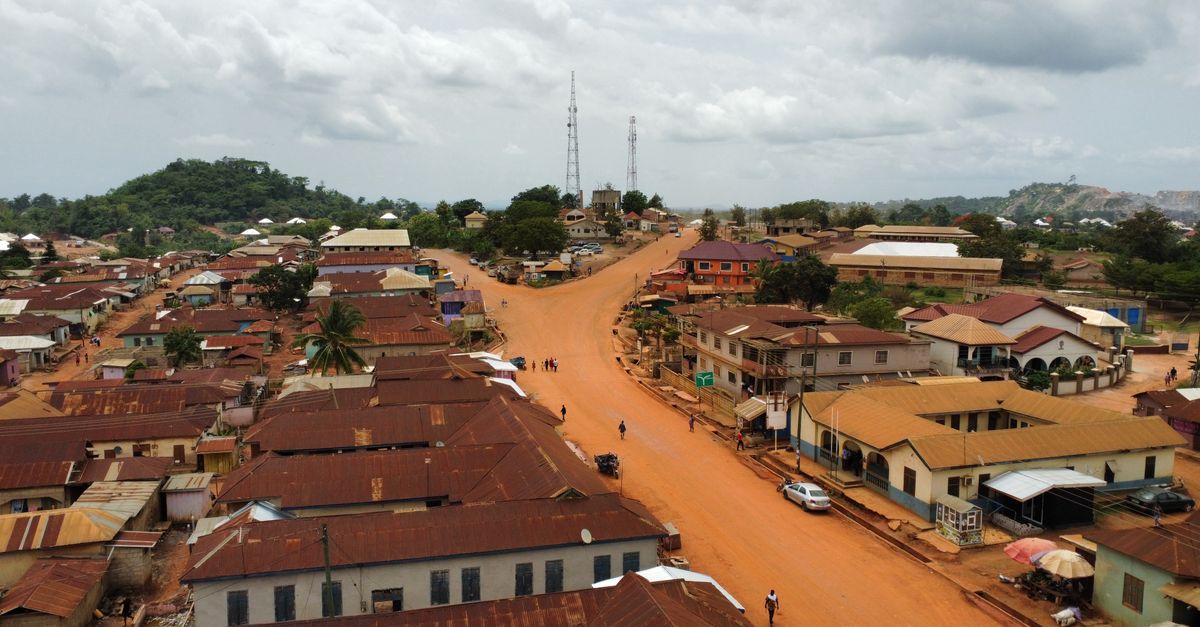
Let me tell you something about food that most people completely miss. We obsess over Michelin stars, celebrity chefs, and exotic ingredients flown in from halfway across the globe. But the real magic? It’s happening in places you’d never expect. One of those places is the Volta Region of Ghana.
I’ve spent years traveling, eating, and writing about food. And I’ll be honest — I was late to the Volta Region party. But once I arrived, I realized this is one of the most underrated food destinations on the planet. And the recent news coming out of there? It’s shaking up everything we think we know about West African cuisine.
So grab a seat. We’re diving into the Volta Region food scene — the hidden gems, the cultural shifts, and the surprising trends that are putting this corner of Ghana on the global map.
Why Volta Region Food News Matters More Than You Think
Here’s what most people miss: food news isn’t just about new restaurants or trendy dishes. It’s about culture, economy, and identity. And the Volta Region is experiencing a food renaissance that’s telling a bigger story.
Take banku and tilapia — a staple that’s been around forever. But recent reports from local Volta Region news outlets highlight a surge in artisanal fish farming along the Volta River. Small-scale farmers are using sustainable methods to produce tilapia that’s fresher and more flavorful than anything you’ll find in Accra. I’ve tried it. The difference is night and day. The fish tastes like it just jumped out of the water — because it basically did.
Then there’s fufu with palm nut soup. You’ve had it, right? But have you had it made from locally sourced cassava and plantains that were harvested that morning? The texture is silkier. The soup is richer. And the news? A cooperative of women in Ho is now exporting their palm nut paste to Europe. That’s not just food news — that’s economic empowerment on a plate.
I’ve found that when people think of Ghanaian food, they often default to jollof rice (don’t get me wrong, I love it). But the Volta Region is quietly proving that there’s a whole universe of flavors waiting to be discovered. And the news coverage is finally giving it the spotlight it deserves.

The Secret Ingredient That’s Changing Everything
Let’s talk about something you’ve probably never heard of: Kenkey and pepper sauce. Wait, don’t scroll past. I know kenkey gets a bad rap sometimes — it’s an acquired taste. But the Volta Region version? It’s a game-changer.
Recent Volta Region news has been buzzing about a revival of heirloom corn varieties used for kenkey. These aren’t your supermarket hybrids. These are seeds passed down through generations, with deeper flavor and better nutritional profiles. Local chefs are now experimenting with fermented kenkey that’s lighter, tangier, and pairs perfectly with grilled seafood.
Here’s the real secret: the pepper sauce. In the Volta Region, it’s not just ground pepper and onions. It’s a complex blend of scotch bonnets, ginger, garlic, and a splash of local palm wine. The acidity cuts through the richness of the kenkey in a way that makes you close your eyes and just feel it. I’ve tried recreating it at home. Failed every time. There’s something about the local ingredients and the hands that prepare it that you can’t replicate.
And the news? A group of young entrepreneurs in Keta has launched a kenkey subscription service. Yes, you read that right. They deliver fresh kenkey and pepper sauce to your door in Accra. It’s sold out every week for the past three months. That’s not just a trend — that’s a cultural revival packaged for the modern world.
The Dish That’s Breaking the Internet (and Why You Should Care)
Okay, I need to tell you about akple with okro stew. If you don’t know, akple is a cornmeal dough similar to banku but with a different texture — firmer, more crumbly. And okro stew? It’s the slimy, savory, soul-warming sauce that Ghanaians have perfected over centuries.
But here’s the twist: Volta Region news outlets are reporting a surge in vegan and vegetarian versions of this classic. Young chefs are swapping out the traditional smoked fish for smoked mushrooms and fermented locust beans (dawadawa) . The result? A dish that’s plant-based but still packs that deep, umami punch. I’m not vegan, but I’ve ordered this three times in the past month. It’s that good.
Why does this matter? Because global food trends are finally catching up to what West Africans have known all along — that plant-based eating doesn’t mean sacrificing flavor. The Volta Region is leading this charge, and the news coverage is drawing attention from food bloggers, chefs, and tourists who want the real deal.
Let’s be honest: most “vegan” food in the West is bland. It’s cauliflower pretending to be chicken. But Volta Region cuisine? It’s been plant-forward for centuries, and it’s never apologized for being bold. The recent news about akple being featured on a major UK food platform is just the beginning. Mark my words: in five years, you’ll see akple bowls in London cafes.
Inside the Home Kitchens That Tourists Never See
This is where it gets personal. I’ve been invited into homes in villages like Kpeve, Dzodze, and Ave-Dakpa. And let me tell you, the food you get at restaurants? It’s a watered-down version. The real magic happens in those open-air kitchens, where grandmothers still grind pepper on stone slabs and children help stir the fufu with wooden paddles.
Recent Volta Region news has highlighted a growing interest in food tourism — visitors who want to learn how to cook these dishes from the source. And the locals are embracing it. I spent an afternoon with a woman named Auntie Mansa in a village near Hohoe. She taught me how to make gari and groundnut soup from scratch. She didn’t use measuring cups. She used her hands, her eyes, and her nose. The result? Perfection.
Here’s what I’ve found: the best food news from the Volta Region isn’t about restaurants. It’s about people. It’s about the farmer who grows the okro, the woman who ferments the corn, the fisherman who nets the tilapia at dawn. These are the stories that don’t make the front page, but they’re the ones that matter.
And the news is starting to reflect that. I’ve seen profiles of female food entrepreneurs who are using social media to sell their homemade pepper sauces, dried fish, and fermented condiments. Some of them are shipping to the diaspora in the US and UK. That’s not just food — that’s connection, heritage, and economic survival.
The 3 Things You Need to Try Right Now (Based on Recent Volta Region News)
If you’re reading this and thinking, “Okay, Jack, I’m sold. What do I actually eat?” — here’s my curated list based on the latest trends and reports:
- Smoked Tilapia with Shito and Kenkey — The Volta Region’s version of shito (black pepper sauce) is spicier and smokier than what you’ll find elsewhere. Pair it with freshly smoked tilapia from the river. It’s a flavor bomb.
- Akple with Groundnut Soup — Look for versions made with heirloom groundnuts (peanuts) that are roasted in clay pots. The soup should be thick, nutty, and slightly sweet. Add a side of fried plantains for texture.
- Palm Nut Soup with Goat Meat — This is the dish that will make you understand why the Volta Region is special. The palm nuts are pounded to a pulp, then simmered for hours. The result is a soup that’s creamy, tangy, and deeply satisfying. Recent news reports show that this dish is being featured at food festivals in Accra — and it’s stealing the show.
Why This Food News Matters for Your Plate
Here’s the truth: the global food system is broken. We’re eating processed, homogenized, lifeless meals that were designed for shelf stability, not flavor. The Volta Region represents the opposite — food that’s alive, connected to the land, and made with intention.
The recent Volta Region news about food sovereignty and local sourcing isn’t just a trend. It’s a blueprint for how we should all be eating. When you support these communities, you’re not just getting a meal. You’re preserving a culture, supporting small farmers, and eating food that actually tastes like something.
I’ve found that the best meals I’ve ever had weren’t in fancy restaurants. They were in humble homes, under thatched roofs, with people who cooked from memory and love. The Volta Region has that in abundance. And the news is finally telling that story.
So here’s my challenge to you: next time you see Volta Region news about food, don’t scroll past. Click. Read. Learn. And if you ever get the chance, book a ticket, find a local guide, and eat your way through this incredible region.
Your taste buds will thank you. And honestly? Your soul might too.