
Okay, let’s be real for a second. I was doom-scrolling at 2 AM, as one does, and stumbled across a post from this thing called the "Ho Youth Network." My first thought? Oh great, another crypto-bro pyramid scheme wrapped in neon lights and buzzwords. But then I kept reading. And then I fell down a rabbit hole that left me genuinely unsettled.
We hear a lot about "youth empowerment" and "networking for the next generation." But what happens when that network feels less like a community and more like a cult of hustle? What happens when the shiny promise of "financial freedom" hides a system that preys on ambition? That’s the question I’m chasing today. And the answer is more complicated—and frankly, more shocking—than I expected.
The Glittering Facade: Why Everyone Wants In
You’ve seen the Instagram stories. The kid who was "broke in college" is now flexing a rented Lamborghini. The captions are always the same: "Join the movement." "Stop trading time for money." "Your network is your net worth." The Ho Youth Network has mastered the art of visual seduction. It’s not just a network; it’s an aesthetic. It promises belonging, status, and a shortcut to a life that feels out of reach.
Here’s what most people miss, though. The initial pitch is brilliant. It targets a very specific pain point: the crushing anxiety of being young and broke in an expensive world. They don’t sell you a product. They sell you a persona. You aren't joining a sales team; you’re joining an "elite tribe."
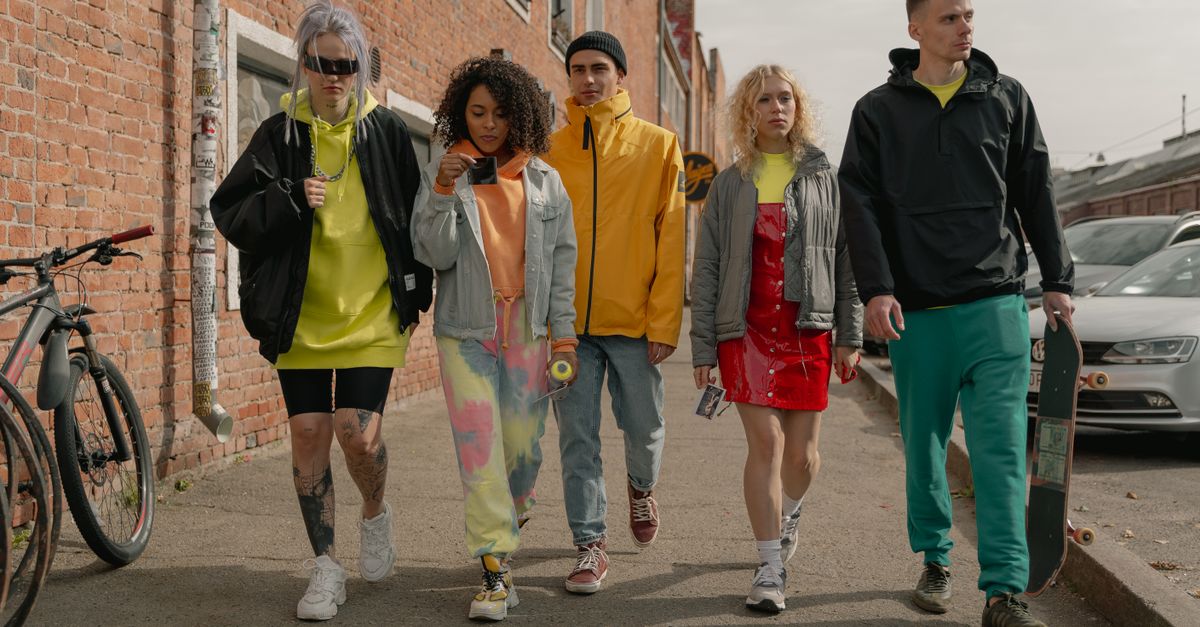
But let’s pull back the curtain for a second. I’ve found that any organization that spends more time selling you on the idea of "being rich" than on the actual mechanics of a product is waving a massive red flag. The network’s entire ecosystem relies on a simple loop: recruit, recruit, recruit. The "product" is often secondary, or worse, a flimsy digital course that teaches you how to recruit more people.
The 3 Things Nobody Tells You About "Passive Income"
Let’s get specific. The Ho Youth Network, like many of its predecessors, loves the phrase "passive income." It’s the siren song of the modern gig economy. Who doesn't want to make money while sleeping? But here’s the uncomfortable truth I’ve observed:
- The "Product" is You. The real commodity being sold isn't a service. It’s your personal network. Your friends, your family, your high school acquaintances—they are the leads. You are the product, and you are also the salesperson.
- The Math Doesn’t Math. I did some digging. To make the kind of money they flaunt, you need a downline so massive that it’s mathematically impossible for everyone to succeed. It’s a funnel. The people at the top make bank. Everyone else? They’re buying in, buying courses, buying "starter kits," and hoping to catch a wave that’s already crested.
- The Emotional Toll is Real. This is the part the glossy videos don’t show. The pressure to recruit. The guilt when your friends say no. The identity crisis when you realize you’ve become "that person" who can’t have a normal conversation without pitching. It’s exhausting.
The "Education" Trap: Is It Really Training or Brainwashing?
This is where it gets really interesting—and a little creepy. The Ho Youth Network markets itself heavily on "personal development." They have weekend seminars, "masterminds," and "leadership retreats." They talk about mindset, abundance, and breaking free from the "matrix" of a 9-to-5 job.
Let’s be honest: personal development is a good thing. But when "education" becomes a tool for social control, it’s a problem. The language used is very specific. It’s binary. You are either "awake" or "asleep." You are either a "go-getter" or a "loser." This creates an in-group/out-group mentality that is incredibly hard to resist.

They teach you to ignore "haters" (anyone who criticizes the system). They teach you to "trust the process" (stop asking critical questions). They teach you that failure is just a lack of "belief." This is textbook psychological conditioning. It’s not about teaching you a skill; it’s about teaching you to obey the system.
I’m not saying all personal development is bad. Far from it. But when the only "education" you receive is about how to recruit more people and how to defend the organization against criticism, you aren’t learning a trade. You’re learning a script.
The Digital Footprint: Why This Generation is Vulnerable
Why is this network—and others like it—so successful right now? It’s not just the economy. It’s the digital native mindset. Gen Z and younger Millennials grew up online. We understand algorithms, virality, and personal branding. The Ho Youth Network weaponizes that understanding.
They teach you to "build a personal brand" on TikTok and Instagram. But the brand isn’t yours. It’s theirs. You become a walking, talking billboard for the network. Your "authenticity" is a performance. Your "story" is a sales funnel.
Here’s the secret that the network doesn’t want you to know: Real financial freedom rarely comes from a system that demands you recruit your mother. Real wealth is boring. It’s a skill. It’s a trade. It’s saving, investing in actual assets, and building something that doesn't rely on an endless chain of new members.
So, Is It a Scam or Just Aggressive Hustle Culture?
This is the million-dollar question. I’m not here to call the Ho Youth Network a scam in the legal sense. They probably have a product and a payout structure that technically exists. But the line between "aggressive marketing" and predatory behavior is razor thin.
Here’s my take: If you have to lie to your friends to get them to join, it’s a problem. If you are told to "fake it till you make it" with rented luxury goods, it’s a problem. If the "community" shames you for asking questions about the business model, it’s a problem.
The network preaches "abundance," but it operates from a place of deep scarcity. It convinces you that you are not enough unless you are a top earner. It sells you a solution to a problem it helped create: the feeling that you are falling behind in life.

The Final Reality Check
I started this article feeling cynical. I end it feeling a bit sad. The Ho Youth Network taps into a very real, very human desire: the desire to matter. It offers a shortcut to significance. But shortcuts are dangerous.
If you are a young person reading this, I’m not telling you to never take risks. Take them. Build something. But build it for yourself. Learn a real skill. Code. Write. Design. Sell a thing you made, not a dream you bought.
The best network you can build is one where people value you for your character, your knowledge, and your kindness—not for your ability to recruit them into a downline. The best youth movement is one that encourages critical thinking, not blind loyalty.
So, before you sign up for that "Elite Mastermind" or buy that "Starter Pack," ask yourself one question: Am I joining this network, or am I being bought by it?
The answer might just save your future.