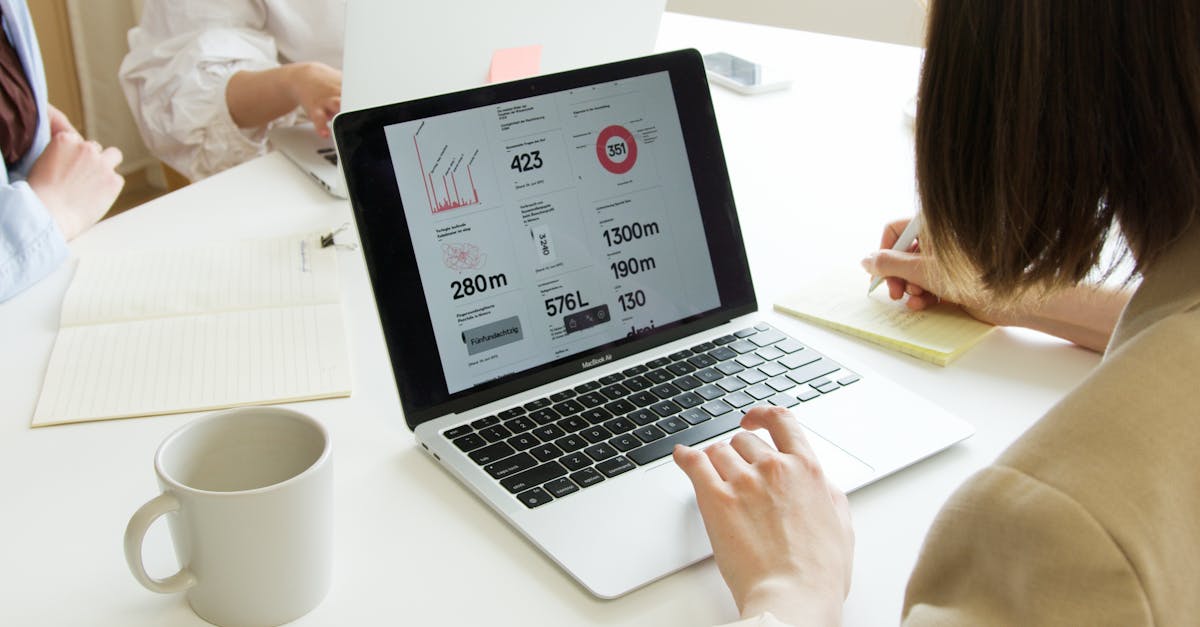
I remember the exact moment I realized most people treat business like a lottery ticket. I was sitting in a cramped coffee shop, staring at my laptop screen, watching my side hustle bank account hover at $47.32. A "business guru" on YouTube was screaming about how you just need to hustle harder, wake up at 4 AM, and manifest your way to millions. I wanted to throw my phone across the room. Because here's the truth no one tells you: business isn't about working harder. It's about making your money work smarter. And that? That's a completely different game.
Let's be honest — the financial advice you see on social media is often garbage. It's designed to sell you a dream, not build you a foundation. So let's strip away the hype. Let's talk about the real, gritty, slightly boring but wildly effective ways to build a business that doesn't just survive, but thrives. And no, you don't need a trust fund or a viral TikTok dance to get there.

The Shocking Truth About "Passive Income" (It's Not What You Think)
I've got a confession: I used to be obsessed with passive income. The idea of money rolling in while I slept sounded like heaven. So I bought courses, read books, and tried to set up "automated" systems. And you know what happened? I spent more time managing my "passive" income streams than I did working my actual job. It was exhausting.
Here's what most people miss: passive income is a lie. It's deferred active income. You do a ton of work upfront, then you do a ton of maintenance work later. The only truly passive income is money you already have earning interest — and that requires capital.
So what's the real secret? Building assets that generate cash flow with minimal ongoing effort. That could be:
- A digital product you create once and sell repeatedly
- A service that you systematize and hire others to deliver
- Real estate (if you have the stomach for tenants and toilets)
- Dividend-paying stocks (the slow, steady, boring path)
The 3 Numbers You Need to Track (Ignore Everything Else)
When I started my first real business, I tracked everything. Email open rates, website traffic, social media followers, how many cups of coffee I drank. I was drowning in data but starving for insight. It took me two years to realize I only needed to watch three numbers.
Here's the secret sauce:
- Your Customer Acquisition Cost (CAC) — How much does it cost you to get one paying customer? If you're spending $50 on ads to make $30 in profit, you're literally paying people to work for you. That's not a business; it's a charity.
- Your Lifetime Value (LTV) — How much will the average customer spend with you over their entire relationship? If your LTV is $200 and your CAC is $50, you're golden. If your LTV is $60 and your CAC is $50, you're one bad month away from bankruptcy.
- Your Cash Flow Breakeven Point — The exact moment your revenue covers all your expenses. Not profit. Not growth. Just survival. Because cash flow is oxygen — without it, you die.
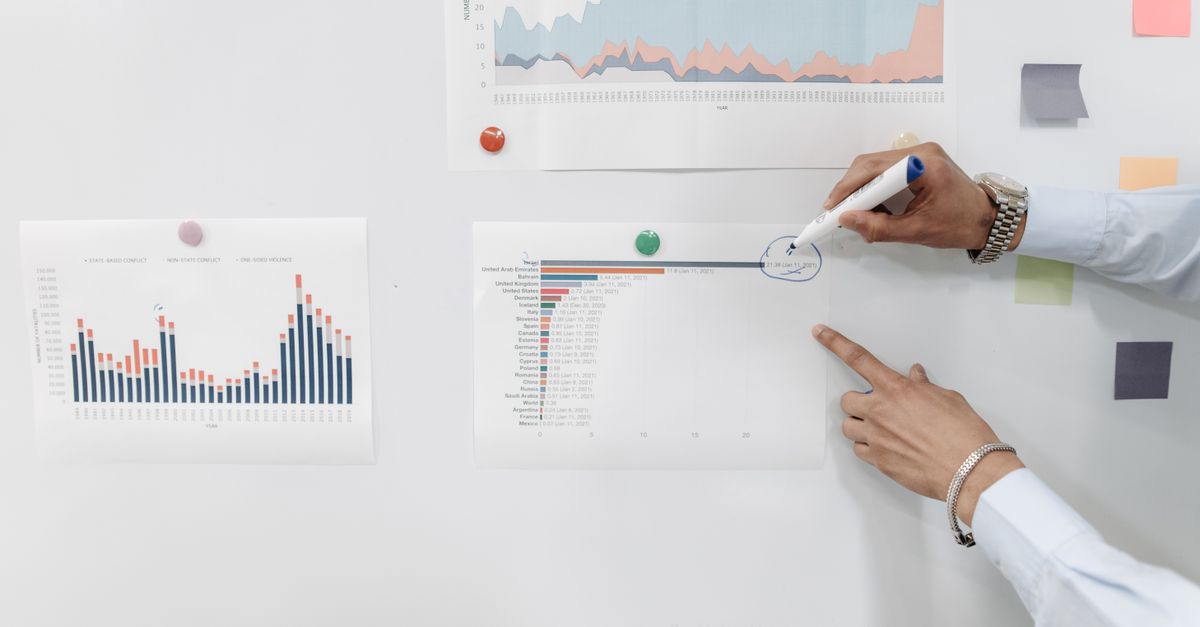
Why "Hustle Culture" Is Slowly Killing Your Business
Let's get real for a second. There's a toxic narrative running through the business world that says you need to grind 24/7, skip sleep, and sacrifice your health for success. I bought into it. I worked 80-hour weeks. I ate at my desk. I answered emails at 2 AM. And guess what? My business didn't grow — I just got burned out and made worse decisions.
Here's the counterintuitive truth: rest is a productivity tool. When you're exhausted, your brain makes poor financial choices. You overspend on tools you don't need. You hire the wrong people. You agree to bad deals because you're too tired to negotiate.
I've found that my best business ideas come when I'm NOT working. When I'm hiking, cooking, or staring at the ceiling. That's when my brain connects dots I couldn't see while I was drowning in busywork.
So here's my challenge to you: stop glorifying the grind. Instead, optimize for:
- Deep work (2-3 hours of focused, uninterrupted effort)
- Strategic rest (real breaks, not scrolling Twitter)
- Delegation (pay someone to do what you're bad at)
- Saying no (every "yes" to a bad opportunity is a "no" to a great one)
The Hidden Tax That's Draining Your Profits (And How to Fix It)
I call it the "Invisible Tax." It's the money you're losing without realizing it. And it's probably costing you thousands every year.
What is it? Poor financial systems. Let me give you an example: I had a client who was making $150,000 a year in revenue but barely scraping by. We dug into their books. Turns out, they were paying $800/month for a software subscription they never used. They were losing 5% of their invoices to late payment fees. They had three different bank accounts with monthly maintenance fees. They were hemorrhaging money through a thousand tiny cuts.
Here's how to fix it:
- Audit every subscription — Cancel anything you haven't used in 90 days
- Automate your invoicing — Late payments are a choice, not a necessity
- Negotiate everything — Vendors, software, rent. The worst they can say is no.
- Separate personal and business finances — It's not just for taxes; it's for clarity
Why Your "Bad" Business Idea Might Be Your Best One
I almost didn't start this blog. I thought the finance space was too crowded. Too many experts. Too much noise. I almost let fear talk me out of my own voice.
But here's what I've learned: your unique perspective is your competitive advantage. You don't need to be the smartest person in the room. You just need to be the most authentic.
The businesses that win aren't the ones with the most complex strategies. They're the ones that solve a real problem for a specific group of people — and do it with personality. People buy from people they trust. And trust comes from being real, not perfect.
So if you've got an idea that feels "too small" or "too weird," lean into it. The best businesses often start as side projects that no one took seriously. Airbnb started as an air mattress rental. Spanx started as a pair of cut-up pantyhose. Your "bad" idea might just need a little execution and a lot of grit.

The One Question That Changed Everything for Me
I was at a low point. My business was barely breaking even. I was exhausted. And a mentor asked me a simple question: "What would you do if you knew you couldn't fail?"
It sounds cliché, I know. But it broke something open in my brain. Because I realized I was playing small. I was afraid to raise my prices. I was afraid to fire bad clients. I was afraid to invest in myself.
So I asked myself: What would I do if I knew I couldn't fail?
I'd charge triple my rates. I'd fire the clients who drained my energy. I'd hire a coach. I'd launch that product I'd been sitting on for two years.
And you know what? I did all of those things. And my business doubled in six months.
Here's the thing: most of your fears are lies your brain tells you to keep you safe. But safe doesn't build wealth. Safe doesn't build freedom. Safe builds a cage of "what ifs."
So I'm asking you the same question: What would you do if you knew you couldn't fail? Write it down. Then go do it. Not next week. Not when you're ready. Now.
Because the only real failure in business isn't losing money. It's never trying the thing that might actually work.
Final thought: Business is messy. It's unpredictable. It's full of late nights, bad decisions, and moments where you want to quit. But it's also the most powerful tool I've found for creating freedom — financial, creative, and personal. Don't let the noise drown out your signal. Track your numbers, protect your energy, and never stop asking what's actually working. The market rewards those who pay attention. Be one of them.