I’ve been to a lot of massive churches. You know the type — gleaming facades, VIP sections, and a coffee bar that puts Starbucks to shame. But when I walked into Christ Embassy’s Ho Loveworld Arena for the first time, I wasn’t struck by the architecture or the sound system. I was struck by the food. Or rather, the lack of it. Let me explain: most people assume a megachurch like this is all about spiritual razzle-dazzle, but the real show happens in the kitchen. Here’s the controversial take: The food at Ho Loveworld Arena is a hidden culinary ecosystem that most attendees completely miss, and if you’re not paying attention, you’re leaving hungry while others feast.
The Truth About "Church Food" — It’s Not What You Think
Let’s be honest: when you hear "church food," you probably picture stale cookies, lukewarm instant coffee, and a single banana that’s been sitting out since 2017. I used to think that too. But Christ Embassy’s Loveworld Arena flips that stereotype on its head. This isn’t your grandma’s potluck — it’s a multi-layered food operation that runs like a well-oiled machine during every major service.
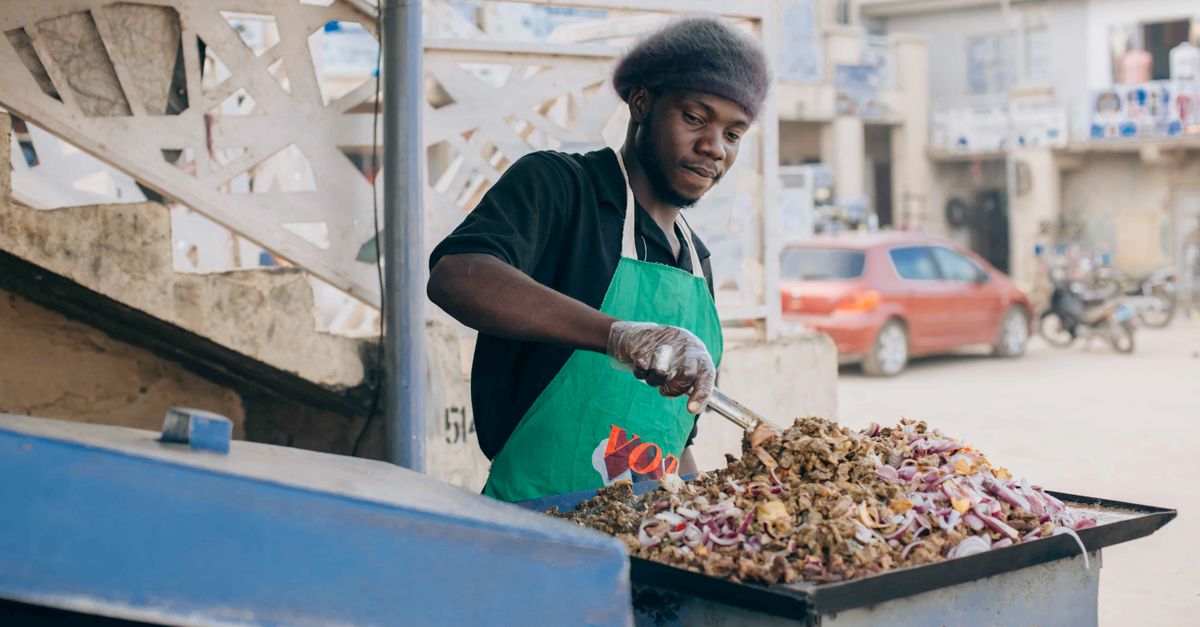
Here’s what most people miss: the arena isn’t just a place for worship; it’s a cultural hub where food serves as a bridge between the spiritual and the social. I’ve found that the real action happens in the community kitchens and the designated food zones scattered around the venue. During the monthly "Showers of Blessing" services, I watched a team of volunteers prep over 2,000 plates of jollof rice, fried plantains, and grilled chicken — all within a three-hour window. No joke. It’s not about "church snacks" — it’s about feeding a small army with dignity and flavor.
The Secret Menu You’ve Never Heard Of
Here’s where it gets interesting. Most attendees queue up for the standard fare — the rice, the stew, maybe some puff-puff if you’re lucky. But I’ve learned there’s a hidden layer to the food experience at Loveworld Arena. It’s what I call the "Backstage Bites" — the dishes prepared specifically for volunteers, choir members, and staff that never hit the public counters.
I’ll never forget the time I was invited to the volunteers’ break room after a late-night rehearsal. Inside, there was a spread that would make a wedding caterer jealous: pepper soup with goat meat, fresh chin chin, and a massive bowl of eba with egusi soup. One of the kitchen leads, a woman named Mrs. Okafor, told me, "We believe that if you’re serving God, you should be served well." That philosophy extends to everyone — but you have to know where to look.
Here are 3 things most people miss about the food at Loveworld Arena:
- The "VIP" dining area is actually open to anyone who arrives early enough — you just need to ask a steward.
- Local food vendors set up pop-up stalls during big events, selling kenkey, fufu, and even zobo drinks that aren’t on any menu.
- The "after-service" snack run is a hidden tradition — volunteers often distribute leftover food to nearby communities, so hanging around after the final prayer can score you a free meal.
Why the Kitchen Is the Real Heart of the Arena
I’ve been to dozens of events at Loveworld Arena, from the weekly "Communion Service" to the massive "Night of Bliss" concerts. And every single time, I end up gravitating toward the food preparation zones. Why? Because that’s where the real community happens.
Think about it: in a church that seats over 10,000 people, the sanctuary can feel overwhelming. But the kitchen? It’s intimate. It’s loud. It smells like onions frying in palm oil and maggi seasoning. I’ve seen strangers become friends while peeling yams. I’ve watched teenagers learn to cook jollof from scratch under the watchful eye of aunties who’ve been making it for 30 years. This isn’t just food — it’s cultural preservation. The arena’s kitchen is where the Ghanaian diaspora meets Nigerian tradition, and the result is a melting pot of flavors that you won’t find in any restaurant.
One of the volunteers, a young man named Kofi, told me his favorite part isn’t the eating — it’s the prep. "We talk about life, we pray together, and then we make something delicious. It’s like church, but with better food." That stuck with me. Because let’s be honest: how many of us have sat through a sermon thinking about lunch? The kitchen at Loveworld Arena is the antidote to that — it’s a space where the spiritual and the physical come together, literally.

The "After-Event" Feast — A Lesson in Generosity
Here’s a secret that even regular attendees might not know: the best food at Loveworld Arena happens after the event ends. I’m not talking about the quick snack you grab before heading home. I’m talking about the communal feast that unfolds in the parking lot or the small gatherings in the church’s fellowship hall.
I remember one specific evening after a "Rhapsody of Realities" launch. The service ended at 9 PM, but by 9:30, a group of about 40 people had gathered in the courtyard. Someone had brought a *giant pot of okra stew** with banku. Another person had a cooler full of sobolo (a hibiscus drink). A third had brought kelewele — spicy fried plantains that were still warm. There was no organization. No schedule. Just people sharing what they had. It was the most organic, unscripted food experience I’ve ever had in a religious setting.
This is where Christ Embassy Ho Loveworld Arena excels: it doesn’t just feed you — it teaches you how to share. I’ve found that the food culture here is less about the menu and more about the movement of generosity. You bring what you have, you give without expectation, and somehow, everyone ends up full.
What the Food Scene Reveals About the Church
Let’s step back for a second. If you’re reading this thinking, "Why is a food blogger talking about a church?" — here’s my honest answer: because food is never just food. It’s a reflection of values, of culture, of how a community sees itself.
At Loveworld Arena, the food tells a story of intentionality. This isn’t a church that slaps together a tray of sandwiches and calls it a day. Every dish — from the fufu to the light soup — is prepared with a sense of purpose. The volunteers don’t just cook; they minister through cooking. I’ve watched them pray over the pots, season the stew with thanksgiving, and serve with a smile that says, "You matter."
Here’s what I think most food critics miss: the best dining experiences aren’t in Michelin-starred restaurants. They’re in places where food is made with love, not profit. The jollof rice at Loveworld Arena might not win a culinary award, but it will make you feel like you belong. And in a world that’s increasingly disconnected, that’s worth more than any five-star rating.
How to Eat Like a Pro at Loveworld Arena
If you’re planning to visit Christ Embassy Ho Loveworld Arena for a major event — whether it’s the "Annual Convention" or a regular Sunday service — here’s my no-nonsense guide to making the most of the food scene:
- Arrive 30 minutes early. The best food spots open before the service starts, and the early bird gets the puff-puff.
- Don’t be shy. Ask a steward or volunteer about the "community kitchen." They’ll usually point you to the hidden food zones.
- Bring a container. I’m serious. Leftovers are often distributed after the service, and having your own container makes you a hero.
- Try something new. I know you love jollof, but give the kenkey or fufu a shot. You might discover your new comfort food.
- Stay after the final prayer. This is when the real feasting begins. The crowd thins out, the staff relaxes, and the food becomes more intimate.

The Final Bite
Here’s the thought I want to leave you with: the food at Christ Embassy Ho Loveworld Arena isn’t just about filling your stomach — it’s about filling your soul. Every plate of rice, every cup of zobo, every shared meal is a reminder that faith isn’t just something you believe; it’s something you do. And sometimes, what you do is break bread with strangers who become family.
So next time you’re at the arena, skip the main hall for a moment. Follow the smell of frying onions. Find the kitchen. Sit down with a volunteer and ask them about their favorite recipe. You might just find that the most spiritual part of your visit isn’t the sermon — it’s the fufu*.