
Here’s the thing: over 70% of travelers now say they’d pay more for a trip that guarantees they aren’t ruining the place they’re visiting. That’s not a niche opinion. That’s a full-blown revolution in how we pack our bags.
I’ve been watching this shift for years, and let’s be honest—I used to roll my eyes at "eco-tourism." It felt like a marketing gimmick. You know, a hotel slaps a bamboo toothbrush in your room and calls it a "sustainable luxury experience." But the numbers don’t lie. The global eco-tourism market is projected to hit $333 billion by 2027. That’s not a trend. That’s a tectonic shift.
So, what changed? And more importantly, where should you actually go if you want to join this movement without falling for greenwashing?

The Shocking Truth About "Sustainable" Travel You’re Probably Ignoring
Most people think eco-tourism means "roughing it." Sleeping in a tent. Eating granola. Showering with a bucket. That’s the old school version.
Here’s what most people miss: the hottest sustainable destinations right now are luxury-forward. They’ve figured out that you don’t have to sacrifice a cold beer or a hot shower to save the planet. The secret is regenerative tourism—not just leaving no trace, but actively making the place better than you found it.
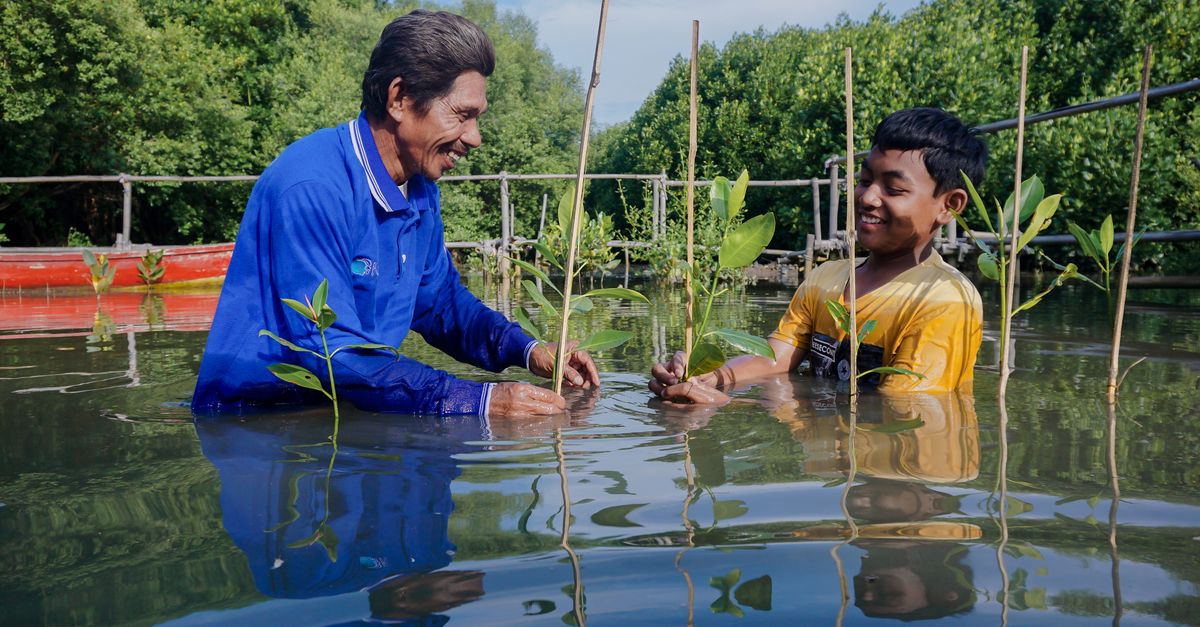
I’ve found that the best eco-destinations now operate like high-end startups. They track their carbon footprint like a CEO tracks revenue. They employ local guides at fair wages. They invest in reforestation or coral restoration as a core part of the experience.
The real shocker? The most popular eco-destinations aren't remote jungles anymore. They’re up-and-coming cities that have redesigned their entire infrastructure around sustainability. Think Ljubljana, Slovenia—a capital city that banned cars from the center and planted vineyards in the suburbs. That’s not a hippie commune. That’s urban planning with a conscience.
The 3 Destinations That Defined the Boom (And Why They Work)
I’ve spent the last three years bouncing between these hotspots. Here are the three that actually delivered on the hype, and why they’re setting the standard for 2025.
1. Costa Rica’s Nicoya Peninsula: The Blueprint
Costa Rica has been the poster child for eco-tourism for decades. But the Nicoya Peninsula is where it gets real. This isn’t the touristy volcano loop. This is a place where the local government pays farmers to protect the forest instead of chopping it down.
What works: Community-owned lodges. You stay in a place where 80% of the staff are from the village. Your meals come from gardens you can see from your table. Your "tour" is a hike with a former poacher who now protects the monkeys. It’s not a vacation—it’s a collaboration.
Let’s be honest: it’s not the cheapest trip. But you leave feeling like you actually did something.
2. The Azores, Portugal: The Hidden Volcanic Gem
If Costa Rica feels like the mainstream, the Azores is the insider play. Nine volcanic islands in the middle of the Atlantic. Most people skip it for mainland Portugal. Their loss.
The government here did something radical: they capped the number of daily visitors to the most popular crater lakes. You literally can’t overbook it. The result? Prices are stable, the trails are empty, and the water is crystal clear.
I’ve found that the Azores are perfect for travelers who want "adventure light." You can whale-watch with marine biologists, hike through dormant volcanoes, and eat cheese from cows that graze on volcanic grass. It’s weird. It’s wonderful. And it’s sustainable by design, not by sticker.

3. Bhutan: The High-Price, High-Reward Strategy
Bhutan is the wild card. They charge a mandatory $200 per day "Sustainable Development Fee." Sounds insane, right? Most people hear that and run.
But here’s what you get: zero mass tourism. You aren’t competing for a view. You aren’t standing in line for a photo. The country uses that money to subsidize free healthcare and education. The result is a culture that is surprisingly intact—not a theme park version of itself.
Is it for everyone? No. But if you want to see what a country looks like when it prioritizes happiness over GDP, this is it. It’s the ultimate flex for the conscious traveler.
Why Your Next Trip Should Feel Like a Job Interview
Here’s a hot take: the best eco-destinations will reject you. Not literally, but they’ll make you qualify.
I’ve noticed that the most sustainable places now require a sort of "buy-in." You might need to watch a 10-minute video on local customs before booking. You might need to sign a pledge about respecting wildlife. Some places even ask why you’re visiting.
This isn’t gatekeeping—it’s quality control. If you’re just looking for a cheap Instagram backdrop, these places aren’t for you. And that’s exactly why they work.
The travel industry has finally figured out that the most damaging tourists are the ones who treat a destination like a disposable commodity. The boom is driven by people who want to be part of the solution, not just the problem.
The Secret to Not Getting Greenwashed (Yes, It’s Still a Thing)
Let’s be brutally honest: greenwashing is rampant. I’ve stayed at a "eco-resort" that had a single recycling bin and a website full of stock photos of trees. It’s infuriating.
Here’s how I spot the fakes, and how you can too:
- Check the certifications. Look for B Corp, Green Key, or Rainforest Alliance. If they don't have one, ask why.
- Look at the menu. If they serve imported beef in a country where it doesn’t grow naturally, they’re not serious.
- Read the fine print on "offsetting." Many hotels buy cheap carbon credits that do nothing. Real ones show you their actual emissions data.
- Ask about waste. Where does the water go? Where does the food waste go? If they can’t answer, run.
The Bottom Line: This Isn't a Trend, It's a Reckoning
We’re past the point of "eco-tourism" being a niche. It’s the new default. The destinations that survive the next decade will be the ones that treat their land and their people like assets, not resources.
So, here’s my call to action: don’t just book a trip. Vet it. Ask the hard questions. Spend your money where it actually matters. The boom is real, but it’s fragile. It only works if we demand it.
The world is burning, sure. But it’s also healing in places where people actually care. You can be part of that healing. Just pack a reusable water bottle and a willingness to think differently.
See you out there.