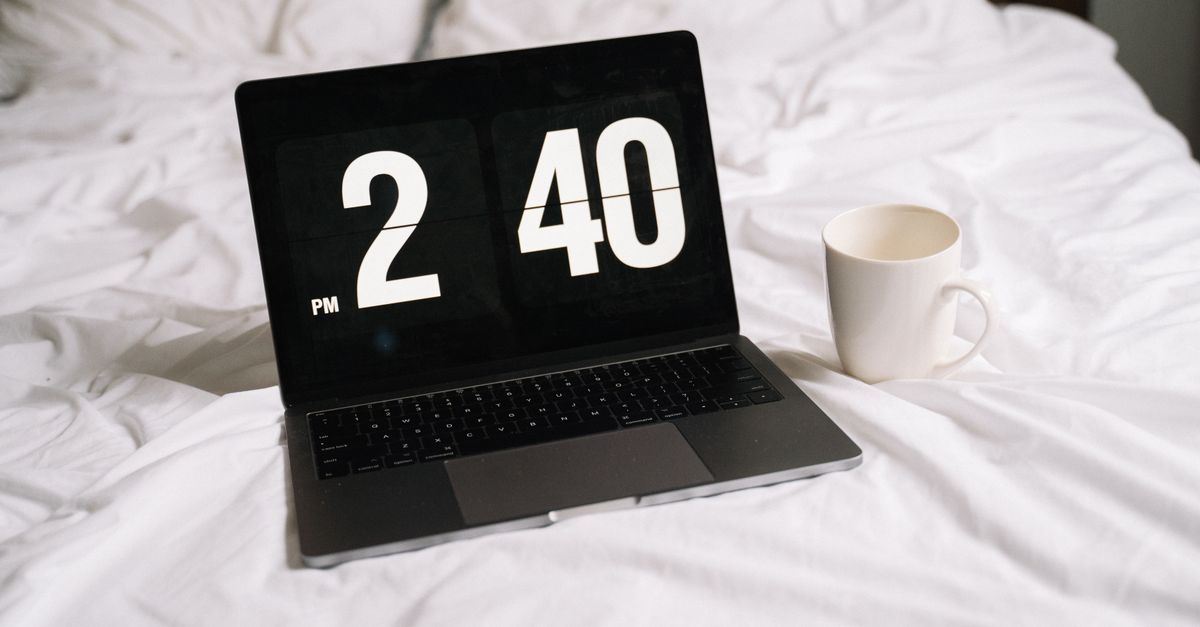
Let me tell you something about the 4pm slump that nobody talks about. You know that feeling—it hits you like a brick wall around the time your afternoon tea goes cold. Your eyes get heavy, your brain turns to static, and suddenly scrolling through cat memes feels more productive than the spreadsheet you were supposed to finish. I've been there. You've been there. We've all been there. But here's what most people miss: the 4pm hour isn't your enemy. It's a secret weapon most of us are too tired to recognize.
I'm Adwoa Frimpong, and I've spent years dissecting my own unproductive afternoons. I've found that the 4pm slump is less about needing more caffeine and more about how we mismanage our energy cycles. Let's be honest—modern culture treats the afternoon like a dead zone. Offices dim their lights, coworkers disappear for "quick walks" that turn into naps, and your email inbox grows quieter as everyone collectively surrenders to exhaustion. But what if I told you that the 4pm hour is actually the most underrated time for creativity, connection, and even breakthrough thinking?
Why Your Brain Wants to Give Up at 4pm (And How to Outsmart It)
The science is simple, but the solution isn't. Your circadian rhythm dips around 2-4pm, causing a natural drop in alertness. That's biology, not laziness. But here's what most people miss: this dip is actually a reset button. Your brain isn't failing—it's preparing for a second wind. I've found that fighting this slump with willpower alone is like trying to outrun a sunset. You can't. But you can work with it.
Here's a shocking truth: the most productive people I know don't power through the 4pm slump. They pivot. They switch from high-focus tasks to low-stakes creative work. Think about it—when was the last time you had a brilliant idea at 4:15pm? Probably never, because you were too busy forcing yourself to concentrate on something that required deep focus. Instead, use that hour for brainstorming, mindless organizing, or even a quick walk. I've written some of my best blog drafts during this time because my brain, tired of logical thinking, finally lets creativity flow.
The Hidden Culture of the 4pm Hour
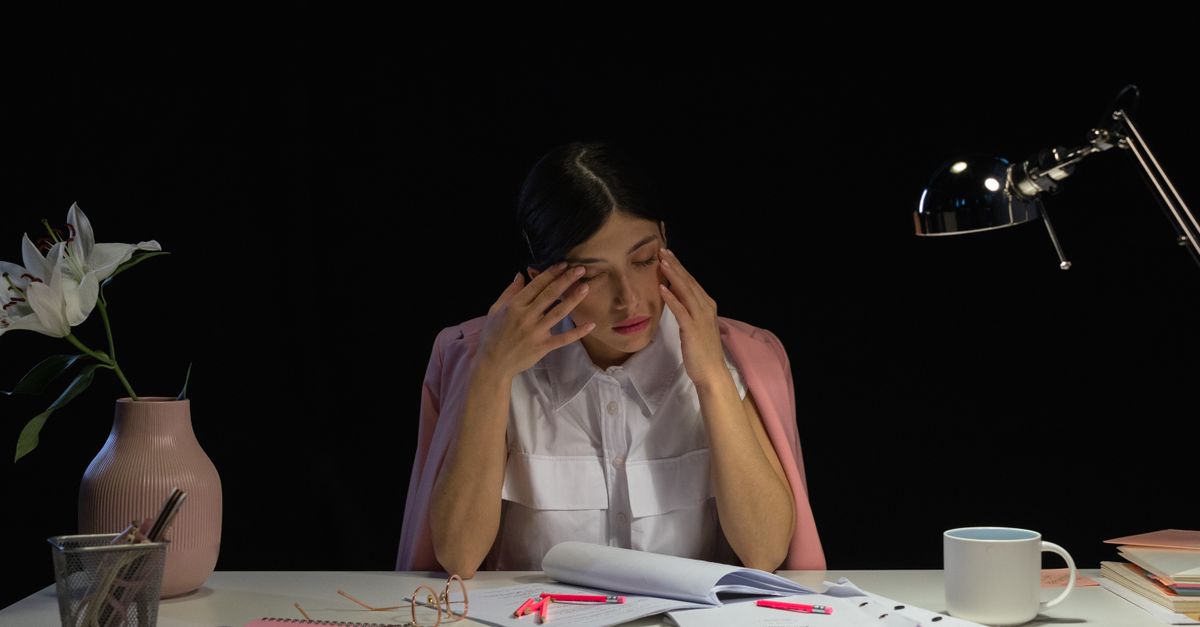
I want to talk about something bigger than just productivity hacks. The 4pm hour has become a cultural symbol of modern burnout. Think about it—we associate this time with guilt. "I should be working harder." "Why am I so lazy?" "Everyone else is probably killing it right now." But here's the truth: the 4pm slump is a collective cultural signal that we're overworking ourselves.
In many parts of the world, 4pm is sacred. In Spain, it's the tail end of siesta. In parts of Scandinavia, it's when people leave work early to pick up kids or enjoy the outdoors. In Ghana, where I'm from, 4pm is when the heat finally breaks and life starts again—markets get busy, people gather, and energy returns. But in the hyper-productive West, we've turned 4pm into a shame spiral. We feel guilty for needing a break, so we force ourselves to push through, which only makes us more exhausted for the evening.
Let's be honest: the culture of the 4pm slump is a choice. You can choose to feel defeated, or you can choose to see it as a natural rhythm. I've found that when I stop fighting it, I actually get more done in the two hours after 4pm than I do in the entire morning. The key is to stop treating your body like a machine and start treating it like a garden—sometimes you need to let the soil rest.
5 Surprising Things You Can Do at 4pm That Will Change Your Life
I'm not talking about generic advice like "take a nap" or "drink water." You've heard that before. Here are the real, unconventional things that have transformed my own 4pm experience:
- Call someone you haven't talked to in months. I've found that 4pm is the perfect time for spontaneous, low-stakes conversations. People are less busy than in the morning, and they're more open to chatting. I've reconnected with old friends, landed unexpected collaborations, and even gotten story ideas from these calls. It's a networking goldmine disguised as a slump.
- Do something with your hands that has nothing to do with screens. Fold laundry. Water plants. Organize your desk. The physical movement resets your brain. I've found that after 15 minutes of manual work, my focus returns sharper than before.
- Write down three things you're grateful for—but with a twist. Don't write generic gratitude. Write about something that happened today that made you feel alive. It rewires your brain to notice small wins instead of focusing on the unfinished to-do list.
- Take a "power pause" of exactly 7 minutes. Not 5, not 10—7. Set a timer, close your eyes, and do absolutely nothing. No meditation app. No breathing technique. Just sit and let your thoughts wander. I've found that 7 minutes is the sweet spot between resetting and falling asleep.
- Eat something that isn't sugar. This one's practical, but most people ignore it. That 4pm cookie gives you a 20-minute boost followed by a crash. Instead, try a handful of almonds or an apple with peanut butter. Your energy will last longer and you won't need that third cup of coffee.

The 4pm Hour Is Actually Your Secret Weapon for Creativity
Let me tell you something that might sound weird: some of my best ideas have come at 4pm. Not because I'm a genius, but because my brain, tired of logical thinking, finally lets creativity flow. The morning is for execution. The afternoon is for exploration. When you stop trying to force productivity and instead let your mind wander, you tap into a different kind of intelligence.
I've found that the 4pm hour is perfect for what I call "low-stakes creation." Write a terrible poem. Sketch something embarrassing. Brainstorm ideas you'll never use. The pressure is off because you're already in the slump, so there's nothing to lose. And sometimes, that's when magic happens. I've written entire blog posts at 4pm that I couldn't have written at 10am because my inner critic was too loud in the morning.
Here's what most people miss: the 4pm slump is actually your brain telling you it's time to switch modes. You've been in "execution mode" all day—now it's time for "possibility mode." The problem is we've been trained to think that only one mode is valuable. But the most creative people in history—from writers to scientists—have talked about the power of letting your mind drift. That's not laziness. That's strategy.
How to Actually Use the 4pm Hour (Without Feeling Guilty)
I want to be real with you. Even after years of blogging about this, I still sometimes feel guilty when I slow down at 4pm. It's hard to shake the cultural programming that says we must be productive every single minute. But here's the thing: guilt is a waste of energy. You're already tired—don't add shame on top of exhaustion.
Here's my practical strategy for guilt-free 4pm hours:
- Set a "low bar" for 4pm. Tell yourself: "All I need to do is one small thing." Reply to one email. Read one page of a book. Stretch for 30 seconds. When the bar is low, you'll often exceed it. When the bar is high, you'll crash and burn.
- Create a 4pm ritual. I light a candle and make a cup of ginger tea. The ritual signals to my brain: "This is slump time, not panic time." Rituals remove decision fatigue. You don't have to figure out what to do—you just follow the routine.
- Stop checking your phone at 4pm. This is crucial. Social media is designed to drain your remaining energy. Instead, do something analog. I've found that reading a physical book or writing in a notebook at 4pm feels restorative, while scrolling Instagram feels like a second job.
- Talk to someone about your slump. I'm serious. Tell your colleague: "Hey, I'm in the 4pm slump, want to take a quick walk?" You'll be surprised how many people feel the same way. Shared slumps are easier to manage than solo ones.

The Bigger Picture: Why 4pm Matters More Than You Think
Let me step back and look at the bigger cultural picture. The 4pm slump isn't just about you—it's about how we've designed a world that ignores human biology. We've built offices with harsh lighting, schedules that demand constant output, and a culture that worships busyness. No wonder we all crash at 4pm. We're fighting against millions of years of evolution.
But here's the hopeful part: you have more control than you think. You can choose to honor your 4pm hour instead of fighting it. You can decide that this hour will be for something meaningful—even if that meaning is simply resting. I've found that when I stop seeing 4pm as a problem to solve and start seeing it as a rhythm to dance with, my entire relationship with time changes.
So here's my call to action for you: this week, experiment with your 4pm hour. Don't fix it. Don't optimize it. Just notice it. See what happens when you give yourself permission to slow down. You might discover that the 4pm slump isn't a weakness—it's a quiet invitation to reconnect with yourself.
And honestly? That's something we could all use a little more of.