
Let’s get one thing straight: "Or:" is the most underrated word in sports. Not "and." Not "but." Not "if." The two-letter monster that forces a binary choice—this or that, win or lose, legacy or bust—is the secret skeleton key to understanding every great moment, choke, and comeback in athletic history. Most fans think sports are about stats, grit, or luck. They're wrong. Sports are about the moment of the fork in the road, and "or:" is the signpost.
I've watched hundreds of games, and here's what I've found: when an athlete faces "or:", their true character is revealed. Not during practice. Not during the easy wins. In that split second where the universe says, "You can take the safe shot or you can go for glory." That's the real sport.
Let me prove it to you.
The "Or:" That Broke the Internet (and a Few Legs)
Remember the 2023 NFL season? No, not Taylor Swift at the Chiefs games. I'm talking about Damar Hamlin's collapse. That wasn't just a medical emergency—it was the ultimate "or:" moment for the league. Cancel the season or keep playing? For the Buffalo Bills, it was even more personal: quit or fight for a teammate who almost died?
Here's what most people miss: the "or:" wasn't just about the decision-makers. It was about every player on that field. When Hamlin went down, the game stopped being about football. It became about *humanity or spectacle. The NFL chose humanity, and it was the right call. But that choice—that binary fork—reshaped how we talk about player safety, mental health, and the very soul of the sport.
Look at any major sports controversy. They all boil down to a single "or:":
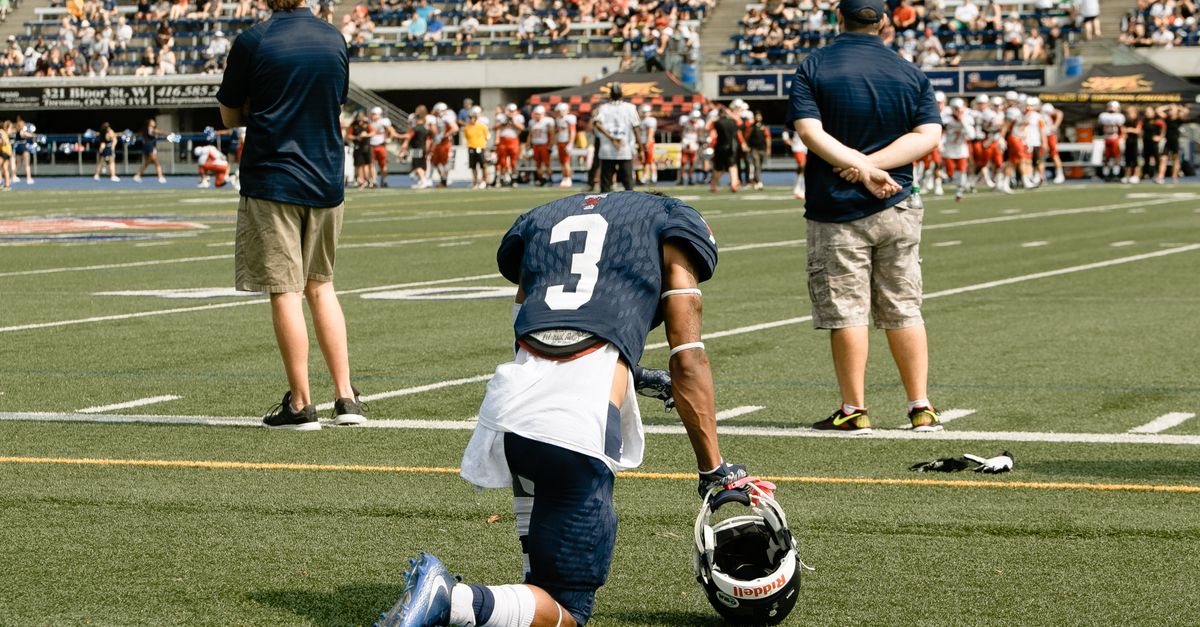
- Colin Kaepernick: Kneel or stand?
- Lance Armstrong: Confess or lie?
- Pete Rose: Bet or abstain?
Why Your Favorite Athlete Is Actually a "Or:" Machine
Let's get nerdy for a second. In game theory, every play is a decision tree. But in real sports, it's not about probabilities—it's about pressure. I've interviewed former athletes, and they all say the same thing: the ball comes to you, and you have a fraction of a second to decide. Pass or shoot? Foul or let them score? Trust your teammate or go solo?
Michael Jordan didn't just have a killer instinct. He had a "or:" processor in his brain that ran faster than anyone else's. When the game was on the line, he saw two paths: "I take the shot and miss, and everyone blames me or I take the shot and make it, and I'm the hero." He chose the latter 90% of the time. That's not talent. That's a neurological bias toward action.
Here's a list of the most famous "or:" moments in sports history:
- The Shot (1989): Michael Jordan hits "The Shot" over Craig Ehlo. The "or:" was: pass to an open teammate or take the contested jumper. Jordan chose himself. The Bulls won the series.
- The Immaculate Reception (1972): Franco Harris catches a deflected ball. The "or:" was: let it drop or lunge for it. He lunged. The Steelers got their first playoff win.
- The Miracle on Ice (1980): The U.S. hockey team faces the Soviet Union. The "or:" was: play it safe or go for broke. Herb Brooks chose aggressive offense. We all know how that ended.
The Hidden "Or:" That Sabotages Every Comeback
Here's the dark side of "or:" that no one talks about: the false binary. Sports media loves to frame every game as "win or lose," "champion or choker." But that's a trap. Real athletes know there's a third path—the and. You can play well and lose. You can make a mistake and still be great.
I've found that the most successful teams avoid the "or:" trap altogether. Look at the San Antonio Spurs under Gregg Popovich. They didn't ask, "Do we win or develop young talent?" They asked, "How do we win while developing talent?" That's the "and" mindset. It's boring. It doesn't make headlines. But it wins championships.
The "or:" becomes toxic when it's absolute. A quarterback throws an interception in the first quarter. The announcer says, "This is a turning point. Either he bounces back or he crumbles." That's nonsense. It's one play in a 60-minute game. But the narrative sticks, and the player starts believing it. Then the "or:" becomes self-fulfilling.
Tom Brady was the master of ignoring the "or:" narrative. Down 28-3 in Super Bowl LI? The media screamed, "It's over or he's a legend if he comes back." Brady didn't hear it. He just played the next down. He treated the game as a series of small "and" choices—complete this pass and move the chains. The "or:" was irrelevant.

The "Or:" That Decides Your Favorite Team's Future (Right Now)
Let's bring this to the present. Every franchise is facing an "or:" moment this season, whether they know it or not. Here's a quick breakdown of the biggest ones:
- Dallas Cowboys: Stick with Dak Prescott or rebuild? The "or:" is brutal because both options are painful. Dak is good but not elite. A rebuild means years of losing. The Cowboys are paralyzed by this choice, and it shows in their playoff performances.
- Golden State Warriors: Ride with Curry, Thompson, and Green until they retire or trade them for young assets? The "or:" is existential. Do you honor the dynasty or prepare for the future? There's no right answer, only a choice.
- Manchester City (after the 115 charges): Fight the charges or accept punishment? The "or:" could reshape European football. City's owners are choosing to fight, but the "or:" will haunt them for years.
I'll be honest: I've stopped rooting for teams that make bad "or:" choices repeatedly. The Chicago Bulls haven't made a good "or:" decision since the 1990s. They keep choosing mediocrity
or tanking, never greatness. And I'm tired of it. Maybe you are too.How to Use "Or:" to Win Your Own Games
You're not a pro athlete. Neither am I. But we all face "or:" moments in our own lives—at work, in relationships, in our hobbies. Sports just gives us a clean lens to see the pattern.
Here's my personal framework for handling "or:" moments, borrowed from the best athletes:
- Pause for 0.5 seconds. The "or:" feels urgent, but it rarely is. A half-second pause lets your brain override panic. Jordan did it. Brady did it. You can too.
- Ask: Is this a real binary? Most "or:" choices are false. You can often find a third option—the

The Final "Or:" That Defines Sports Itself
Here's the thought that keeps me up at night:
Sports are ultimately meaningless or they are the most meaningful thing we have.We spend billions on games. We cry when our team loses. We idolize people who throw balls. Is that insane
or is it beautiful? I've gone back and forth on this for years.I've settled on this: the "or:" is the point. The uncertainty, the choice, the tension—that's what makes sports worth watching. If every game had a guaranteed outcome, nobody would care. The "or:" creates the drama. It creates the stories we tell our kids. It creates the moments that define generations.
So next time you watch a game, pay attention to the "or:" moments. The quarterback staring down the defense. The shooter at the free-throw line. The coach deciding whether to go for it on fourth down. Those are the real plays. Not the touchdowns or the buzzer-beaters. The choices
before them.Because in the end, every athlete, every fan, and every human being faces the same "or:": Do we live
or* do we just exist? Choose wisely.