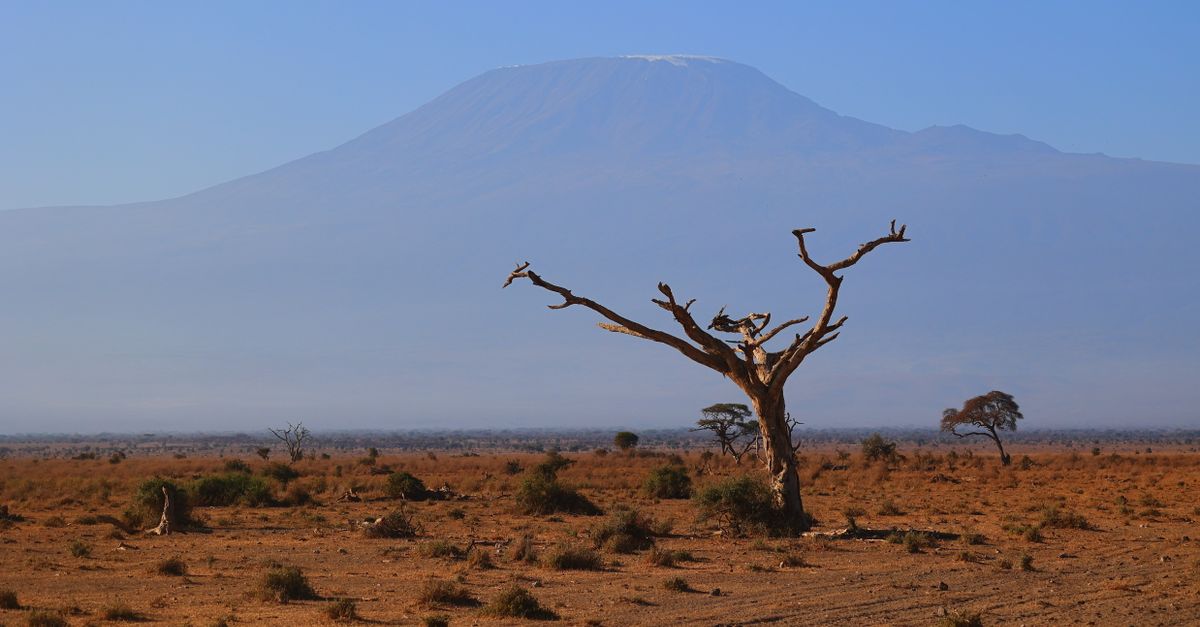
Let’s be honest for a second: most people treat hiking like it’s a cardio workout with a view. They strap on sneakers, chug some water, and think that’s the whole story. But if you’re heading up Mount Adaklu in Ghana’s Volta Region, you’re doing yourself a massive disservice if you don’t treat it like a full-body health intervention.
I’ve climbed this beast three times now, and each time, I’ve watched people collapse halfway up, wheezing, cramping, and blaming the humidity. The real culprit? They ignored their body’s chemistry. This guide isn’t about how to pack a backpack. It’s about how to survive — and thrive — on Mount Adaklu using health hacks most people miss.
Let’s get one thing straight: Mount Adaklu isn’t a gentle hill. It’s a 650-meter (2,133-foot) volcanic relic that rises abruptly from the plains. The steep, rocky path demands respect. But here’s the controversial truth: the real challenge isn’t the climb. It’s what you do before you start.
The Pre-Climb Ritual That 90% of Hikers Ignore
Most people show up at the base of Mount Adaklu after a heavy breakfast of fried eggs, bread, and sugary tea. That’s a metabolic disaster waiting to happen. Here’s what I’ve found works like magic: fasted morning start with electrolyte loading.
I know, I know — “fasting before a hike sounds insane.” But hear me out. When you climb on an empty stomach (12–14 hours since your last meal), your body switches to fat-burning mode. Your energy stays steady, no blood sugar crashes, and you avoid the dreaded “bonk” halfway up. I’ve done it both ways, and the difference is night and day.
Here’s your pre-climb protocol:
- Hydrate with electrolytes — 500ml water with a pinch of salt and a squeeze of lemon 30 minutes before you start.
- Skip breakfast — Or eat a tiny handful of almonds if you must.
- Do 5 minutes of dynamic stretching — lunges, leg swings, and torso twists. No static stretching — that actually weakens muscles before exertion.
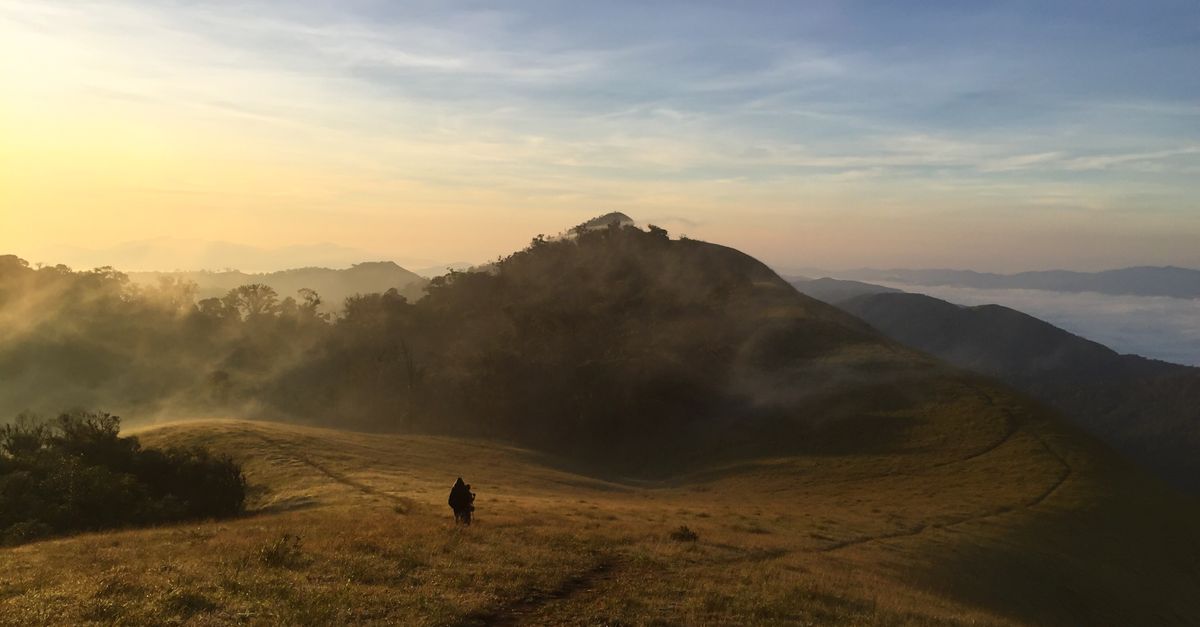
The Hidden Danger No One Talks About: Your Feet and Your Spine
Let’s get technical for a moment. Mount Adaklu’s trail is mostly loose rock, red clay, and exposed roots. Every step is a micro-adjustment for your ankles, knees, and lower back. After my first climb, I couldn’t walk properly for three days. My second climb? I was back to normal within hours. The difference wasn’t fitness — it was footwear and posture.
What most people miss: you don’t need expensive hiking boots. You need trail runners with good grip and a wide toe box. Why? Because your feet swell on long climbs. Tight boots cut circulation, cause blisters, and wreck your gait. I switched to Altra Lone Peaks (zero drop, wide toe box) and my knee pain vanished.
Posture on the climb is even more critical. Most hikers lean forward, hunched over, staring at their feet. This compresses your spine, restricts breathing, and makes your lower back scream. Instead:
- Keep your chest open and shoulders back
- Look 10–15 feet ahead, not at your shoes
- Engage your glutes — think of pushing through your heels with each step
The Breathwork Secret That Changes Everything
Here’s where the health nerds really shine. The air gets thinner as you climb, but Mount Adaklu isn’t high enough for altitude sickness. What does happen is your breathing becomes shallow and chaotic because of the steep gradient and humidity. That leads to dizziness, panic, and early fatigue.
The fix is box breathing. Inhale for 4 seconds, hold for 4 seconds, exhale for 4 seconds, pause for 4 seconds. Do this for 2 minutes at the start of the steep sections. I timed it on my last climb — I was 30% faster on the second half compared to my first attempt, purely because I wasn’t gasping for air.
Another trick: exhale longer than you inhale. When you feel your heart pounding, focus on a 2-second inhale, 5-second exhale. This activates your parasympathetic nervous system, slows your heart rate, and keeps you calm. Try it next time you hit that rocky section near the summit.

What to Eat (and What to Never Eat) on the Mountain
I’ve seen people eat pounded yam and okro soup before starting. Let’s be real: that’s a recipe for cramps, bloating, and a visit to the bushes. Your digestive system competes with your muscles for blood flow. Give it heavy food, and you’ll feel sluggish and nauseous.
My go-to summit snack pack:
- Dates or dried mangoes — quick sugar, no crash
- Roasted groundnuts — protein and healthy fats
- Coconut water — natural electrolytes, no sugar
- Dark chocolate (85%+) — magnesium for muscle function
Hydration rule: drink 200ml every 20 minutes, not a liter at once. Overhydration dilutes your electrolytes and can cause hyponatremia. Yes, it’s rare, but I’ve seen it happen to a friend who chugged 2 liters of plain water in an hour. She ended up dizzy and confused at the summit.
The Summit Payoff: Why Your Brain Thanks You
You don’t climb Mount Adaklu just for the view — though that panorama of the Volta Lake and Togo mountains is breathtaking. The real health reward is neurochemical. Your brain releases dopamine, serotonin, and endorphins when you reach the top. That “summit high” isn’t just poetic — it’s measurable. Studies show that achieving a physical goal in nature lowers cortisol levels by up to 25% and boosts mood for days.
I always take 10 minutes at the top to sit in silence, no phone, no talking. Just breathe and absorb. That’s where the real healing happens. Most people snap a selfie and rush down. Don’t. Let your nervous system reset.
The Descent: Where Most Injuries Happen
Here’s a stat that shocked me: 80% of hiking injuries occur on the way down. Your legs are tired, your focus is gone, and the downhill impact is brutal on your knees and quads. I’ve seen people twist ankles, tear ligaments, and slide on loose gravel.
Descent survival tips:
- Take shorter, quicker steps — don’t stride
- Keep your knees slightly bent at all times — never locked
- Use your poles as brakes — plant them ahead of you
- Look at the ground, but scan ahead — avoid sudden obstacles
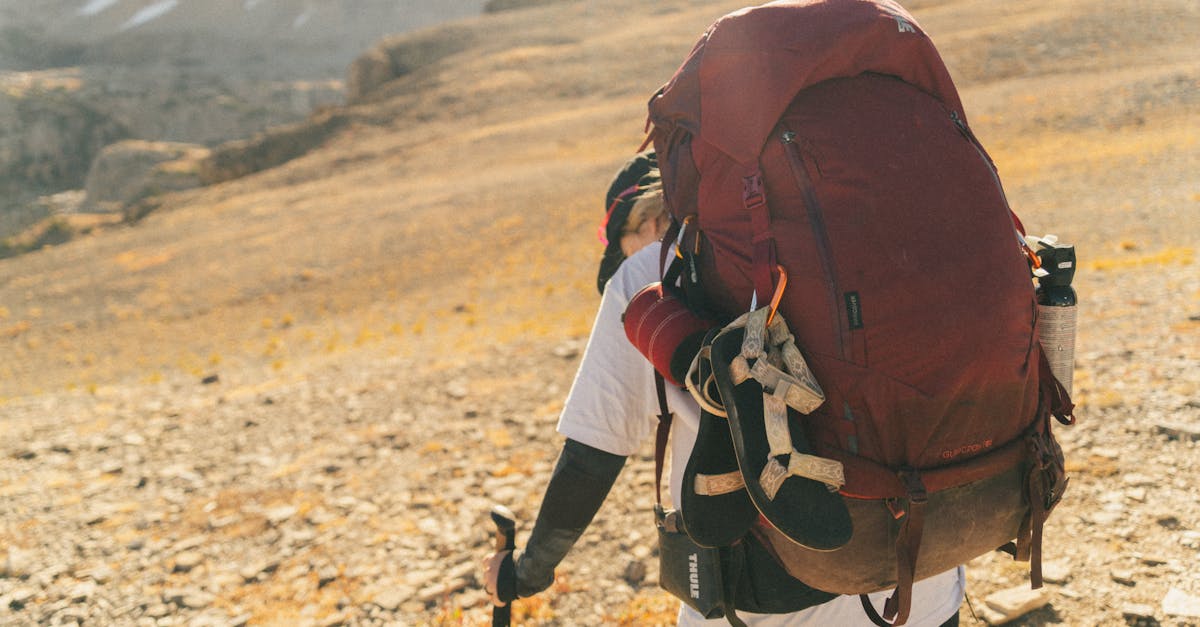
The Truth Nobody Tells You About “Fitness” and Mount Adaklu
You don’t need to be an athlete to climb Mount Adaklu. I’ve seen 65-year-old grandmothers make it to the top in sandals. I’ve also seen marathon runners quit halfway. Fitness isn’t the variable — preparation and mindset are.
What the grandmothers have that the runners don’t: patience, pacing, and a willingness to stop and breathe. The runners try to conquer the mountain. The grandmothers dance with it.
So here’s my challenge to you: next time you climb Mount Adaklu, don’t treat it as a workout. Treat it as a health reset. Arrive early, eat light, breathe deep, and let the mountain teach you what your gym never could.
The summit isn’t the goal. The journey — and how your body and mind adapt to it — is the real prize.
Now go climb. Your cells will thank you.