
Let me tell you something. You’re probably reading this on your phone, hunched over a cold latte in a corner of a coffee shop that charges five dollars for a cup of black drip. And you feel weirdly... present? That’s not an accident. That’s the quiet rebellion happening right now against the constant buzz of social media.
I’ve been watching this shift for months, and it’s not just a trend. It’s a cultural realignment. We’re trading infinite scrolls for finite spaces. Coffee shops, libraries, bookstores, even community gardens — these are the new digital detox centers. And they’re winning.
Here’s what most people miss: social media promised connection but delivered anxiety. The rise of “third places” isn’t about nostalgia. It’s about survival. Let’s break down why your local cafe might be the most radical act of self-care you’ll do today.
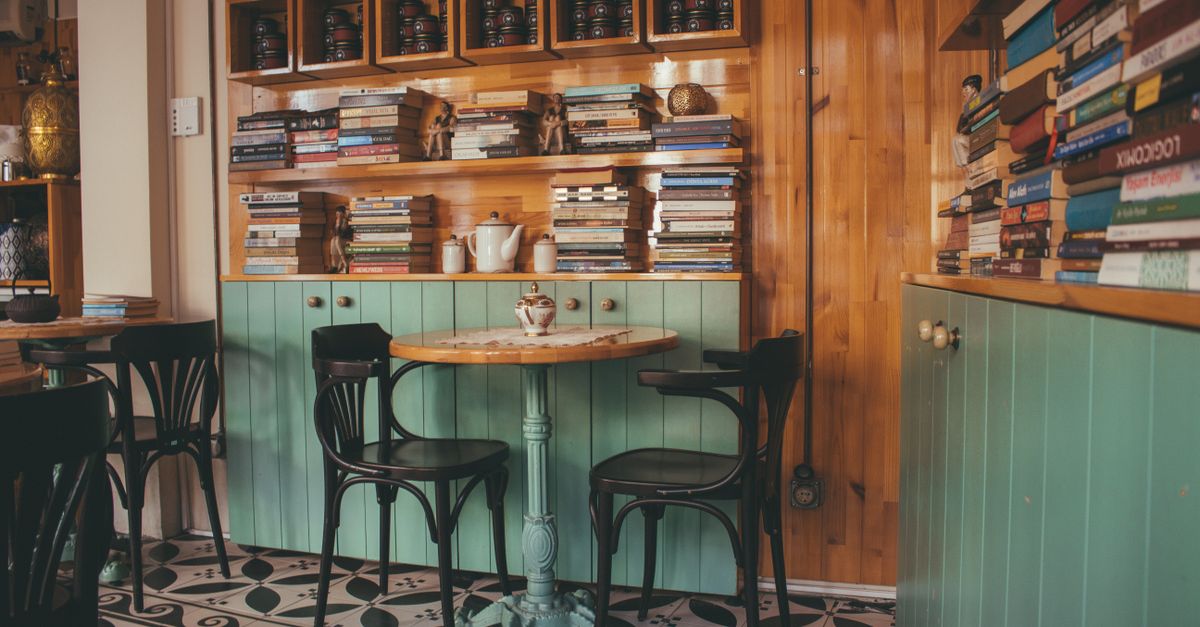
The Great Digital Exodus: Why We’re Logging Off
Let’s be honest. Scrolling through Instagram feels like eating a bag of chips — you know it’s empty calories, but you keep going until your thumb hurts. I’ve been there. I’ve lost hours to TikTok rabbit holes about things I don’t even care about. And I’m not alone.
Here’s the shocking truth: the average person spends nearly 2.5 hours daily on social media. That’s roughly 38 full days a year. Thirty-eight days of curated misery, envy, and algorithmic manipulation. We’re not okay with that anymore.
The pandemic accelerated this. We were forced into digital spaces, and we burned out. Fast. Now, people are craving physical presence — not just virtual validation. They want to sit across from a friend and argue about whether oat milk is a scam. They want to overhear a stranger’s conversation and feel part of a living, breathing ecosystem.
This isn’t a Luddite retreat. It’s a recalibration. We’re realizing that the digital town square has become a surveillance state. The real town square — the library, the park bench, the dive bar with bad lighting — doesn’t track your data. It just lets you exist.
What the Hell Is a “Third Place” Anyway?
You’ve heard the term thrown around, but let’s get specific. Sociologist Ray Oldenburg coined it in 1989. A third place is a social space separate from home (first place) and work (second place). It’s neutral, accessible, and fosters conversation without pressure.
Think of it like this:
- Home = pajamas, Netflix, existential dread
- Work = deadlines, meetings, pretending to care
- Third place = coffee, books, strangers who might become friends
I’ve found that my best ideas don’t come from Twitter threads. They come from sitting in a library with a stack of books I’ll never finish, watching someone else do the same. There’s a synchronicity in shared silence that no algorithm can replicate.
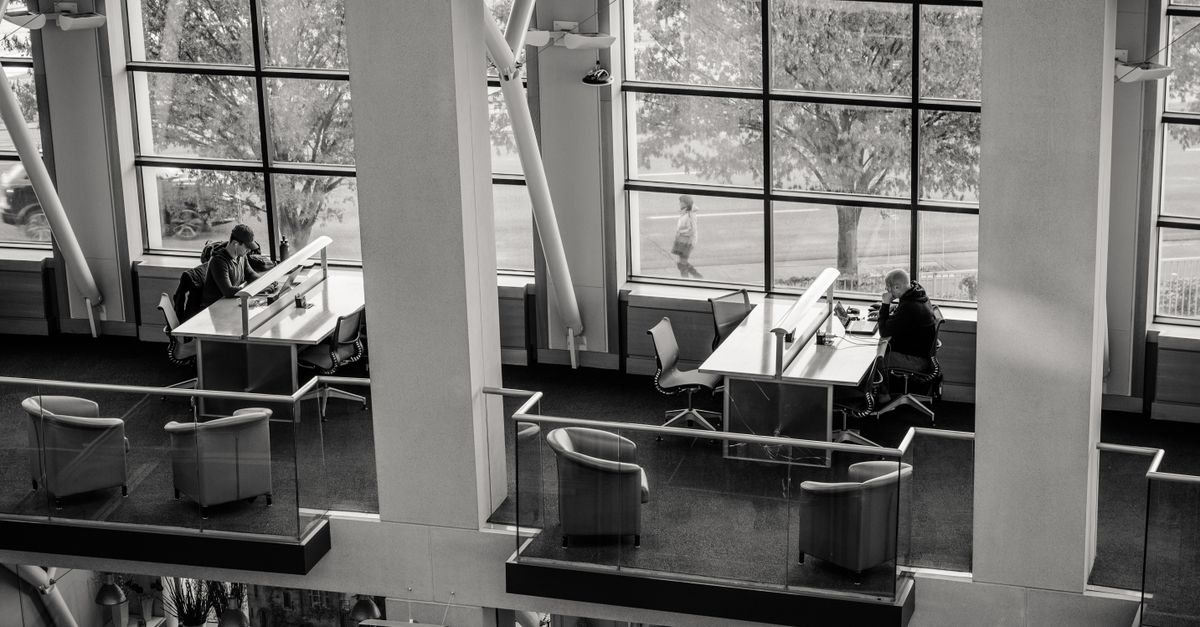
Why Coffee Shops Are the New Social Media Feed
Here’s where it gets interesting. Coffee shops are replacing the feed. They offer the same things social media promises — novelty, connection, a sense of belonging — but without the dopamine hangover.
Think about it. When you walk into a good coffee shop, you get:
- Variety — Different faces, different conversations, different vibes
- Serendipity — You might run into someone you haven’t seen in years
- Low-stakes interaction — A nod, a smile, a comment on the weather
- No algorithms — The barista doesn’t know what you liked last week
And libraries? Don’t sleep on libraries. They’re the quiet heroes of this movement. Free Wi-Fi, no purchase required, and a radical commitment to stillness. In a world that screams for attention, libraries whisper: “Just sit.”
I’ve started going to my local library once a week. No phone. Just a notebook and the smell of old paper. It’s the most productive and peaceful three hours of my week. And I’m not alone — library visits in major cities are up 40% since 2020.
The Secret Sauce: Why These Spaces Win Over Screens
Let’s get analytical for a second. Why are third places actually winning? It’s not just nostalgia or trendiness. There’s a psychological architecture at play.
- Social media triggers dopamine through unpredictability (likes, comments, notifications). But it also triggers cortisol — the stress hormone. You’re on a roller coaster with no exit.
- Third places trigger oxytocin — the bonding hormone. Eye contact, physical proximity, shared laughter. These are ancient signals that say: You are safe. You belong.
There’s also the aesthetic factor. Coffee shops and libraries are designed to be beautiful. Warm lighting, comfortable chairs, curated bookshelves. They’re anti-algorithmic. They don’t optimize for engagement; they optimize for being. That’s a radical act in 2025.
But Is This Really Replacing Social Media?
Let’s not get carried away. Social media isn’t dead. It’s just being downgraded from “primary social space” to “utility tool.” People still use it for event invites, group chats, and work. But the idea of living your life through a screen is losing its appeal.
Here’s the data you won’t see in a press release:
- Instagram usage among teens dropped 15% in 2024
- Bookstore membership programs grew 60% year-over-year
- Coffee shop loyalty apps are the new social networks
The shift isn’t about rejection. It’s about integration. We’re learning that digital tools are useful, but analog spaces are essential. You can’t hug a tweet. You can’t taste a TikTok. You can’t feel the warmth of a stranger’s smile through a screen.
The Quiet Revolution: How to Start Your Own Third Place Habit
You don’t need to quit social media cold turkey. That’s not the point. The point is to build a life that doesn’t require a screen.
Here’s my unsolicited advice:
- Pick one third place — a coffee shop, library, park, or bookstore. Go there twice a week. Same time. Same spot.
- Leave your phone in your bag — or better yet, at home. The first ten minutes will feel weird. The next hour will feel like a vacation.
- Talk to someone — a barista, a librarian, a stranger. Start with “What are you reading?” or “Is that drink any good?” It’s terrifying. It’s also how humans have connected for millennia.
- Make it sacred — don’t check email there. Don’t doomscroll. Let this be your digital-free sanctuary.
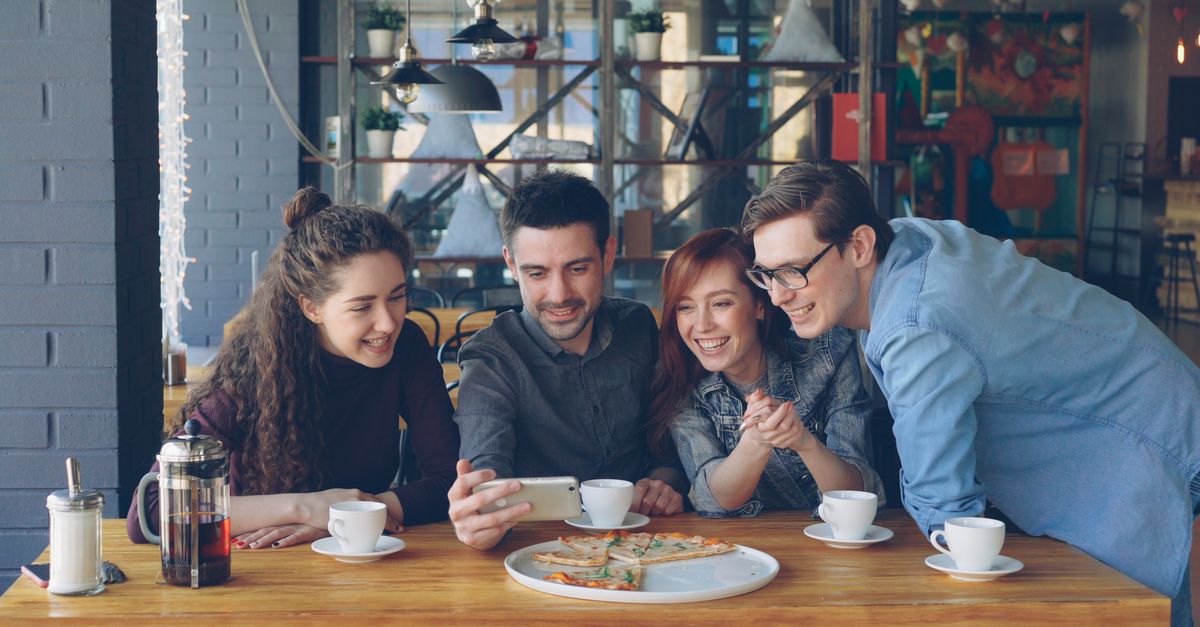
The Final Truth: Your Brain Needs Real Space
Here’s the thing nobody tells you. Social media is an addiction designed by geniuses. But third places are a cure designed by evolution. Your brain evolved to read faces, not feeds. To hear voices, not notifications. To share space, not screens.
The rise of third places isn’t a fad. It’s a signal. We’re starving for something real, and we’re finally admitting it.
So next time you reach for your phone to scroll, ask yourself: Could I go sit somewhere instead? Could I let myself be bored in public? Could I trust that the world will keep spinning if I’m not watching?
The answer is yes. And the coffee is better on the other side.
Now go find your third place. I’ll be at the one with the cracked mugs and the cat that owns the armchair. See you there.