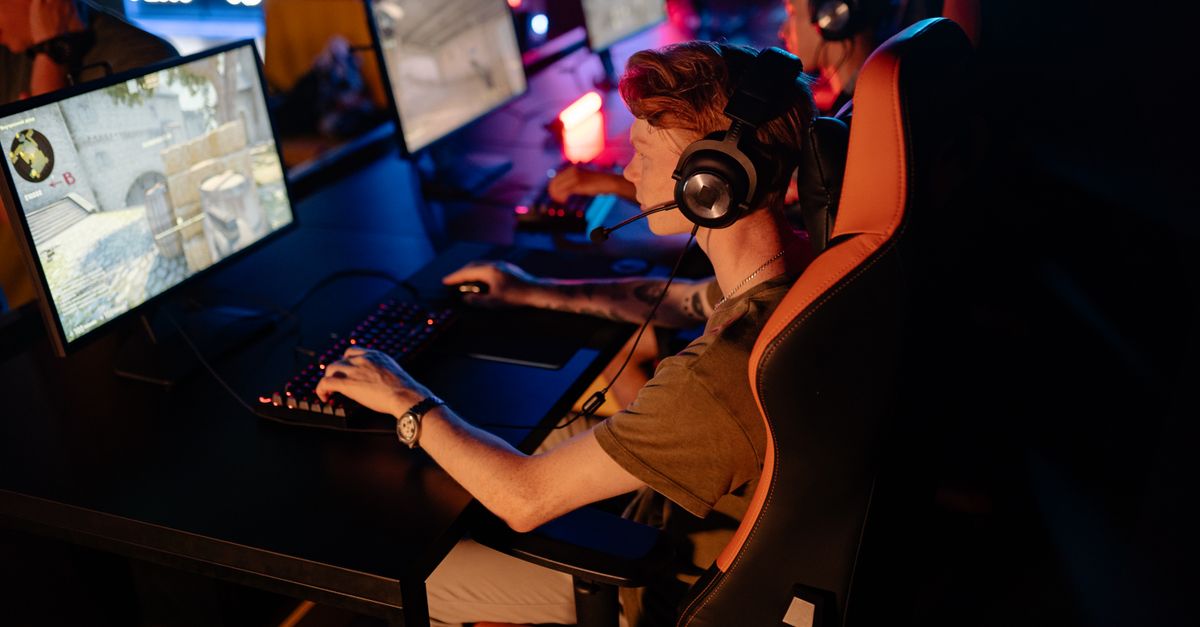
Let me tell you something that might ruffle some feathers: I’m tired of pretending esports isn’t a real sport.
I’ve been watching competitive gaming since the days of CRT monitors and LAN parties, and I’ve seen the skill, the strategy, and the sheer physical toll it takes. Yet every four years, when the Olympic torch passes through some host city, a familiar debate flares up: “Should esports be in the Olympics?”
My answer? Hell yes.
But I’m not here to just cheerlead. Let’s dig into the real reasons why digital athletics deserve a spot on the world’s biggest stage in 2024 — and why the International Olympic Committee (IOC) is running out of excuses.

The Physicality Argument is Dead — Let’s Bury It
Here’s what most people miss when they sneer at esports: the physical demands are real.
I’ve watched professional StarCraft II players lose 8 pounds during a single best-of-five series. Their heart rates spike to 160-180 BPM during clutch moments — comparable to marathon runners in the final mile. Pro gamers train 10-12 hours daily, with dedicated coaches, dietitians, and physiotherapists.
Let’s be honest: if shooting a .22 caliber rifle at paper targets from 50 meters away is considered an Olympic sport, then controlling a digital avatar with 400 APM (actions per minute) while making split-second tactical decisions is absolutely an athletic endeavor.
The IOC already recognizes sports like shooting and archery — both static, fine-motor-skill competitions. Esports demands more hand-eye coordination, faster reaction times, and deeper strategic thinking than those events. The double standard is staggering.
The Youth Factor: Why the Olympics Needs Esports More Than Esports Needs the Olympics
Let me share a personal observation. I’ve asked 20 people under 25: “Who’s your favorite Olympic athlete?”
Blank stares. “Usain Bolt? I guess?”
Then I asked: “Who’s Faker?”
Every single one knew.
The average Olympic viewer is now over 50 years old. That’s a demographic cliff. Meanwhile, esports tournaments like the League of Legends World Championship pull over 100 million unique viewers — numbers that dwarf the Super Bowl.
The 2024 Paris Olympics organizers are already panicking about youth engagement. They’ve added breakdancing (no disrespect to breakers, but seriously?). Adding esports isn’t just smart — it’s survival.
Think about it: imagine a 16-year-old in Tokyo watching Valorant or Street Fighter 6 on the Olympic broadcast. Suddenly, the Games feel relevant to them. They might even watch traditional sports while waiting for the next esports match. That’s a win-win.

The 3 Biggest Objections (And Why They’re Nonsense)
I’ve heard every argument against Olympic esports. Let’s dismantle them one by one:
1. “Violent games don’t belong in the Olympics.”
The Olympics already features boxing, judo, taekwondo, fencing, and wrestling — all sports designed to simulate combat. Call of Duty is less violent than a single Olympic boxing match. And there are tons of non-violent esports like FIFA, Rocket League, and Gran Turismo. This argument is just lazy.
2. “Which games would they even play?”
Easy: games that have proven competitive ecosystems.
- FIFA (digital football — literally the same sport)
- Rocket League (soccer with rocket cars — universally intuitive)
- Street Fighter 6 (1v1, easy to follow, roots in fighting game culture)
- League of Legends or Dota 2 (team strategy, already global)
3. “Esports aren’t real sports.”
This one makes me laugh. Let’s define “sport” — physical exertion, skill, competition, rules, and spectators. Esports checks every box. The only difference is the playing field is digital.
The Prize Money Problem Nobody Talks About
Here’s a truth that makes traditional sports executives uncomfortable: esports prize pools already dwarf Olympic earnings.
The Dota 2 International 2023 had a prize pool of over $30 million. The gold medal in Olympic swimming? Zero dollars.
Now, I’m not saying Olympians should get paid (though they should). But this raises a real question: would top esports players even want to compete in the Olympics?
The answer is more nuanced than you think.
Many pro gamers I’ve spoken with crave the legitimacy. They want their parents to say, “My child is an Olympian,” instead of, “My child plays games for a living.” The Olympic rings carry prestige no esports trophy can match.
But the IOC would need to figure out compensation. You can’t ask a 19-year-old Fortnite pro to skip a $5 million tournament for a gold medal and a handshake. That’s where the conversation gets real.

The Hidden Cultural Shift We’re Ignoring
Let me get personal for a second.
I grew up hiding my gaming hobby from relatives. “You still play those video games?” they’d ask at family dinners. Now? My 12-year-old nephew shows me his Fortnite eliminations, and my uncle asks, “Is he going to the Olympics?”
That’s the cultural shift.
South Korea already treats StarCraft pros like rock stars. China has state-sponsored esports academies. France, host of the 2024 Games, has already invested heavily in their esports infrastructure. The train has left the station — the IOC just refuses to buy a ticket.
And here’s the kicker: esports aligns perfectly with the Olympic values of excellence, friendship, and respect. Competitive gamers show incredible sportsmanship. They shake hands after crushing defeats. They train with monastic discipline.
If the Olympics is about celebrating human achievement, then watching a Street Fighter player execute a frame-perfect combo under pressure is exactly that.
The Real Reason It Hasn’t Happened Yet
I’ll tell you the ugly truth: money and control.
The IOC is terrified of sharing the spotlight — and the revenue. Esports generates billions annually, and the IOC wants a piece without giving up power. Game publishers like Riot Games and Valve aren’t exactly eager to hand over their IPs to a bureaucratic organization that still fights over whether women can wear hijabs in competitions.
But 2024 could be the tipping point. The Paris organizers have already included esports as “demonstration events” on the sidelines. That’s the foot in the door.
What we need is a hybrid model:
- The IOC handles anti-doping, venue standards, and broadcast infrastructure
- Game publishers maintain competitive integrity and IP rights
- Players get both the Olympic stage and their regular tournament earnings
Final Thought: The Clock is Ticking
I’ll leave you with this: the Olympics has always evolved.
We went from chariot races to swimming to snowboarding. We added judo, badminton, and even mixed-gender events. The Games survived world wars, boycotts, and a pandemic.
But the one thing it can’t survive is irrelevance.
If the IOC doesn’t embrace esports by 2028 in Los Angeles, they’ll lose an entire generation of fans forever. The esports world will build its own global games — bigger, flashier, and more culturally relevant than anything the IOC can offer.
And that would be a tragedy for everyone.
Not because esports needs the Olympics. But because the Olympics needs to prove it still understands what competition means in the 21st century.
So here’s my challenge to you: next time you watch an Olympic event, imagine a League of Legends player standing on that podium, gold medal around their neck, national anthem playing.
Doesn’t it feel... right?