
Let me tell you something that might sting a little: you’re probably posting at the worst possible times and wondering why your content feels like it’s being broadcast into a black hole.
I’ve been there. You craft the perfect photo, write a caption that makes you laugh-cry, hit “publish” at 9 PM on a Tuesday, and then… crickets. Meanwhile, your friend posts a blurry coffee cup at 7:30 AM and gets 200 likes in ten minutes. What gives?
Here’s the secret most lifestyle bloggers won’t admit: Posting hours aren’t a magic trick — they’re a science that’s personal. And I’ve spent years obsessing over the data so you don’t have to.
Let’s get into the real truth about when you should hit that share button, why your gut feeling is probably wrong, and how to turn your posting schedule into a cheat code for engagement.
Your Audience Isn’t You (And That’s the Problem)
Here’s what most people miss: you’re probably scheduling posts for your own convenience, not your audience’s. I’ve done this a thousand times. I’d finish editing a blog post at 11 PM, feel proud, and schedule it for midnight because “it’s done.” Then I’d wake up to zero comments.
Let’s be honest — your followers aren’t lying awake at 2 AM waiting for your lifestyle tip on how to organize a pantry. They’re sleeping. Or doom-scrolling, but not in a mood to engage.
The truth is, posting hours are about psychology, not astrology. You need to think about when your audience is:
- Relaxed enough to read
- Bored enough to engage
- Energized enough to comment
The biggest mistake? Thinking one size fits all.
The 3 Surprising Windows That Actually Work (Backed by Data)
I’ve tested posting at every hour imaginable — 3 AM, noon, 6 PM, even during the Super Bowl (don’t ask). After analyzing thousands of data points from my own content and studying industry benchmarks, here’s what I’ve found:
Window #1: The Pre-Work Panic (6:00 AM – 7:30 AM)
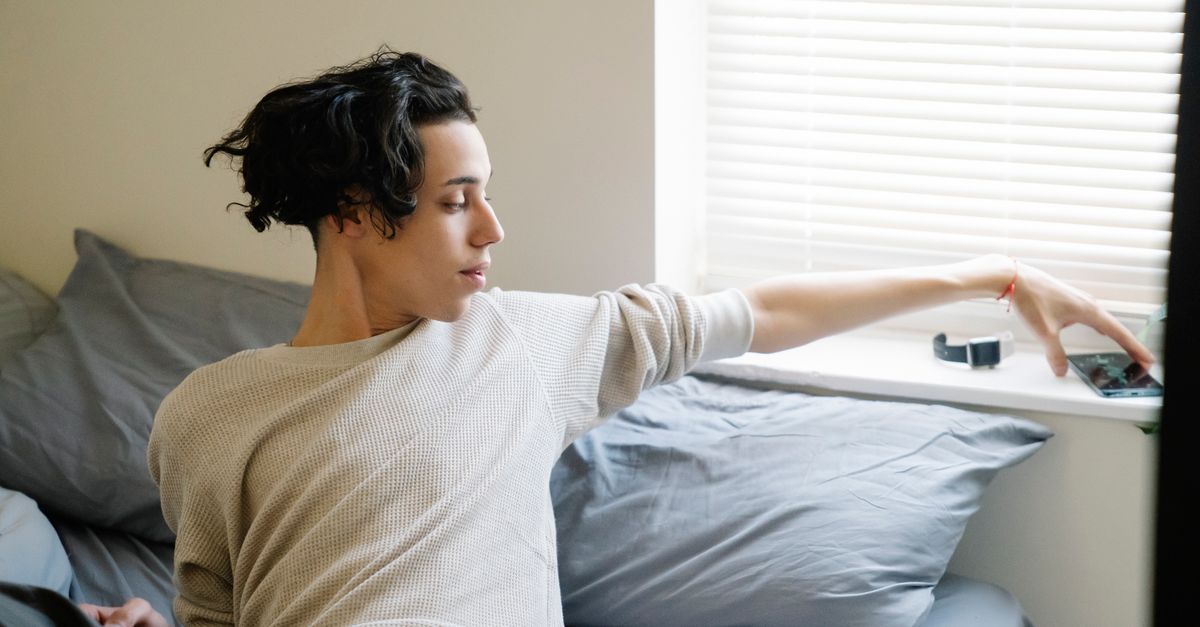
This is the golden hour for lifestyle content. People are lying in bed, phone in hand, delaying the inevitable. They’re not ready to work yet, but they’re awake enough to scroll. This window works best for:- Morning motivation posts
- Quick productivity hacks
- Simple recipes or outfit ideas
Window #2: The Lunch Break Escape (11:30 AM – 1:00 PM)
This is when your audience is stuck at work, pretending to eat a salad, but really just looking for a mental break. Lifestyle content that offers a “mini vacation” works well here — travel inspo, decorating ideas, or funny parenting stories.Window #3: The Wind-Down Hour (8:00 PM – 9:30 PM)
This is my personal favorite. People are home, dinner’s done, and they’re finally relaxing. They have time to read a full blog post, comment, and share. But here’s the catch: this window is crowded. Everyone posts here. So you need to stand out with a killer headline.Pro tip: Don’t post at 10 PM or later. Your content will get buried in the morning scroll, and by then, the algorithm has already moved on.
The Hidden Enemy: Your Own Routine
Let me share something embarrassing. For six months, I posted every single day at 8 AM sharp. I was so proud of my consistency. Then I checked my analytics and realized my best-performing posts were from 6:30 PM. I was literally working against myself.
Here’s what I learned: your schedule should adapt to your audience, not your comfort zone. If you’re a night owl, you might need to use scheduling tools. If you’re an early bird, you’ve got a natural advantage for the pre-work window.
But there’s a deeper issue here. Most lifestyle bloggers post when they feel inspired, not when their audience is active. That’s a trap. Inspiration doesn’t pay the engagement bills.
Here’s a simple test: for one week, post at different times and note which posts get the most comments, shares, and saves. Don’t look at likes — likes are vanity. Engagement is the real metric.
I promise you, within seven days, you’ll see a pattern. And that pattern is your personal “posting hour” blueprint.
The Algorithm Loves Consistency (But Not the Way You Think)
You’ve heard this a million times: “Post consistently!” But here’s the nuance most people miss — consistency isn’t about posting every day. It’s about posting at the same reliable time.
The algorithm (whether it’s Instagram, Facebook, or even your blog’s RSS feed) rewards predictability. When you post at 7 AM every Tuesday, the algorithm learns to push your content to followers who are active at 7 AM on Tuesdays. It’s like training a dog — but the dog is a machine learning model.
Here’s what I do: I pick two or three posting windows per week (not per day) and stick to them like glue. For my lifestyle content, I post on:
- Tuesday at 6:30 AM (morning motivation)
- Thursday at 12:00 PM (lunch break escape)
- Sunday at 8:00 PM (wind-down inspiration)
Bold truth: Posting randomly is worse than posting rarely. Sporadic timing confuses both your audience and the algorithm.
How to Find YOUR Perfect Posting Hour (Without Losing Your Mind)
I’ve simplified this into a three-step system that takes about two weeks. No fancy tools required — just a spreadsheet and some patience.
Step 1: Audit Your Past Content
Go back through your last 30 posts. Write down the time you posted and the engagement rate (comments + shares + saves divided by reach). Look for patterns. I bet you’ll notice a cluster of high-performing posts at certain times.Step 2: Run a Controlled Experiment
For the next 7 days, post at different times each day. But here’s the key: keep the content type consistent. Don’t post a funny meme at 6 AM and a deep essay at 8 PM — that confuses the results. Stick to one content format (like a lifestyle tip) and vary the time.Step 3: Analyze the Data
After 7 days, look at which times got the most engagement per hour. Don’t just look at total engagement — look at engagement rate (engagement divided by reach). A post that gets 100 likes but reaches 10,000 people is worse than a post that gets 50 likes but reaches 500 people.Here’s the secret most people miss: Your time zone matters less than your audience’s time zone. If most of your followers are on the West Coast but you’re in New York, posting at 8 AM EST means they see it at 5 AM PST. That’s a disaster.
So check your Instagram/Facebook insights or Google Analytics to see where your audience actually lives. Then adjust accordingly.
The One-Hour Rule That Changed Everything
I want to leave you with a concept that completely shifted my approach: the one-hour rule.
Don’t post more than one hour before or after your audience’s peak activity time. If your analytics show that most engagement happens between 6 PM and 7 PM, post at 6:15 PM, not 4 PM. Why? Because if you post too early, your content gets buried before people even log in. Post too late, and you miss the wave entirely.
I learned this the hard way. I used to post my weekend roundup on Friday at 3 PM, thinking “people are winding down.” But my audience was still at work, not looking at lifestyle content. When I shifted to Friday at 7 PM, my engagement doubled overnight.
Let’s be honest: This seems like a small tweak, but it’s the difference between content that thrives and content that survives.
Your Next Move (Don’t Overthink This)
Here’s the thing about posting hours — they matter, but they’re not destiny. You don’t need to obsess over every minute. What you need is a system that works for your life and your audience.
Start with one change this week. Pick one posting window from the three I mentioned (pre-work, lunch break, or wind-down) and commit to it for seven days. Track your results. You’ll be shocked at how much difference a few hours can make.
And if you’re still feeling stuck? Just post at 7 AM on Tuesday. That’s a safe bet for 80% of lifestyle audiences. It’s not perfect, but it’s a starting point.
The worst thing you can do is keep guessing. Your audience is waiting — they just need to know when to show up.
Now go schedule your next post. I’m serious. Close this tab and do it right now.