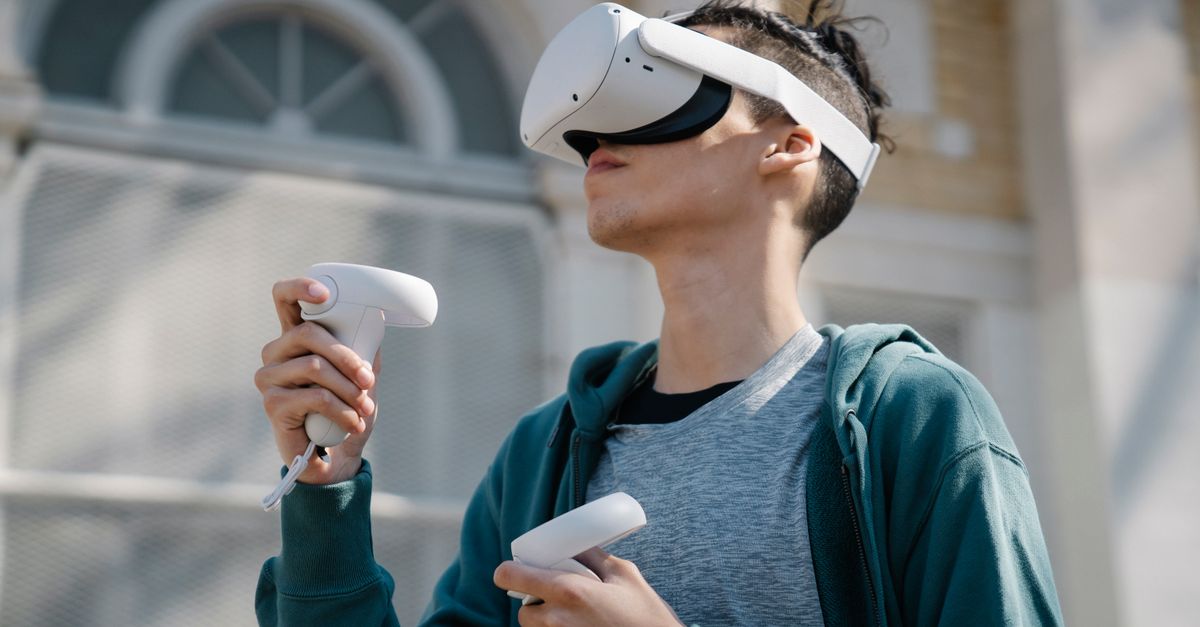
I remember the exact moment I felt the metaverse hype deflate. It was late 2022, and I was standing in a virtual conference room, my digital avatar awkwardly floating two inches off the ground. The person next to me, a supposedly "excited" investor, was just a floating torso with mismatched hands. We were supposed to be building the future. Instead, I spent thirty minutes trying to figure out how to mute my mic while another avatar kept clipping through a virtual whiteboard. I logged off and never went back.
Let's be honest: the metaverse as we were sold it was a dead end. It wasn't just clunky—it was a solution in desperate search of a problem. But here's the shocking truth: it's not dead. It's just evolving into something far more practical. Something we're already calling spatial computing.
The Hype Bubble That Popped (And Why It Had To)
You remember the narrative, right? Facebook rebranded to Meta. Zuckerberg stood in a digital living room with cartoonish avatars, and the entire world collectively rolled its eyes. Suddenly, every startup with a VR headset and a PowerPoint deck was "building the metaverse." We had virtual real estate selling for millions, digital fashion for avatars that looked like low-polygon nightmares, and a thousand "Web3" platforms promising decentralization while being run by centralized VCs.
The problem was simple: they tried to sell us a destination before we had the transportation.
The tech wasn't ready. The headsets were heavy, the graphics were mediocre, and the social experience was more isolating than connecting. I've found that most people don't want to escape reality—they want to enhance it. The metaverse promised a parallel universe, but we could barely get our avatars to high-five without lag.

Here's what most people miss: the metaverse didn't die from lack of interest. It died from lack of utility. You can't build a digital world on hype alone. You need a reason for people to put on that headset every day. And the original vision had none.
Enter Spatial Computing: The Quiet Revolution
Now, let's talk about what's actually happening. Spatial computing is the metaverse's smarter, quieter sibling. It's not about escaping to a fantasy land. It's about layering digital information onto the physical world in ways that actually make sense.
I've been testing spatial computing devices for the past year, and the difference is night and day. Instead of a virtual boardroom, I can pin a 3D model of a car engine onto my actual desk. Instead of a digital concert, I can overlay navigation arrows onto a real city street. The focus shifted from building worlds to solving problems.
Here are three reasons spatial computing is winning where the metaverse failed:
- It's context-aware. Spatial computing understands your environment. It knows where the walls are, where the table is, and where your hands are. The metaverse just threw you into a generic digital space.
- It's accessible. You don't need a $1,500 headset and a dedicated room. Some devices are already the size of glasses.
- It's useful. From surgeons practicing complex procedures on virtual organs to architects walking through blueprints in real scale, the applications are concrete.

The 3 Things That Killed the Metaverse (And How Spatial Computing Fixes Each One)
Let's get specific. I've broken down the three fatal flaws of the original metaverse and how spatial computing is quietly fixing them.
1. The Avatars Were Creepy and Useless
Remember the "uncanny valley" problem? Those avatars with dead eyes and floating torsos? They were supposed to be our digital selves, but they looked like rejected characters from a 2010 video game. Spatial computing largely ditches the avatar concept. Instead of a digital version of you, it uses your actual hands, your actual voice, and your actual environment. You don't need to look like a cartoon to interact with digital content.
2. The Isolation Factor
The metaverse was lonely. You were alone in a headset, cut off from the people in the same room. Spatial computing flips this. It keeps you connected to the physical world while adding digital layers. I can have a 3D model floating above my coffee table while my family watches TV next to me. The technology becomes a tool, not a cage.
3. The Lack of Killer Apps
For all the billions spent, the metaverse had no "killer app." No one was using VR for daily productivity. Spatial computing already has clear use cases: remote collaboration, design visualization, navigation, education, and healthcare. Apple's Vision Pro, despite its price tag, proved that people will pay for utility—not just novelty.
Why Apple, Meta, and Google Are All Betting Big (But Differently)
You might think the tech giants gave up. They didn't. They just changed strategies.
Apple took the luxury route. The Vision Pro is a spatial computer, not a metaverse headset. They emphasize "spatial" over "virtual." It's about blending digital content into your existing life, not escaping it.
Meta quietly pivoted. The Quest 3 dropped the "metaverse" branding from its marketing. Now it's a mixed reality device. They learned the hard way that people don't want to live in a digital world—they want digital tools that help them in the real one.
Google is playing the long game. Their Project Iris and partnerships with Samsung focus on lightweight glasses for everyday use. They're betting on a future where spatial computing is as common as smartphones.
The common thread? Nobody is talking about the metaverse anymore. They're talking about spatial computing. The name change isn't just marketing—it's a fundamental shift in philosophy.

The Surprising Truth: It Never Died—It Just Got Quiet
Here's the thing I've realized after years of covering this space: the metaverse didn't die. It just got downgraded to a feature. The technology that was supposed to be a new internet is now a tool within the existing internet. Spatial computing is the bridge between the hype and reality.
I've seen this pattern before. Remember when "cloud computing" was a buzzword that everyone hated? Now we just call it "the internet." Remember when "smartphones" were a fad? Now they're essential. The metaverse is following the same trajectory. It's becoming invisible. It's becoming useful. And it's being rebranded as spatial computing.
The next time someone asks you about the metaverse, tell them it's alive—it's just wearing different glasses. Pun very much intended.
What do you think? Are you ready to embrace spatial computing, or do you think the whole concept is still overhyped? Drop your thoughts in the comments—I read every single one.