
I remember the exact moment I realized I had been faking confidence for years. It was a Tuesday. I was sitting in a networking event, clutching a warm glass of cheap white wine, nodding along to a guy who was passionately explaining the intricacies of cloud storage. I felt like a fraud. My palms were sweating, my smile was rigid, and inside, my inner monologue was a relentless loop of you don’t belong here, you’re not smart enough, everyone can tell you’re nervous.
Then, I did something weird. I stopped trying to be confident. I stopped trying to project the version of myself I thought everyone wanted to see. Instead, I asked a question. Not a smart one. Not a strategic one meant to impress. I just asked him what his biggest screw-up was in his last project.
He laughed. He told me a story about accidentally deleting a client's entire database. And just like that, the pressure evaporated. I wasn't performing anymore. I was just... talking.
That was the day I stumbled onto the one habit that instantly boosts your confidence—and it has nothing to do with power poses, affirmations, or new outfits.
The Myth of the "Confident Person"
We’ve been fed a lie. We think confidence is a permanent state—a vibe you either have or you don’t. We picture the person who walks into a room, owns the space, and never doubts themselves. Let’s be honest, we’ve all tried to act like that person. We’ve tightened our shoulders, stuck out our chests, and tried to fake it 'til we make it.
Here’s what most people miss: That version of confidence is fragile. It’s a mask. And masks are exhausting to hold up. The second you take a verbal hit or face a tough question, that mask cracks. Your voice wavers. You feel the shame of being "found out."
The real secret? Real confidence isn't about feeling sure of yourself. It’s about being okay with being unsure.

The One Habit That Changes Everything
So, what’s the habit? It’s simple, but it’s hard to do.
The habit is: Ask the "Dumb" Question.
Yes, that’s it. The thing you are most afraid to do in a meeting, on a date, or in a new class—asking for clarification, admitting you don't know, or requesting help—is the very thing that will set you free.
I’ve found that when you ask a question you think is "stupid," you do three powerful things:
- You stop performing. You switch from "trying to look smart" to "trying to understand." This is a massive relief for your brain.
- You invite connection. People love explaining things. When you admit a gap in your knowledge, you humanize yourself. You become relatable. The "expert" in the room suddenly becomes your ally, not your judge.
- You take control. Instead of being a passive recipient of judgment, you become an active participant. You are steering the conversation. That feeling of agency is the foundation of real confidence.
A woman next to me smiled. "I had the same question," she whispered. The speaker thanked me for asking. I instantly felt ten pounds lighter. My confidence didn't come from knowing the answer. It came from the courage to admit I didn't.
Why This Works (The Psychology of Vulnerability)
You might be thinking, Chioma, this sounds terrifying. I’ll look incompetent.
I get it. We are wired to protect our social standing. But there's a psychological principle at play here called the Pratfall Effect. Research shows that people who make a small mistake or admit a flaw are often more likable and perceived as more competent than those who seem perfect.
Why? Because perfection is intimidating. It creates distance. Vulnerability creates trust.
The irony is beautiful: The more you try to prove you're confident, the less confident you appear. The more you admit you're learning, the more confident you actually feel—and look.
Think about the last time you met someone who was arrogant. Did you feel safe? Did you want to help them? No. You probably wanted to take them down a peg.
Now think about the last time you met someone who said, "I'm new to this, so bear with me." You probably felt warm toward them. You wanted to root for them.
How to Start This Habit Today (Without Overthinking It)
You don't need to wait for a big presentation to try this. You can start right now. Here’s your playbook:
- In a meeting: Instead of staying silent, say, "I want to make sure I understand this correctly. Can you walk me through that part again?"
- In a conversation: If you don't know a term, stop the person. "Wait, what does [jargon] mean? I want to be on the same page."
- On a date: If you don't get a joke or a reference, just laugh and say, "I'm totally lost, but I love your enthusiasm. Explain it to me."
- At work: Send an email to a senior colleague. "I'm working on [project] and I'm stuck on [part]. Do you have five minutes to point me in the right direction?"
The Ripple Effect You Didn't Expect
Here is the hidden superpower of this habit. When you start asking "dumb" questions, you give everyone else permission to do the same.
I’ve seen it happen in real-time. One person breaks the ice by admitting they’re confused, and suddenly the whole room exhales. Three other hands go up. The conversation gets better. The problem gets solved faster.
You become a leader not because you have all the answers, but because you create a space where answers can be found together.
That is the ultimate confidence move. Not being the smartest person in the room, but being the person brave enough to say, "I don't know, let's figure it out."
Stop Trying to Be Confident. Start Being Curious.
I used to think confidence was a destination. A finish line. I thought one day I’d wake up and feel bulletproof. I was wrong.
Confidence is not a feeling you wait for. It’s a decision you make in the moment. And the easiest way to make that decision is to shift your focus from how you look to what you want to learn.
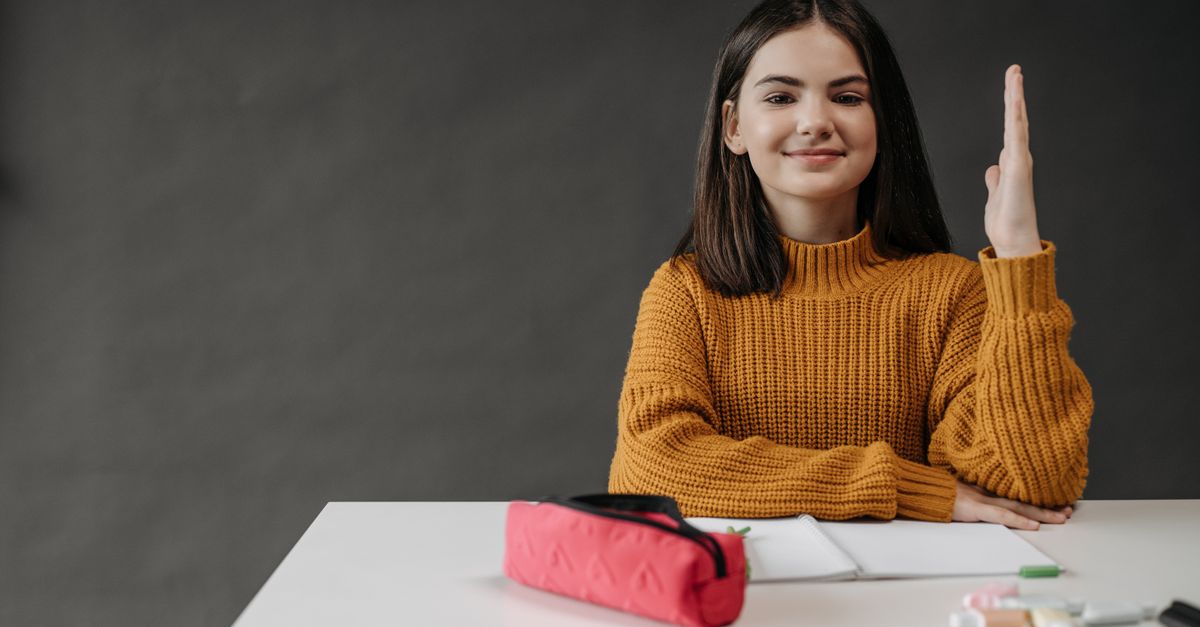
The next time you feel your inner critic screaming at you to shut up and blend in, do the opposite. Lean into the discomfort. Raise your hand. Ask the question. Admit the gap.
It won't make you look weak. It will make you look real. And real is the most confident thing you can be.
So go ahead. Be the person who asks the "dumb" question. I promise you, it’s the smartest thing you can do for your confidence.