
Here’s a little-known fact that threw me for a loop: Gen Z is more likely to describe a vintage fax machine as "cool" than a brand-new iPhone 16. I’m not joking. A 2024 survey by Depop found that 72% of 16-24 year olds prefer owning "obsolete" tech over the latest gadgets. While the rest of us are lining up for thinner laptops and foldable screens, they’re digging through thrift bins for a 1998 Sony Discman that skips every time you breathe.
It’s not just about nostalgia. It’s a full-blown cultural heist. Gen Z isn’t just rejecting the "cool" we were sold — they’re rewriting the entire rulebook. And honestly? The rest of us should probably take notes. Here’s why.
The Death of the "It" Girl (And the Rise of the Messy Aesthetic)
Let’s be honest — for decades, "cool" was synonymous with inaccessibility. You wanted to be the girl in the magazine: flawless skin, designer bag, perfect life. Cool was aspirational. It was a mountain you had to climb.
Gen Z looked at that mountain and asked, "Why would I want to climb something that only makes me feel bad about my own life?"
I’ve found that the most viral "cool" moments on TikTok right now aren’t polished photoshoots — they’re videos of people showing their acne, their cluttered rooms, their failed attempts at making sourdough. It’s called the "messy aesthetic." And it’s not just a trend; it’s a philosophy. Cool is no longer about being untouchable. It’s about being relatable.
Here’s what most people miss: this isn’t laziness. It’s a calculated rebellion against the perfectionism that Millennials were raised on. Gen Z watched us burn out trying to be everything for everyone, and they said, "Hard pass." Cool now means showing up as your unpolished, chaotic, authentic self. And honestly? It’s kind of refreshing.
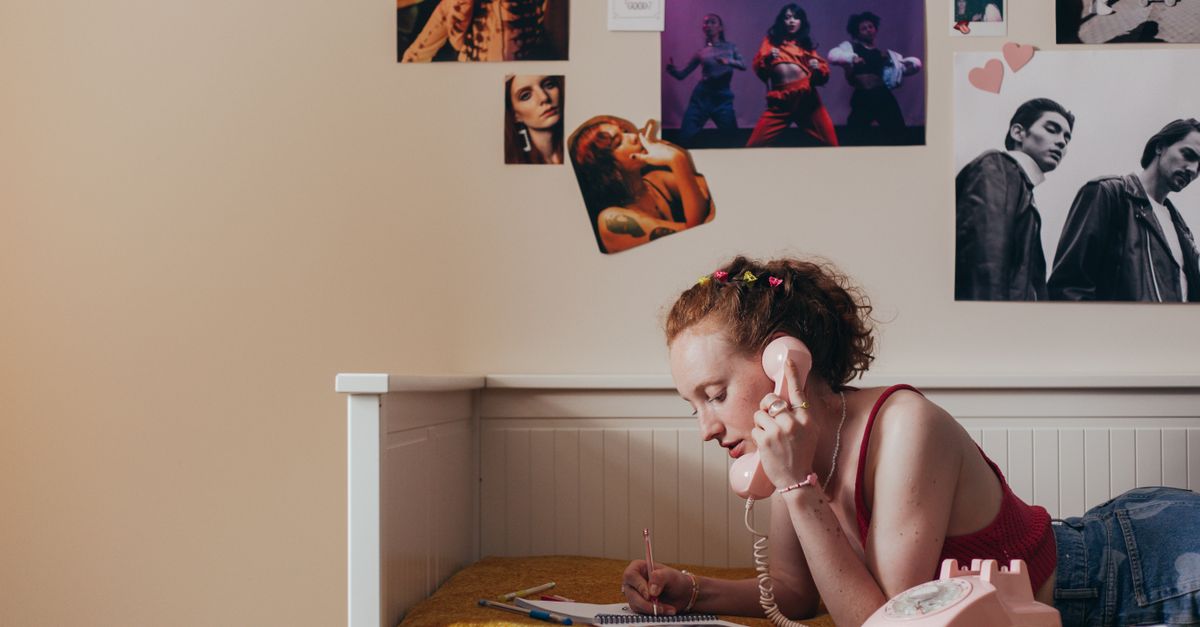
The 3 Secrets to Gen Z’s "Cool" Economy
I spent a week deep-diving into Gen Z’s shopping habits (and yes, I felt very old doing it). Here’s what I found separates their "cool" from ours:
- It has to be ugly-cute. Think: chunky sneakers, weirdly shaped bags, clothes that look like they were salvaged from a 1997 garage sale. The less "designer" it looks, the cooler it is. They call it "ugly chic." I call it genius — it makes fast fashion look boring.
- It has to have a story. A mass-produced shirt from Zara? Meh. A shirt you found at a thrift store that has a faded band logo and a mysterious coffee stain? That’s a conversation starter. Gen Z is obsessed with "digital provenance" — they want to know where something came from, who owned it, and why it matters.
- It has to break a rule. Wearing socks with sandals used to be a fashion crime. Now it’s a flex. Layering a formal blazer over pajama pants? Cool. Showing up to a party with a book instead of a phone? Even cooler. The rule is: there are no rules. Rebellion is the new uniform.
Why "Cringe" Is Actually the Highest Compliment
Here’s something that blew my mind: Gen Z has completely flipped the script on embarrassment. Remember when "cringe" was the worst thing you could call someone? Not anymore.
Gen Z has reclaimed cringe as a badge of honor. They actively seek out things that are "so bad they’re good." Think of the resurgence of "cringe" dances on TikTok, or the way they romanticize "cringe" moments from early 2000s movies. It’s not about being cool in the traditional sense — it’s about being unapologetically weird.
I’ve found that this shift has a deeper meaning. By embracing cringe, Gen Z is de-weaponizing judgment. If nothing can be truly embarrassing, then no one has the power to shame you. It’s a social equalizer. And it’s incredibly liberating.
The next time someone calls your hobby, outfit, or obsession "cringe," take it as a compliment. You’re doing it right.
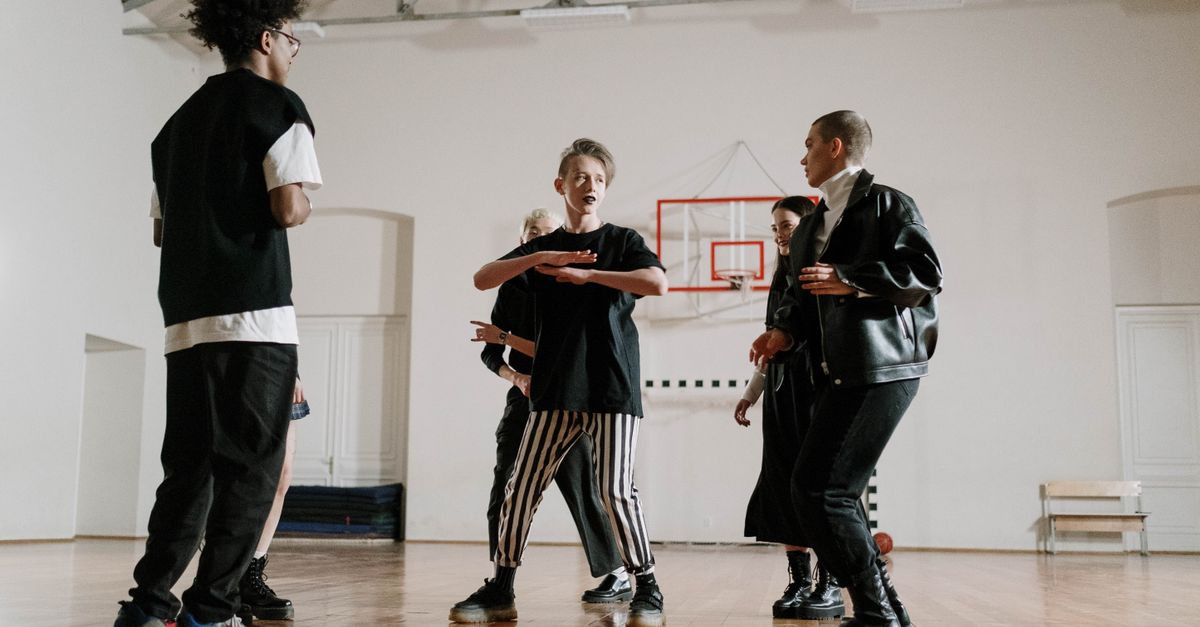
The Algorithm Is the New Cool Kid
Let’s talk about the elephant in the room — or rather, the algorithm in our pocket. Gen Z doesn’t learn what’s cool from magazines or celebrities anymore. They learn it from the algorithm.
Here’s how it works: A random 17-year-old in Ohio posts a video of herself wearing a specific brand of sneakers. The algorithm pushes it. Within 24 hours, that sneaker is sold out nationwide. The brand didn’t spend a dime on marketing. The algorithm is the new tastemaker.
This has huge implications for the rest of us. First, it means "cool" is now hyper-local and hyper-specific. What’s cool in your feed might be completely different from what’s cool in mine. There’s no single "it" thing anymore — there are a thousand micro-trends.
Second, it means authenticity is non-negotiable. You can’t fake it. If a brand tries to look "cool" by hiring a celebrity but doesn’t have a genuine connection to the community, Gen Z will sniff it out in seconds. They call it "performative cool." And they hate it.
What the Rest of Us Can Actually Learn
I’m not saying we should all start dressing like we’re in a 2003 music video (unless you want to — no judgment). But Gen Z’s redefinition of cool has some real-world lessons for the rest of us.
Lesson #1: Stop trying to be perfect. Cool is now about being real. Show your mistakes. Share your failures. The people who are most magnetic are the ones who aren’t afraid to be a little messy.
Lesson #2: Value the story over the status. A vintage jacket with a hole in the sleeve is cooler than a brand-new designer one — because it has history. Apply this to your life. What’s the story behind your choices? That’s what makes them interesting.
Lesson #3: Embrace the weird. The most "cringe" thing you do is probably the most memorable. Lean into it. Wear the mismatched socks. Sing the off-key song. The people who are unapologetically themselves are the ones who stand out.
Lesson #4: Don’t let the algorithm define you. Yes, trends are fun. But the coolest thing you can do is be the person who starts a trend, not just follows one. Trust your own taste.
The Final Truth
Here’s the thing no one tells you: "Cool" has always been about belonging. It’s about finding your tribe and signaling, "I’m one of you." Gen Z hasn’t changed that fundamental need — they’ve just changed the signal.
Instead of signaling wealth, status, or perfection, they’re signaling authenticity, individuality, and a willingness to be uncomfortable. They’ve made vulnerability cool. And that, my friends, is a revolution.
So next time you see a teenager wearing a pair of pants that look like they were attacked by a sewing machine, don’t roll your eyes. Take a closer look. They might just be showing you the future.
And if you want to be part of it? Just be yourself. But make it weird.