
Let’s be real for a second: the music industry has a massive healthcare problem, and it’s not just about tinnitus or blown-out voices. I’m talking about a systemic, soul-crushing neglect of the people who actually create the soundtrack to your life. We worship the art but ignore the artist’s crumbling body and mind. It’s a scandal we’ve normalized, and it’s time to call it what it is: a quiet epidemic.
I’ve spent years watching musicians burn out, physically break down, and financially drown because the system is rigged against them. Touring is a brutal marathon, studio sessions are mentally draining, and the constant pressure to perform (both on stage and online) is a recipe for disaster. You think your 9-to-5 is stressful? Try being a touring musician for a year. The lack of accessible, affordable, and appropriate healthcare is the dirty secret the industry doesn’t want you to hear. Let’s rip the bandage off.
The Touring Trap: Your Body Is Not a Rental Car
Here’s what most people miss: touring is a physiological war zone. You’re not just playing music; you’re living in a metal box with 4-6 other people, sleeping on a bus that smells like stale pizza and desperation, and eating gas station food for weeks on end. Your circadian rhythm? Destroyed. Your immune system? On life support.
I’ve found that most fans think touring is glamorous. They see the Instagram stories of sold-out crowds and after-parties. They don’t see the chronic back pain from carrying equipment, the repetitive strain injuries from playing the same riffs for two hours a night, or the vocal cord nodules that can end a career. And let’s not even start on hearing loss. It’s not a matter of if you’ll damage your hearing, it’s how much.
Hearing health: It’s the most obvious, yet most ignored. Custom in-ear monitors can cost $1,000-$3,000. Most young bands can’t afford that, so they crank up the stage monitors, accelerating hearing damage. Mental health: The isolation of the road, the constant lack of privacy, and the pressure to be “on” 24/7 fuels anxiety and depression. You’re alone in a crowd of 5,000 people. Physical strain: Carrying gear, loading trucks, performing high-energy sets. It’s a manual labor job with zero worker’s comp.
The kicker? Most musicians are classified as independent contractors. That means no employer-sponsored health insurance, no paid sick days, no disability coverage. You get sick? You play anyway. You get injured? You figure it out. The industry treats your body like a rental car — drive it hard, return it broken.
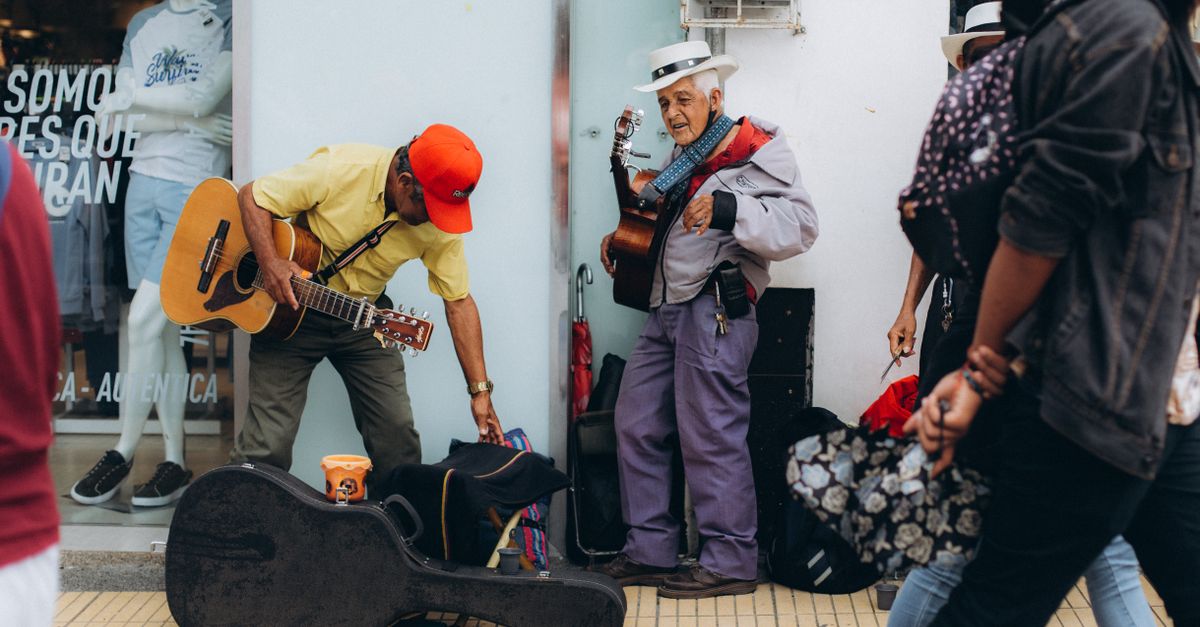
The Financial Bleeding: Why Your Favorite Artist Is One Hospital Visit Away From Ruin
Let’s talk money, because healthcare doesn’t exist in a vacuum. The common myth is that all musicians are rich. The reality? The middle class of music has been eviscerated. Streaming pays pennies, merch cuts are thin, and the cost of touring is astronomical. Now, add a medical emergency.
I’ve seen it happen firsthand. A friend of mine, a brilliant guitarist in a mid-level touring band, ruptured a tendon in his hand. No insurance. The surgery and rehab cost him $15,000. He had to sell his gear, his car, and move back in with his parents. His band went on hiatus. That one injury derailed his entire career trajectory.
Here’s the dirty truth: the music industry has no safety net. Unlike a corporate job where you might get short-term disability or an Employee Assistance Program, musicians are on their own. The industry is built on a feast-or-famine model. You have a hit, you tour, you make money. Then the cycle ends, and you’re back to the grind. A single health crisis can wipe out years of hard work.
What most people ignore is the psychological cost of this financial precarity. The constant worry about getting injured or sick can be paralyzing. It affects creativity. How can you write a masterpiece when you’re terrified that a trip to the ER will bankrupt you? That’s not artistic freedom — that’s survival mode.
The Mental Health Toll: We Pretend It’s Romantic, But It’s Not
We romanticize the tortured artist. The myth of the suffering genius is baked into our culture. But let’s be honest: it’s not romantic, it’s destructive. The music industry has a massive mental health crisis, and it’s treated as a feature, not a bug.
The pressure is relentless. You’re constantly being judged — your music, your look, your social media engagement. You’re told to be authentic, but also to be marketable. You’re expected to be grateful for the privilege of making art, even when you’re being exploited. This cognitive dissonance is a fast track to burnout.
I’ve found that the biggest driver of mental health issues in music is isolation. Touring is lonely. The studio is lonely. The pressure of being the “creative engine” for a project is lonely. And when you do reach out for help, you’re often met with stigma. “Just push through it.” “You’re lucky to have this job.” “Real artists suffer for their work.”
This is garbage. Real artists need therapy, not silence. They need access to affordable mental health care that understands the unique pressures of their profession. They need industry-wide initiatives that treat mental health as a core part of an artist’s career, not an afterthought.

The 3 Things That Actually Need to Change (And Why They Won’t)
Okay, enough complaining. Let’s talk solutions. Here are three concrete changes that would radically improve healthcare for musicians. And I’ll be blunt: they won’t happen unless we force the issue.
- Universal Access to Industry-Specific Insurance Pools. The biggest barrier is cost and complexity. We need cooperatives or unions that offer group health insurance plans specifically designed for musicians. These plans should cover things like vocal therapy, hearing protection, physical therapy for repetitive strain injuries, and mental health counseling. Organizations like the Recording Academy and the American Federation of Musicians already have the infrastructure; they need to make these plans affordable and accessible to all working musicians, not just the top 1%.
- Mandatory “Health Riders” in Touring Contracts. When a band signs a tour contract, there should be a mandatory clause that provides a minimum daily per diem for healthy food, access to a private space for rest, and a clear protocol for dealing with illness or injury. No more “the show must go on” when someone has a 102° fever. This isn’t charity; it’s basic risk management. A healthy band is a productive band.
- Destigmatizing Mental Health Care in the Industry. This is the hardest change because it’s cultural. Labels, managers, and promoters need to actively promote mental health resources and not penalize artists for using them. This means building mental health days into tour schedules, providing access to online therapy platforms, and training managers to recognize signs of burnout. It also means normalizing saying “no.” No to the toxic hustle culture. No to the 24/7 availability. No to the idea that your art is only valid if you’re suffering.
The Hidden Heroes: Grassroots Efforts That Are Actually Working
Despite the grim picture, there are people fighting the good fight. You just have to look past the corporate noise. I’ve been inspired by several grassroots organizations that are doing the heavy lifting.
The SIMS Foundation (Austin, TX): Provides mental health and addiction recovery services specifically for musicians and their families. They get it — they know the unique pressures of the industry. Backline: A national organization that connects music industry professionals and their families with mental health and wellness resources. They’re building a safety net, one connection at a time. The Sweet Relief Musicians Fund: Provides financial assistance to musicians facing illness, disability, or age-related issues. They’re the emergency room for the industry’s financial health.
These organizations are critical, but they are band-aids on a bullet wound. They can’t fix the systemic problem. They can only treat the symptoms. We need a fundamental shift in how the industry values its most important asset: the people who make the music.
The Final Note: Your Ticket Is a Vote
So, what can you do? You’re not a label executive. You’re not a manager. You’re a fan. But you have more power than you think.
Your ticket purchase is a political act. When you buy a ticket to a show, you are voting for the kind of industry you want to exist. Do you want an industry that treats artists like disposable content? Or one that invests in their long-term well-being?
Start paying attention. Look for artists who are openly talking about their health struggles. Support the ones who are demanding better conditions. Share their stories. Talk about the reality of touring and the financial precarity of being a musician. The more we normalize this conversation, the harder it becomes for the industry to ignore it.
And if you’re a musician reading this: your health is not a luxury. It is the foundation of your career. You cannot make art if you are broken. Prioritize sleep. Eat a real vegetable. Say no to a tour that will destroy you. Find a therapist who works with creative professionals. Set boundaries. You are not a machine.
The music we love is born from human bodies and minds. It’s time we started treating them with the care they deserve. Because a healthy artist makes better art. And we could all use a little more of that.