
Let me tell you something — I’ve seen the internet flip-flop on trends faster than a pancake at a diner. But this one? This one feels different. It’s not about what you buy. It’s about what you don’t.
I’m talking about underconsumption core. And if you’ve scrolled TikTok or Instagram in the last three months, you’ve probably seen it: people showing off their decade-old phone cases, their single pair of sneakers, their minimalist kitchen with exactly three pots. No haul videos. No unboxings. Just… existing with less.
And here’s the thing — it’s not a trend. It’s a rebellion. Let’s unpack why this is hitting so hard, and what it says about where we are as a culture.
The Quiet Rage Behind the Empty Shopping Cart
I’ve found that most people miss the emotional undercurrent here. Underconsumption core isn’t just about being frugal. It’s a middle finger to the algorithm that’s been screaming “buy this” at us for a decade.
Think about it. For years, we’ve been told that happiness is one Amazon order away. That if you don’t have the latest Stanley cup or the perfect aesthetic kitchen, you’re failing at life. The influencer economy ran on this anxiety. But something shifted.
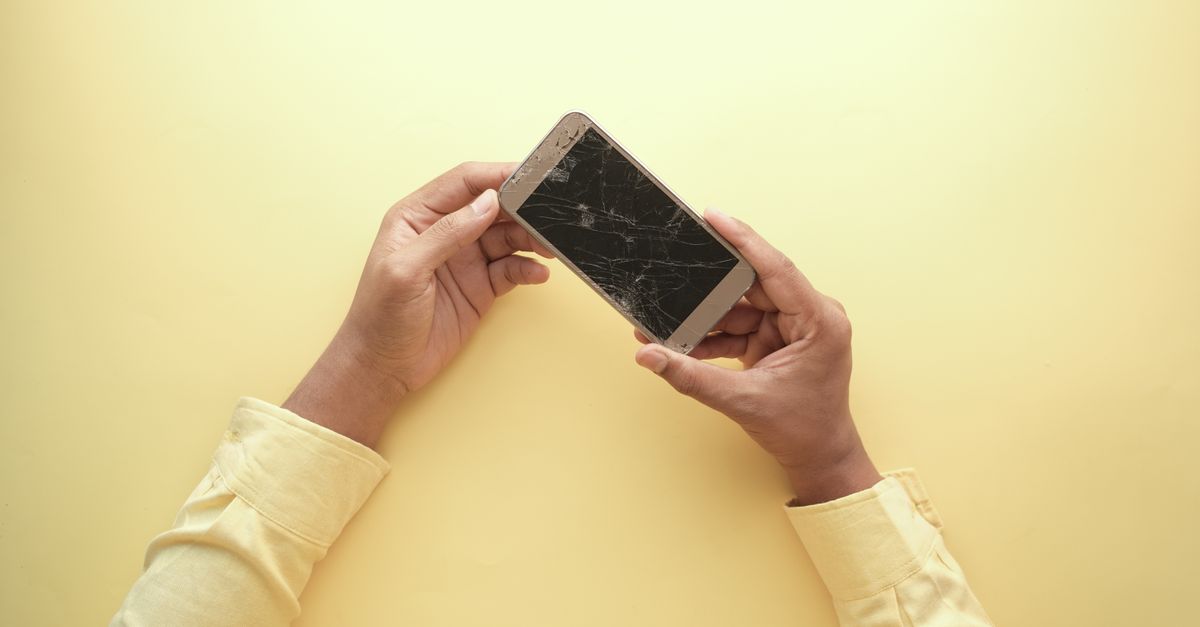
When I see a creator proudly showing their five-year-old laptop with a cracked corner, I don’t see poverty. I see defiance. It’s the same energy as saying, “I don’t need your dopamine hit, thanks.” Underconsumption core isn’t about deprivation — it’s about rejecting the premise that more stuff equals a better life.
What the Algorithm Got Wrong About ‘Less’
Here’s what most people miss: the algorithm loves consumption. It loves the frenzy, the newness, the “you need this” urgency. But it cannot monetize contentment. And that’s exactly what underconsumption core offers.
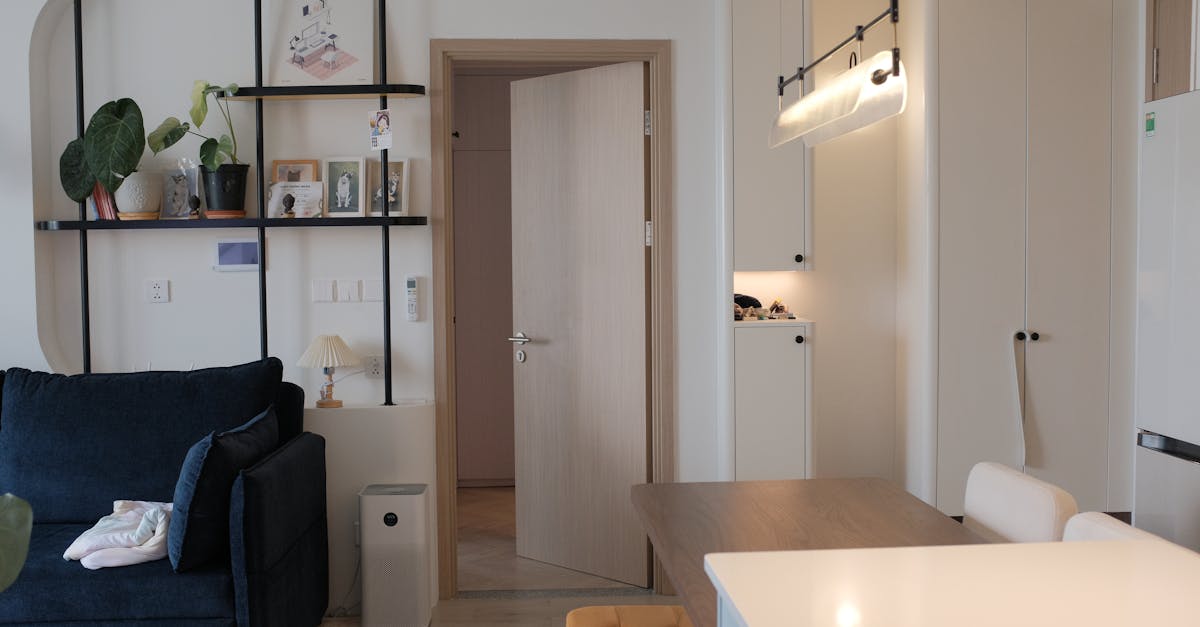
I’ve noticed that the creators who do this best aren’t the ones showing off a sparse room. They’re the ones showing intentionality — the same pair of jeans worn for three years, the repaired toaster, the bookshelf where every book has been read. It’s not aesthetic minimalism. It’s functional minimalism.
Let’s be honest — we’ve all bought something we didn’t need because a TikTok made it look essential. The “de-influencing” trend was the first crack in the dam. Underconsumption core is the flood. It’s saying, “I’m not just not buying — I’m proud of not buying.”
The 3 Things Underconsumption Core Actually Reveals About Us
I’ve been watching this trend evolve for months, and I’ve boiled it down to three cultural shifts:
- We’re exhausted by the performance of wealth. The “look at my luxurious life” content feels hollow when rent is due. Underconsumption core is a way to opt out of that arms race.
- We’re craving authenticity over aesthetics. A perfectly curated room looks nice. But a room that tells a story — the worn couch, the handmade mug — feels real. And real is rare.
- We’re redefining success. For years, success meant having more. Now, it means needing less. That’s a radical shift, and it’s happening in real time.
The Surprising Dark Side Nobody Talks About
Okay, let’s get real for a second. Underconsumption core isn’t all sunshine and repaired shoes. There’s a class tension here that’s worth naming.
When a wealthy influencer posts about “living with less” from their fully paid-off house, it can feel like performative poverty. The same person who can afford a new laptop if they wanted one is choosing not to buy one — that’s a luxury in itself. For someone who genuinely can’t afford new things, this trend might feel like a mockery.
I think the key is intention. Underconsumption core works when it’s about conscious choice, not forced scarcity. The difference between “I can’t afford new sneakers” and “I choose to wear these sneakers until they fall apart” is subtle but real.
Why This Trend Won’t Die (And Why It Shouldn’t)
Let’s be honest — most internet trends have the lifespan of a fruit fly. But underconsumption core feels different. Why?
Because it’s not a look. It’s a mindset.
You can’t buy your way into underconsumption core. You can’t order an “aesthetic minimalist” starter pack from Amazon. The whole point is that you already have everything you need. That’s why it’s so hard for the algorithm to co-opt it. There’s no new product to sell.
I’ve found that the people who stick with this trend are the ones who’ve realized something profound: consumption is a habit, not a need. And like any habit, it can be broken. The first week is hard. The first month is uncomfortable. But after a while, you start to feel… lighter.
You stop checking your phone for delivery updates. You start repairing things instead of replacing them. You look at your space and feel enough, not lack.
The Real Takeaway: It’s About Who You Want to Be
Here’s the thing I keep coming back to. Underconsumption core isn’t really about stuff. It’s about identity.
For years, we’ve been told that what we buy defines us. Your car, your clothes, your home — these are all signals of who you are. But underconsumption core flips that script. It says: What you choose NOT to buy defines you even more.
Choosing to keep your old phone says you value function over status. Choosing to repair your jacket says you value craft over convenience. Choosing to cook with what’s in your pantry says you value creativity over conformity.
And that’s a powerful message. Especially right now, when so much feels out of control, choosing to consume less is one of the few acts of agency we have left.
So, go ahead. Look at your space. Ask yourself: What do I actually need? The answer might surprise you.
