
I’m going to say something that might piss off your local kombucha brewer: Most fermented foods you see on TikTok are overpriced, overhyped, and probably sitting in a fridge aisle near you with a 90-day shelf life. But here’s the twist — the trend itself? It’s actually saving our guts. Just not the way influencers are selling it.
Let me explain. I’ve been fermenting things in my kitchen for years — long before the “that girl” aesthetic made mason jars look like luxury decor. And when I first saw the explosion of kimchi challenges, sourdough starter diaries, and people drinking kefir like it’s a personality trait, I rolled my eyes. Hard. But then I started paying attention to the comments. People were asking real questions. “Why does my stomach feel better?” “Can I do this without a starter kit?” “Is it supposed to smell like that?”
That’s when I realized: TikTok didn’t invent fermentation — it just made it accessible. And that’s a win, even if some of the content is cringe.

The Science of Sour (Why Your Gut Is Basically Screaming for Help)
Let’s get one thing straight: your gut microbiome is the control center of your entire body. I don’t say that lightly. When my own digestion started acting up a few years ago — bloating, brain fog, random skin breakouts — I tried everything. Probiotic supplements? Expensive pee. Prebiotic powders? Tasted like cardboard. But then I started eating a spoonful of homemade sauerkraut every morning.
Within two weeks, the bloating disappeared. My energy levels evened out. And here’s the part most people miss: fermented foods contain trillions of live bacteria that actually survive your stomach acid. Most probiotic supplements? Dead on arrival. But the bacteria in fermented foods — Lactobacillus, Bifidobacterium, Saccharomyces — they’re resilient little fighters.
The TikTok trend is riding on the back of real science. Studies show that regular consumption of fermented foods can reduce inflammation, improve immune function, and even boost mood. That’s not just influencer nonsense — that’s peer-reviewed research.
Why TikTok Loves It (And Why You Should Too)
Here’s what the algorithm figured out before the health experts did: fermentation is visually addictive. You get to watch cabbage transform into something fizzy. You see bubbles forming. You hear that satisfying pop when you open a jar. It’s ASMR meets science experiment meets dinner.
But beyond the aesthetic, TikTok creators have done something genuinely useful: they’ve demystified the process. You don’t need a fermentation crock or a starter culture. You don’t need a degree in microbiology. You need:
- A clean jar
- Salt (non-iodized)
- Water (chlorine-free)
- Vegetables (any will do)
- Patience (3-7 days)

The 3 Things TikTok Gets Wrong (And How to Fix Them)
Let’s be honest — not everything on social media is accurate. Here’s what I’ve noticed:
1. Overcomplicating the Process
Some creators act like you need a lab-grade setup. You don’t. A jar with a loose lid works fine. Stop buying specialized equipment.2. Pushing Expensive Starter Kits
You can buy a SCOBY for $15 or make one from a bottle of raw kombucha. Why spend money when you can propagate? Same goes for kefir grains — they multiply like crazy.3. Ignoring Safety Basics
Mold happens. It’s rare but real. If it smells like rot or looks fuzzy, toss it. Don’t be brave. There’s a difference between “funky” and “dangerous.”How to Actually Start Fermenting (Without Becoming a TikTok Stereotype)
I’m going to give you the real blueprint — the stuff I wish I knew when I started.
Start with sauerkraut. It’s the easiest. Shred cabbage, add 2% salt by weight, massage until water releases, pack into a jar, and wait. That’s it. No fancy tools. No expensive culture.
Don’t fear the brine. If you see bubbles? Good. If it smells like farts? Normal. If it smells like feet? Still fine — that’s lactic acid bacteria doing its thing.
Eat it slowly. Your gut needs time to adjust. Start with a tablespoon a day. Work up to a few spoonfuls. Your microbiome will thank you, but your social life might not if you go too hard too fast.
The Hidden Benefit Nobody Talks About
Here’s what I’ve found that surprised me most: fermented foods make you more adventurous in the kitchen. Once you realize you can control the flavor profile of your own food — making it more sour, more tangy, more complex — you stop relying on processed condiments. Your palate changes.
I now make my own hot sauce. My own pickles. My own yogurt. And the best part? I know exactly what’s in it. No hidden sugars. No preservatives. No weird stabilizers.
TikTok might have started the trend, but the real revolution is happening in home kitchens. People are rediscovering that food doesn’t need to come from a factory. It can come from a jar on your counter — alive, bubbling, and working for you.
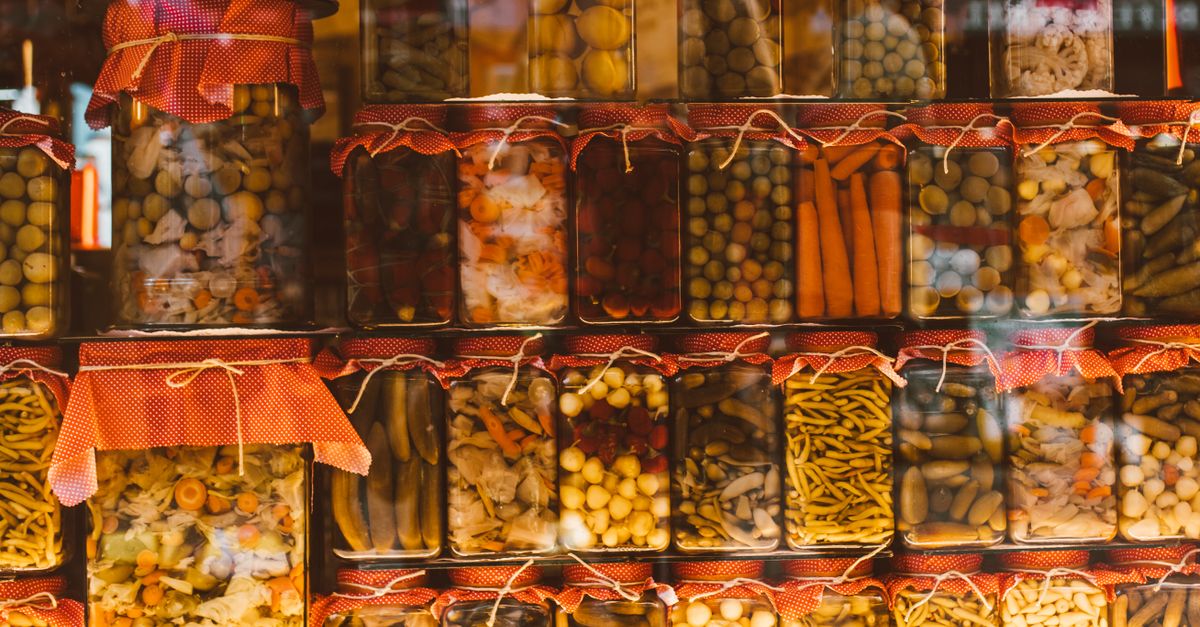
The Final Spoonful
Look, I get it. Trends come and go. Last year it was cottage cheese ice cream. Next year it’ll be something else. But fermentation? This one’s been around for 10,000 years for a reason.
The TikTok version might be glossy and filtered, but the core truth remains: your gut wants to be fed live bacteria. Not dead pills. Not heat-treated “probiotic” gummies. Live, active, thriving microbes that have been partnering with humans since before we had refrigerators.
So go ahead — watch the videos, save the recipes, and maybe even buy that cute jar. But when you take that first bite of something you made yourself, something that grew in your kitchen, you’ll understand why this trend isn’t going anywhere.
Your gut will thank you. Your wallet will thank you. And you’ll never look at a supermarket pickle the same way again.
Now go ferment something. I dare you.