
Alright, let’s get one thing straight right out of the gate: most recovery advice for people over 40 is garbage.
It’s either designed for elite athletes who have a team of sports scientists or it’s some influencer trying to sell you a $5,000 ice bath that looks great on Instagram but does nothing for your aching lower back.
I’m Amarachi Okonkwo, and I’ve spent the last few years digging into the real science of how our bodies change after 40. And I’ve had a front-row seat to the great debate: Cold Plunge vs. Hot Yoga.
The marketing says one is for “hardcore biohackers” and the other is for “zen spiritualists.” But the truth? It’s way more nuanced. And the real secret isn’t which one is "better." It’s about when and why you use each tool.
Let’s burn the hype and get to the surprising science.
The Inflammation Trap Most 40-Somethings Fall Into
Here’s what most people miss: Your recovery needs change completely after 40.
At 25, you could run a half-marathon, eat a pizza, sleep 5 hours, and wake up feeling like a god. At 45? You sneeze wrong and your neck locks up for a week.
The biological shift is real. After 40, your body enters a state of chronic low-grade inflammation. It’s not the acute inflammation from a sprained ankle. It’s the silent, systemic kind that makes you stiff, tired, and prone to injury.
Now, both cold plunges and hot yoga are powerful tools against this. But they work in completely opposite ways.
Cold plunges (cryotherapy, ice baths) are about vasoconstriction and numbing. They reduce blood flow, dull pain, and lower surface inflammation. They are phenomenal immediately after a brutal workout when your muscles are swollen and screaming.
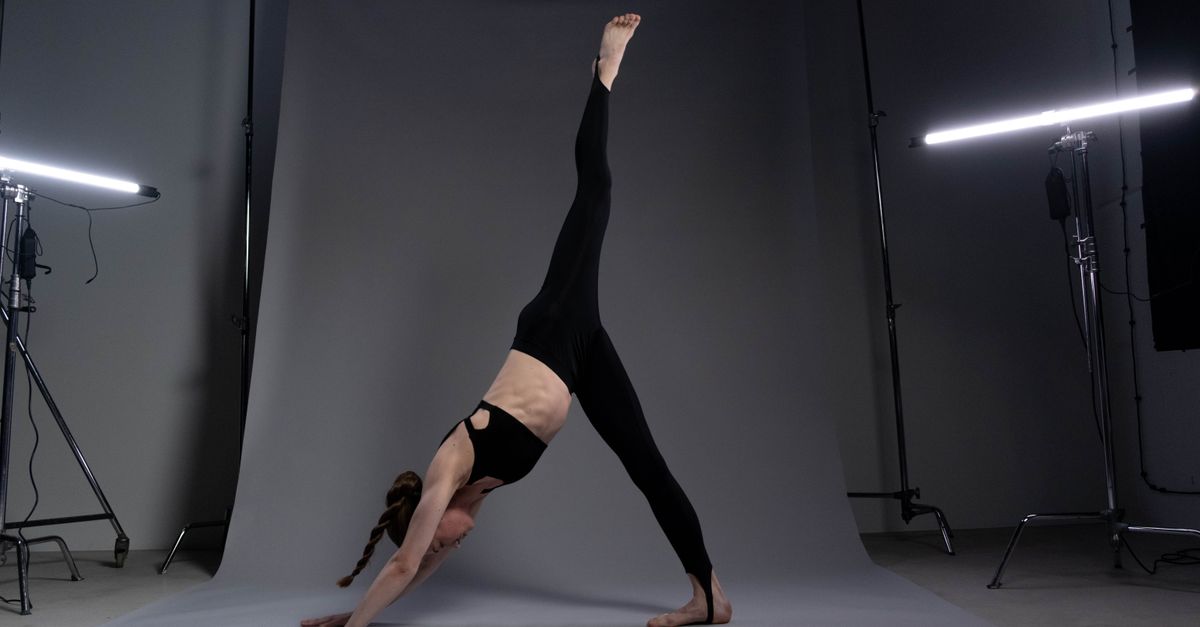
Hot yoga (or any deep heat exposure) is about vasodilation and metabolic flushing. It increases blood flow, loosens fascia, and forces your cardiovascular system to pump out metabolic waste.
So, which one wins? It depends on what "recovery" means to you.

The Shocking Truth About Cortisol and Your 40-Year-Old Adrenal Glands
Let’s get nerdy for a second. But I promise it’s worth it.
Your adrenal glands produce cortisol—the stress hormone. In your 20s, you handle stress like a champ. In your 40s? Your cortisol rhythm gets wrecked. You wake up tired, you feel wired at night, and your body stores fat around your midsection like it’s preparing for a famine.
Here’s where the science gets wild.
Cold plunges spike cortisol. That’s right. The initial shock of freezing water is a massive stressor. It triggers a fight-or-flight response. For a 25-year-old with a robust nervous system, this is a powerful reset. For an over-40 person with already high cortisol? This can be a disaster. It can keep you awake at night, raise your blood pressure, and increase that stubborn belly fat.
I’ve found that hot yoga does the exact opposite. The sustained heat, combined with deep breathing and static holds, activates the parasympathetic nervous system—the "rest and digest" mode. It lowers cortisol, drops blood pressure, and improves vagal tone.
But wait—there’s a catch.
Hot yoga can also be a glycogen dump. If you’re already depleted from a hard workout, 90 minutes of 105°F heat can crash your blood sugar and leave you feeling hungover the next day.
So here’s the rule I live by:
- High cortisol + wired/anxious? Go to hot yoga.
- High inflammation + sore muscles? Go to the cold plunge.
- Both? You need to fix your sleep first.
The 3-Day Rule That Changed My Recovery Forever
I used to think recovery was a one-size-fits-all checkbox. I’d do a cold plunge after every run. I’d force myself into hot yoga on rest days. And I felt okay. But not great.
Then I stumbled onto a concept from a sports physiologist that blew my mind: The 3-Day Recovery Window.
Here’s how it breaks down for the over-40 crowd:
- Day 1 (Post-Workout): Cold is King. Within 2 hours of a hard session, the cold plunge is your best friend. It reduces the initial swelling and inflammatory cascade. Do not skip this window.
- Day 2 (The Soreness Peak): Contrast Therapy. This is the secret weapon. Alternate between cold plunge (3 min) and hot shower or sauna (5 min). Do 3 cycles. This acts like a pump for your lymphatic system, flushing out the junk that causes stiffness.
- Day 3 (Full Recovery): Hot Yoga or Epsom Salt Bath. This is when you want the heat. Your muscles are no longer acutely inflamed, but they are tight. The heat loosens the fascia, increases range of motion, and gives you that deep, restorative feeling.
The One Thing Nobody Tells You About Joint Pain
Let’s be honest. The biggest reason we start looking into recovery at 40 isn’t for "peak performance." It’s because our knees, hips, or lower back are talking to us. Loudly.
Here’s the hard truth: Cold plunges are terrible for chronic joint pain.
The science is clear. Ice reduces acute pain, but it also reduces the healing blood flow that joints desperately need. Chronic joint pain is often a sign of poor blood supply to the cartilage and tendons. Numbing it with cold actually delays the repair process.
Hot yoga is the absolute champion for joint health over 40. The heat increases the pliability of collagen in your ligaments and tendons. The gentle, sustained stretches in a hot environment improve synovial fluid circulation—that’s the oil in your joints.
I’m not saying to throw away your ice packs. I’m saying that if you have a chronic, dull ache in your hip or knee, the hot yoga class is where the magic happens. The cold plunge is for the day you did a stupid heavy squat and your quads feel like they’re tearing.
The Final Verdict: It’s Not Either/Or, It’s Sequencing
So, cold plunge or hot yoga? The answer is yes. But in the right order.
Think of your body like a clock. The cold plunge is the reset button—for acute stress and inflammation. The hot yoga is the rewind button—for chronic tightness and nervous system balance.
If you’re doing a cold plunge before a stretch session, you are making your muscles less pliable. That’s a mistake. If you’re doing hot yoga right after a heavy leg day, you are putting metabolic stress on already broken-down fibers. That’s also a mistake.
The ultimate recovery stack for the over-40 athlete (or weekend warrior) is:
- Immediately after workout: Cold plunge (5-10 min).
- Next morning: Light movement + contrast therapy.
- Day after that: Hot yoga (60-90 min).
Your body isn’t broken. It just needs a better manual. And now you have the first page.
Now, I want to hear from you. Have you tried either? Did you feel amazing or did you feel wrecked? Drop a comment below. Let’s figure this out together.