
Here’s the thing about the 85% Local Content policy: it sounds like a patriotic dream, but the reality is a tangled web of ambition, frustration, and a few surprising wins. I’ve been staring at the numbers coming out of Nigeria’s oil and gas sector, and let me tell you — the story is way more interesting than the headlines suggest.
Did you know that before 2010, local content in Nigeria’s oil industry hovered around a measly 5%? Yeah, you read that right. For decades, we were basically renting out our own resources. Foreign companies did the drilling, the fabrication, the engineering, and the logistics. Locals? We got the crumbs — security contracts and menial labor. Then the Nigerian Content Development and Monitoring Board (NCDMB) came in with a mandate: hit 70% local content by 2027. And guess what? We’re currently sitting at roughly 54% as of 2024. That’s a tenfold increase in fifteen years. But here’s the kicker: the target was recently bumped to 85% . Ambitious? Absolutely. Delusional? Let’s find out.
The Hidden Cost of "Buy Naija"
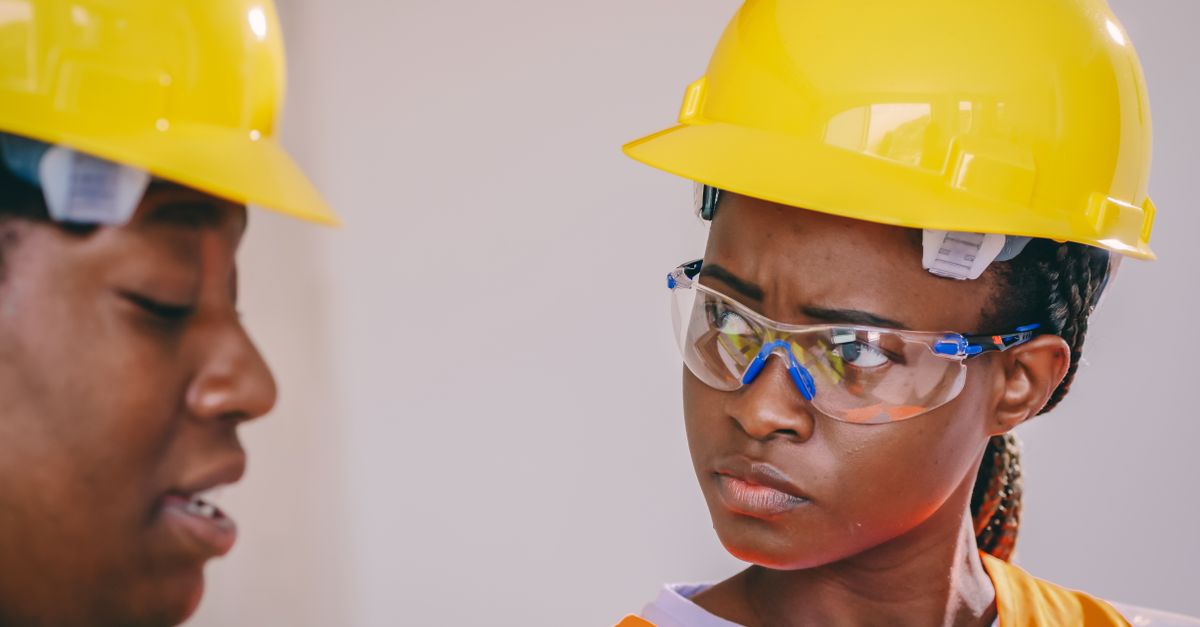
Let’s be honest. When you hear "local content," you probably imagine Nigerian engineers in hard hats, welding pipes and smiling. And yes, that happens. But what most people miss is the quiet war happening behind the scenes.
I’ve spoken to small-scale fabricators in Port Harcourt who say the policy is a double-edged sword. On one hand, it’s created jobs. On the other hand, local companies are fighting for scraps against foreign firms that simply register as "Nigerian" on paper. It’s called fronting. A foreign company sets up a local subsidiary, hires a few Nigerians for the board, and suddenly they qualify for contracts meant for indigenous players. The NCDMB has been cracking down, but the loopholes are wide enough to drive a tanker through.
Here’s what I’ve found: the push for 85% is forcing a reckoning. We can’t just say "buy Nigerian" — we need Nigerian companies that can actually deliver. And right now, the capacity gap is real. We have the will, but do we have the welding machines that don’t break down every Tuesday?
The 3 Things Nobody Tells You About Local Content Compliance
If you’re a business owner or just a curious citizen, you need to know what the 85% target really demands. Here’s the unfiltered truth:
- It’s not just about oil anymore. The policy has spilled over into shipping, banking, and even tech. If you want to do business in Nigeria’s hydrocarbon sector, you now need to prove you’re using local insurance, local vessels, and local data centers. I’ve seen startups pivot their entire business model just to get a piece of the pie.
- The compliance paperwork is a monster. I’m not exaggerating — some companies hire full-time teams just to file NCDMB reports. The Nigerian Content Development Fund (NCDF) requires a 1% levy on every contract. That money is supposed to build local capacity, but the audit trail? Let’s just say it’s murkier than a Lagos lagoon.
- The real winners are the service companies. The biggest beneficiaries aren’t the oil majors (Shell, TotalEnergies, etc.). It’s the mid-tier Nigerian firms like Mobil Producing Nigeria Unlimited and Oando that have been quietly building capacity for years. They’re the ones who can actually do the work. The small guys? They’re stuck bidding on contracts they can’t finance.
Why 85% Might Be Too Much, Too Fast
Now, let’s talk about the elephant in the room. Is 85% realistic?
I’ve read the NCDMB’s strategic plan. It’s beautiful on paper. They want to develop local engineering, fabrication, and manufacturing to the point where we don’t need to import a single valve. But here’s the problem: global supply chains don’t care about our ambitions.
Take subsea equipment, for example. Nigeria doesn’t have a single factory that can produce high-pressure subsea trees — those are the complex valves that sit on the ocean floor. We import 100% of them. To hit 85%, we’d need to build entire industries from scratch. That’s not a five-year plan; that’s a generation-long project.
And let’s not forget the curse of the oil price. When crude prices crash (like in 2020), international oil companies slash budgets. Local contractors are the first to get dropped. The 85% target assumes a stable, growing industry. But oil is volatile — always has been, always will be.
The Surprising Sector That’s Saving the Dream

Okay, enough doom and gloom. Here’s the part that gives me hope: the fabrication and manufacturing sector is quietly exploding.
I visited a yard in Onne, Rivers State, last year. It used to be a dumping ground for abandoned pipes. Now? It’s a bustling hub where Nigerian welders are building jackets and decks for offshore platforms. The NCDMB has invested in training centers, and I’m seeing young Nigerians who can weld to international standards. The quality is legit.
What’s driving this? The Nigerian Oil and Gas Park Scheme (NOGaPS) . They’re setting up industrial parks specifically for local content. It’s not perfect — power supply is still a joke — but the momentum is undeniable. If we can get these parks running 24/7, the 85% target starts to look less like a fantasy and more like a stretch goal.
The Human Cost of the Policy
Let’s get personal for a second. I know a guy named Chuka. He runs a small logistics company in Warri. When the local content policy kicked in, he thought his prayers were answered. He bought two new trucks, hired 10 drivers, and started bidding for contracts with a major oil company.
He won one contract. Then the payment cycle hit him. Big oil pays in 90 to 180 days. Chuka couldn’t afford to wait. He had to take loans at 25% interest to cover fuel and salaries. By the time the payment came, his profit margin was gone. He told me, "Yetunde, I’m working harder than ever, but I’m making less money."
This is the dark side of local content. The policy creates opportunities, but the financial ecosystem isn’t ready. Small businesses need access to cheap capital, and our banks aren’t structured for it. The NCDMB has a $200 million fund for local contractors, but the application process is so cumbersome that most small players can’t access it.
What 85% Local Content Actually Means for Your Wallet

Here’s the bottom line: whether you’re a trader in Kano or a banker in Lagos, this policy affects your daily life.
- Fuel prices: If local content drives down production costs (by using cheaper local labor and materials), petrol could get cheaper. But if it increases inefficiencies (because local suppliers can’t deliver on time), prices could spike.
- Jobs: The NCDMB claims the policy has created over 50,000 direct jobs. I’d say that’s conservative. But many are temporary — contract-based, no benefits. The real win will come when we start building permanent factories.
- Taxes: More local activity means more corporate tax revenue. That could mean better roads, schools, and hospitals. Or it could mean more corruption. You decide.
The Uncomfortable Truth About Sovereignty
I’ll leave you with this. The 85% local content push is not just an economic policy — it’s a statement of sovereignty. For decades, we were told we couldn’t do it. That Nigerians were lazy, corrupt, or incompetent. The policy says, "No, we can."
But sovereignty without competence is just theater. We need to be honest about our gaps. We need to invest in technical education, not just political connections. We need to fix the power grid so factories can run. We need to finance local businesses at single-digit interest rates.
The 85% target is aspirational. It’s a North Star. Will we hit it by 2027? Probably not. But if we hit 60% or 65% with real, sustainable capacity? That’s still a win.
Here’s my challenge to you: Next time you see a "Made in Nigeria" label, ask yourself — is this real local content, or just another front? The policy is only as strong as our willingness to enforce it. And that starts with all of us paying attention.
So, what do you think? Is 85% local content a brilliant vision or a recipe for frustration? Drop your thoughts in the comments — I read every single one.