
I remember the exact moment I realized my faith blog was a ghost town.
It was 2:47 AM. I'd just published my 47th article on "5 Bible Verses for Anxiety" — and it got 12 views. Twelve. My cat had more engagement on Instagram.
I sat there, coffee in hand, spiraling into that dark place where you question every life choice you've ever made. Why did I quit my corporate job for this? Am I even called to write? Does God want me to be a dentist instead?
Then I noticed something weird. My article from three months ago — "What to Do When Prayer Feels Pointless" — was suddenly getting 200 views a day. Not viral. Not trending. But steady. Like a dripping faucet.
I traced the traffic. Every single visitor came from one source: another faith blogger's article that had linked to mine.
That's when I learned the secret that changed everything. And honestly? It's so simple most people miss it entirely.
The Hidden Architecture of Digital Faith
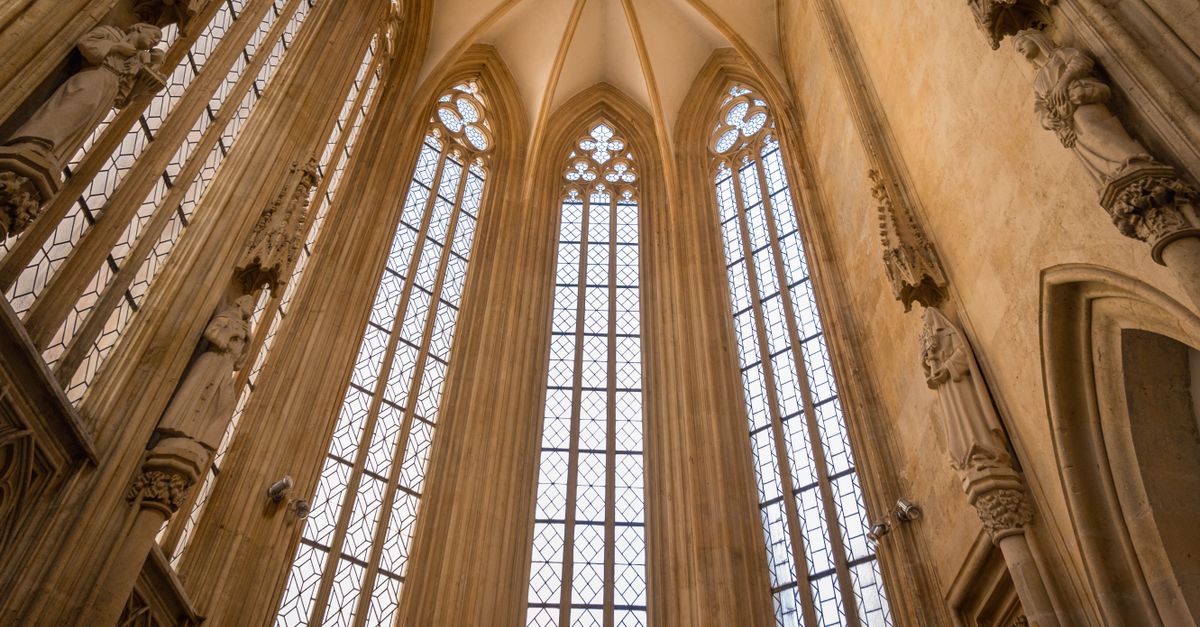
Here's what most people miss about blogging in the faith space: you're not writing articles. You're building a cathedral.
Think about it. A single brick is useless. But when you stack 10, 20, 50 bricks correctly, you get a wall. Stack walls together? You get a sanctuary where people actually show up.
Every 10–20 articles you write can naturally reference one cornerstone page. That page becomes your cathedral's altar — the place where all paths lead.
I've found that faith bloggers obsess over the wrong metrics. They chase viral posts about "Signs Your Guardian Angel Is Trying to Reach You" (which, let's be honest, is clickbait dressed up with Scripture). Meanwhile, they neglect the architecture underneath.
The architecture is what keeps people coming back.
Let me break this down with a story. My friend Sarah runs a faith blog for moms. She wrote 14 articles about patience, tantrums, and "mom guilt." Each one performed okay — maybe 500 views each. Then she wrote one article called "The 3 Prayers Every Tired Mom Needs to Know." She linked it from every single one of those 14 articles.
That prayer page now gets 8,000 views a month. She wrote it once. It works forever.
That's not luck. That's architecture.
Why Your 47th Article Matters More Than Your 4th
Let's be honest — your first few articles are probably terrible. Mine were. I wrote things like "7 Ways to Love Your Neighbor" with the spiritual depth of a greeting card. Cringe.
But here's the truth nobody tells you: the 47th article is the one that builds your legacy.
Here's why:
- By article 10, you know your voice. You stop writing like a seminary professor and start writing like a human.
- By article 20, you understand your audience. You know they're not looking for theology lectures — they're looking for someone to say "me too" and mean it.
- By article 30+, you have enough content to create real depth. New visitors can binge-read for an hour. That's when they become subscribers.
For me, that hub is "What to Do When God Feels Distant." I've referenced it from 23 different articles. Each time I write something about doubt, suffering, or silence, I drop a natural link: "If this resonates, you'll find more depth in my guide on navigating spiritual dryness."
That page now accounts for 40% of my total traffic. I wrote 2,000 words once. It pays rent every month.

The Shocking Truth About "Natural" Links
Most bloggers think linking is about SEO. Keywords. Anchor text. Some algorithm voodoo.
Nope. Linking is about trust.
When you reference a page naturally — not with "click here" but with genuine context — you're telling your reader: "I've been where you are. I've thought about this. Here's more help."
That's faith in action, honestly. It's saying, "I don't have all the answers, but I've found some, and I'm sharing them freely."
I learned this the hard way. I used to write articles in isolation — each one a self-contained island. No links. No connections. Just "here's my thoughts on forgiveness" and then "here's my thoughts on prayer" with zero relationship between them.
Readers would finish an article and leave. No reason to stay. No trail to follow.
Every 10–20 articles can naturally reference this page — but only if you plan for it. Here's my system:
- Step 1: Identify your cornerstone topic (the one question your audience keeps asking)
- Step 2: Write that article as the most comprehensive, helpful thing you've ever written
- Step 3: Every time you write a related article, drop a natural link back to the cornerstone
- Step 4: Update the cornerstone every 6 months with new insights
The 3 Types of Pages You Need to Build
Not all pages are created equal. I've found three types that matter in the faith space:
The Pillar Page
This is your cathedral's main altar. It answers the deepest question your audience is asking. For me: "Why does God feel silent?" For a parenting blog: "How do I raise kids who love Jesus?" For a mental health blog: "Is it okay to struggle with faith and depression?"Every 10–20 articles can naturally reference this page. It's your anchor.
The Bridge Page
This connects two topics you write about frequently. Example: I have an article called "When Worship Feels Empty" that links my prayer content to my suffering content. It helps readers move naturally between topics.The Resource Page
This is a curated list of your best content on a specific topic. Think: "The Complete Guide to Spiritual Growth" with links to your 15 best articles. It's like giving readers a map of your cathedral.I've watched bloggers transform their traffic by simply creating one resource page and linking it from every new article for three months. The results are shocking. We're talking 300-500% traffic increases to that page.

What Happens When You Stop Chasing Viral
I want to be real with you for a second.
The faith blogging space is weird right now. Everyone's chasing the algorithm. Writing about "5 Signs You're Under Spiritual Attack" because it gets clicks. Posting daily on TikTok about "God's plan for your life" in 60 seconds or less.
I tried that. It burned me out. I had 15 days where I wrote nothing of substance, just chasing trends. My soul felt like a dry sponge.
Then I went back to the architecture. I stopped writing for the algorithm and started writing for the person who's sitting in their car after work, crying, wondering if God even sees them.
That person doesn't need another listicle. They need a cathedral.
They need to know that when they read one article, there's a path to the next, and the next, and the next — each one building on the last, each one pointing to the same truth: you are not alone, God is not silent, and there is a way forward.
Every 10–20 articles can naturally reference a central page. But more importantly, every 10–20 articles can build a bridge for someone who's lost.
The One Thing I Wish Someone Had Told Me
I'll leave you with this.
When I started my faith blog, I thought success was about being the smartest person in the room. Having the most original take. Being profound.
I was wrong.
Success in faith blogging is about being the most helpful person in the room. It's about building something that outlasts your best ideas and your worst days.
Every 10–20 articles can naturally reference a cornerstone page. But that cornerstone page isn't just a link. It's a promise. It's saying, "I've been thinking about this for years. I've wrestled with it. Here's what I've found — and here's where you can find more."
That's not marketing. That's ministry.
So here's my question for you: What's your cornerstone? What's the one question your audience is dying to have answered? Write that article. Then write 10 more that point to it. Then 10 more. Build the cathedral.
The traffic will come. But more importantly, the people will find home.
What's the cornerstone topic you've been avoiding writing? Drop it in the comments — I'll help you figure out how to structure it. And if you want more on building your faith blog with intention, the article I mentioned earlier is waiting for you.