
Did you know that over 60% of hit songs from the last decade use a specific chord transition that most casual listeners never notice? It’s not a flashy guitar solo, a thumping bass drop, or a viral TikTok dance. It’s a quiet, almost invisible trick of music theory called the "then connect" — and once you hear it, you can’t unhear it.
I’ve been obsessed with this for years. Let’s be honest: I used to think great music was just about catchy hooks and good vibes. But the deeper I dug, the more I realized that the magic happens in the spaces between — the moments where a song shifts, breathes, or pulls you in a new direction. That’s where "then connect" lives. It’s not a genre, a band, or a piece of gear. It’s a structural glue that holds a track together, and most people miss it because they’re waiting for the chorus.
Here’s what most people miss: "Then connect" isn’t a technical term you’ll find in a textbook. It’s a concept I’ve coined to describe the intentional, often subtle transitions between sections of a song — the bridge that doesn’t feel forced, the key change that feels earned, the drum fill that lands just right. Think of it as the musical equivalent of a film editor’s cut: invisible when done well, jarring when done poorly.
So, why should you care? Because understanding "then connect" will change how you listen, write, or produce music. It’s the secret sauce that turns a good track into an unforgettable one. And I’m about to show you how it works.

The Hidden Architecture of Songwriting: Why "Then Connect" Matters More Than the Hook
We’re taught that the chorus is king. Pop music schools you to believe that the hook is everything — the part you hum in the shower, the line that sticks in your head. But here’s the truth: a great hook is useless if the journey to get there sucks.
I’ve sat through countless songs that have incredible melodies but feel like a car with a flat tire. You know the ones: the verse drags, the pre-chorus feels rushed, and the chorus arrives like an awkward guest at a party. The problem? No one thought about the connection between those sections. That’s where "then connect" becomes your best friend.
Think of a song as a story. The verse sets the scene, the chorus delivers the emotional punch, and the bridge offers a twist. But without smooth transitions, it’s like reading a book where every chapter ends mid-sentence. "Then connect" is the punctuation, the paragraph break, the page turn. It’s the drum fill that signals a change, the bass note that holds tension, or the vocal ad-lib that bridges two ideas.
Here’s a personal example: I once tried to write a song that jumped straight from a quiet verse into a massive chorus. It sounded like a bomb went off — jarring, unpleasant, and confusing. I scrapped it. Then I added a simple two-bar transition: a rising synth pad, a snare roll, and a held vocal note. Suddenly, the chorus felt earned. The listener was prepared. The connection worked.
Why do so many artists ignore this? Because it’s invisible work. No one claps for the transition. But they feel it. In fact, some of the most powerful moments in music are those "then connect" passages — think of the key change in "Livin' on a Prayer" or the breakdown in "Bohemian Rhapsody." Those aren’t hooks; they’re connective tissue.
The 3 Types of "Then Connect" You’re Already Hearing (But Didn’t Know It)
Let’s get practical. Over years of listening, producing, and obsessing, I’ve identified three main flavors of "then connect." Each one serves a different purpose, and knowing them will level up your music game — whether you’re a producer, a songwriter, or just a fan who wants to sound smart at parties.
1. The Rhythmic Bridge: This is the most common type. It uses a change in rhythm — a drum fill, a cymbal crash, a sudden pause — to signal a new section. Think of the snare buildup before a drop in EDM or the double-time hi-hats that lead into a punk chorus. It’s the musical equivalent of a deep breath before shouting. My favorite example? The drum fill in "In the Air Tonight" by Phil Collins. That moment isn’t about the lyrics; it’s about the connection between the tension and the release.
2. The Harmonic Shift: This one’s more subtle. It uses a chord change or a key modulation to bridge sections. Ever heard a song where the pre-chorus suddenly shifts from minor to major? That’s harmonic "then connect." It works because our brains crave resolution. A well-placed harmonic transition can make a chorus feel like a sigh of relief. Listen to Adele’s "Someone Like You" — the way the piano transitions from the verse to the chorus is pure harmonic genius.
3. The Textural Gradient: This is the producer’s secret weapon. It’s about gradually changing the texture of the sound — adding reverb, filtering out frequencies, or introducing a new instrument. Imagine a verse that’s stripped down to just vocals and guitar, then a pre-chorus that slowly brings in bass and drums, and finally a chorus that explodes with full production. The "then connect" happens in the build, not the explosion. Billie Eilish’s "bad guy" is a masterclass in textural gradients — the way the bass gets dirtier and the vocals get drier as the song progresses.
Which one should you use? All of them, honestly. But the best songs combine multiple types. A rhythmic bridge with a harmonic shift and a textural gradient? That’s how you get a track that feels like a rollercoaster.

Why Your Favorite Artists Use "Then Connect" to Manipulate Your Emotions
Here’s where it gets psychological. Music isn’t just sound; it’s emotional engineering. And "then connect" is the tool that engineers your feelings.
I’ve found that our brains are wired to crave patterns, but also to expect change. When a song transitions smoothly, it triggers a dopamine release — the same chemical that makes you feel good when you solve a puzzle or hear a punchline. A bad transition creates cognitive dissonance. Your brain says, "Wait, that didn’t feel right," and you lose immersion.
Think about the most emotional songs you know. They don’t just tell you to feel sad or happy; they lead you there. Take "Fix You" by Coldplay. The transition from the quiet verse ("When you try your best but you don't succeed") to the explosive chorus ("Lights will guide you home") is a perfect "then connect" moment. The tension builds through the vocals, the piano, and a subtle snare roll. By the time the chorus hits, you’re already crying — because the transition prepared you emotionally.
Here’s the kicker: Most listeners don’t realize this is happening. They think they’re reacting to the lyrics or the melody. But if you remove the transition, the emotion falls flat. I’ve tested this on friends — played a song with the transition removed. They all said it felt "off" or "empty." The "then connect" is the invisible hand that guides your feelings.
Why does this matter for you? If you’re making music, don’t just focus on the parts. Focus on the gaps. Ask yourself: How does this verse connect to the chorus? Is the bridge a natural evolution or a forced detour? Does the outro feel like an ending or just a fade-out? The answers will transform your work.
How to Spot "Then Connect" in 3 Genres (And Steal the Technique)
I want to make this actionable. Here’s how "then connect" shows up in different genres, and how you can borrow the technique for your own projects.
Pop Music: Pop is all about efficiency. Every second matters. Listen to Dua Lipa’s "Don't Start Now." The transition from the verse to the pre-chorus is a rhythmic bridge — a four-on-the-floor kick pattern that locks in right before the bass drops. It’s subtle, but it signals the energy shift. Steal this: Use a consistent kick pattern in your pre-chorus to build anticipation.
Rock Music: Rock loves drama. The "then connect" here often involves a harmonic shift or a dynamic drop. Check out "Seven Nation Army" by The White Stripes. The transition from the verse to the chorus is basically a single note change — from a minor riff to a major chord. It’s simple, but it’s powerful. Steal this: Try shifting from a minor to a major chord right before your chorus. It creates instant uplift.
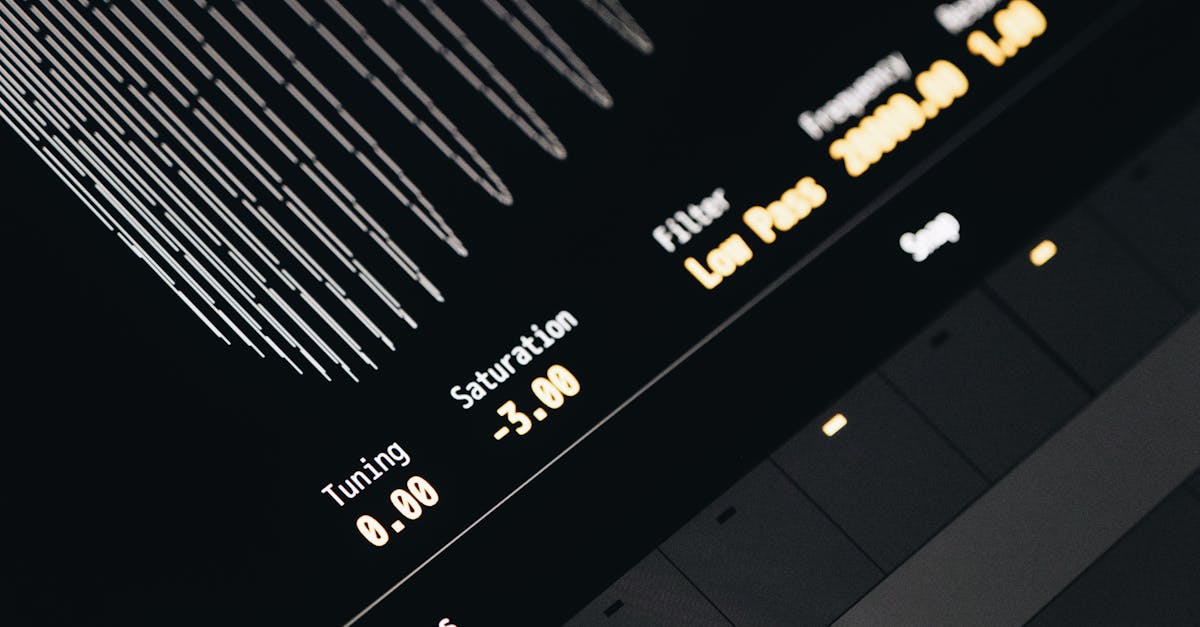
Electronic Music: EDM producers live and die by transitions. The "then connect" here is almost always textural. Listen to "Strobe" by deadmau5. The way he uses filter sweeps and volume automation to transition from the intro to the main melody is legendary. Steal this: Automate a low-pass filter on your synth during the last four bars of your verse. Slowly open it up as the chorus approaches. It creates a sense of arrival.
Pro tip: Don’t just copy — adapt. Take the concept and make it your own. A rhythmic bridge in pop might become a drum fill in rock or a snare roll in EDM. The idea is universal.
The 3 Mistakes That Kill Your "Then Connect" (And How to Fix Them)
I’ve made every mistake in the book. Here are the most common ones, and how to avoid them.
1. The Abrupt Abortion: You jump from one section to another with zero warning. The listener feels like they got whiplash. Fix it: Add a one-bar transition — a simple fill, a held note, or a rhythmic change. Even a single cymbal crash can make a difference.
2. The Overcooked Transition: You get too fancy. You add too many elements — a drum fill, a synth riser, a vocal chop, a guitar slide — and it becomes a mess. Fix it: Less is more. Pick one element (rhythmic, harmonic, or textural) and let it shine. The best transitions are invisible.
3. The Predictable Pattern: Every transition sounds the same. Every chorus is preceded by a snare roll, every bridge by a key change. It becomes formulaic and boring. Fix it: Mix it up. Use a rhythmic bridge in one song, a harmonic shift in another, a textural gradient in a third. Variety keeps your music fresh.
A bonus mistake: Ignoring the silence. Sometimes the best "then connect" is a moment of silence before a big drop. It’s counterintuitive, but it works. Think of the pause before the chorus in "We Will Rock You." That silence is louder than any drum fill.
The Future of "Then Connect": Why AI Can’t Replace This Skill
I’m going to end with a thought that keeps me up at night. We’re in an era where AI can generate chord progressions, melodies, and even full songs. But can AI master "then connect"? I don’t think so.
Here’s why: "Then connect" is about intent. It’s about understanding the emotional arc of a song and making a decision that serves that arc. AI can analyze patterns — it knows that 70% of pop songs use a snare roll before the chorus. But it doesn’t feel the tension. It doesn’t know when to hold back or when to push forward.
The human touch is irreplaceable. I’ve spent hours tweaking a two-bar transition, trying to get the right feel. A machine might hit the right notes, but it won’t hit the right emotion. That’s your superpower.
So, the next time you listen to a song — whether it’s a chart-topping pop hit or a bedroom indie track — pay attention to the connections. Notice how the verse flows into the chorus. Feel the tension and release. And if you’re making music, don’t just write parts. Write the spaces between.
Because in the end, music isn’t about the notes. It’s about the journey. And "then connect" is the road that gets you there.
What’s your favorite "then connect" moment in a song? I’d love to hear it. Drop it in the comments or share it with me on socials. Let’s keep this conversation going — because the best music is the kind that connects us.