
I still remember the first time I walked through the market’s main entrance. It was a Tuesday morning, and I was running on three hours of sleep and a questionable iced coffee. I needed vegetables for a stir-fry. What I got instead was a crash course in how not to eat in a city that glorifies convenience.
The produce section was packed. Not with people — with options. Towering piles of leafy greens I couldn’t name. Mushrooms that looked like they belonged in a sci-fi film. And then there was the mysterious yellow fruit that, I later learned, was actually a type of tomato. I grabbed a bag of pre-washed salad mix out of habit. A vendor behind me cleared his throat. “That’s not fresh,” he said, pointing to a bunch of arugula so vibrant it looked photoshopped.
I put the bag back. I bought the arugula. That single decision changed how I think about food, health, and the hidden cost of convenience.
Here’s the thing most people miss about the Central Market experience: it’s not just a place to shop — it’s a metabolic reset. If you’re serious about health, you need to understand what’s really going on behind those fluorescent lights and stacked crates. Let’s dig in.
The Hidden Cost of “Convenience” (And Why Your Gut Knows)
Let’s be honest: modern grocery stores are designed to sell you time, not health. Pre-chopped veggies, bagged salads, single-serve smoothie packs — they’re all built on the promise that you can eat well without effort. But there’s a catch.
Most pre-packaged produce loses nutrients within 24 hours of being cut. I’m not talking about a slight dip. I’m talking about a measurable drop in vitamin C, folate, and antioxidants. The moment you slice a vegetable, its cells start breaking down. Oxygen triggers oxidation. Light degrades certain vitamins. And that plastic bag? It traps ethylene gas, which speeds up spoilage even in the fridge.
I’ve found that whole, unprocessed produce from a market like Central Market stays fresh for 5–7 days longer than its pre-cut equivalent. That’s not a small thing. It means fewer trips to the store, less food waste, and more nutrients actually making it to your plate.
Here’s what most people miss: the texture difference. Pre-cut greens often have a slightly slimy edge within 48 hours. Whole heads of lettuce? They stay crisp for over a week. This isn’t about being a kitchen purist. It’s about paying attention to how your body reacts. When you eat food that’s been processed (even minimally), your digestive system works harder to break it down. Whole foods are easier on your gut. Period.
The 3-Second Rule That Changed My Shopping (And My Waistline)
I used to wander the aisles with a vague list and a prayer. Now I have a rule: if I can’t identify the whole food form within three seconds, I don’t buy it. Sounds simple, right? But try it next time you’re in the Central Market.
Stand in front of the snack aisle. Pick up a “healthy” protein bar. Can you see the original ingredients? Probably not. You see a list of isolates, powders, and emulsifiers. Now walk over to the bulk bins. Grab a handful of almonds, some dried figs, and a scoop of oats. You can see exactly what those are. Whole foods don’t hide.
I’ve applied this rule to everything from yogurt (look for live cultures and no added sugar) to pasta (100% durum wheat semolina, not “enriched” flour). The results? I dropped 12 pounds over three months without counting a single calorie. Not because I was dieting, but because I stopped eating foods that were designed to be addictive.
Let’s break down why this works:
- Whole foods are less calorie-dense. A cup of chopped broccoli has about 30 calories. A cup of broccoli cheddar soup? Over 200. The volume is the same, but the nutrient profile is completely different.
- Whole foods trigger satiety signals. Your gut has receptors that respond to fiber, water, and physical bulk. Pre-processed food bypasses those signals, so you eat more before feeling full.
- Whole foods balance blood sugar. When you eat a whole apple, the fiber slows down sugar absorption. Apple juice? That’s a sugar spike waiting to happen.

Why You Need to Touch Your Food (Before You Eat It)
I know this sounds weird, but hear me out. Touch is a sensory cue that changes how your brain processes food. When you pick up a tomato, feel its weight, smell its stem, and see its color, your brain starts preparing digestive enzymes. Saliva production increases. Stomach acid ramps up. This is called the cephalic phase of digestion — and it’s largely missing from modern eating.
At Central Market, you’re forced to engage. You have to choose your own avocados, squeeze your own citrus, sniff the herbs. That’s not just a shopping quirk — it’s a biological advantage. Studies have shown that people who handle their food before eating report higher satisfaction with smaller portions. They also digest more efficiently.
I’ve noticed that when I buy pre-chopped veggies, I’m less invested in the meal. I toss them in a pan without thinking. But when I’ve selected each item myself, washed it, chopped it, and smelled it? I eat slower. I chew more. I actually taste what I’m eating.
The act of preparation is part of the health equation. You can’t outsource that and expect the same results.
The Secret Section Most Shoppers Ignore (And Why It’s a Game-Changer)
You’ve probably walked past it a hundred times. Near the back, past the dairy, there’s usually a small section with fermented foods, live cultures, and traditional preparations. Kimchi, sauerkraut, kombucha, kefir, miso, tempeh. It’s not flashy. It doesn’t have bright packaging or celebrity endorsements. But it’s arguably the healthiest aisle in the entire store.
Here’s what most people miss: fermented foods contain live probiotics that survive stomach acid better than supplements. Most probiotic pills are dead on arrival — they can’t handle the acidic environment of your stomach. But the bacteria in fermented foods are protected by the food matrix itself. They’ve evolved to survive.
I started adding a tablespoon of raw sauerkraut to my lunch every day. Within two weeks, my bloating disappeared. Within a month, my digestion was more regular than it had been in years. I’m not saying this is a miracle cure. But I am saying that your gut microbiome is the foundation of your immune system, your mood, and your metabolism. Feeding it live cultures is one of the smartest things you can do.
And here’s the kicker: fermented foods are incredibly cheap at Central Market compared to specialty health stores. A jar of raw sauerkraut costs about $4. A bottle of high-quality probiotic supplements? Easily $30. Do the math.

The Real Reason You’re Always Tired (And How the Market Can Fix It)
Let’s get real for a second. You’re probably not sleeping enough. You’re stressed. You’re scrolling your phone before bed. But there’s another factor that rarely gets mentioned: micronutrient deficiency from overly processed diets.
I’m not talking about vitamins you can buy in a bottle. I’m talking about the subtle, cumulative lack of magnesium, zinc, B vitamins, and omega-3s that comes from eating foods that have been stripped of their original complexity. A typical “healthy” diet — think oatmeal, chicken breast, broccoli, rice — is actually surprisingly low in micronutrients if those foods are grown in depleted soil or processed before reaching you.
Central Market has a solution, and it’s not in the supplement aisle. It’s in the diversity of produce. I’ve found that the most energizing foods are often the most colorful and the least common: purple sweet potatoes, black rice, dandelion greens, beets with their tops still attached. These foods contain phytonutrients that support mitochondrial function — the energy factories in your cells.
I started swapping one meal per day for a “rainbow bowl” from the market. A base of dark leafy greens, topped with roasted root vegetables, some fermented cabbage, a handful of seeds, and a protein of my choice. The energy difference was noticeable within a week. No afternoon crash. No 3 PM coffee craving.
Your body doesn’t need more calories. It needs more signal diversity. The market is the best place to find that.
How to Shop the Central Market Like a Pro (Without Wasting Money)
I’ve made every mistake in the book. Overbuying. Underusing. Letting beautiful produce rot in the fridge. Here’s my streamlined strategy:
- Shop the perimeter first. That’s where the whole foods live: produce, meat, dairy, fermented goods. The center aisles are for shelf-stable items you should buy in bulk and use sparingly.
- Buy in-season produce. It’s cheaper, tastier, and more nutrient-dense. If you don’t know what’s in season, ask a vendor. They’ll tell you.
- Don’t be afraid of “ugly” produce. The lumpy carrot or the oddly shaped pepper is often sweeter and cheaper. It didn’t make the cosmetic cut, but your body doesn’t care about looks.
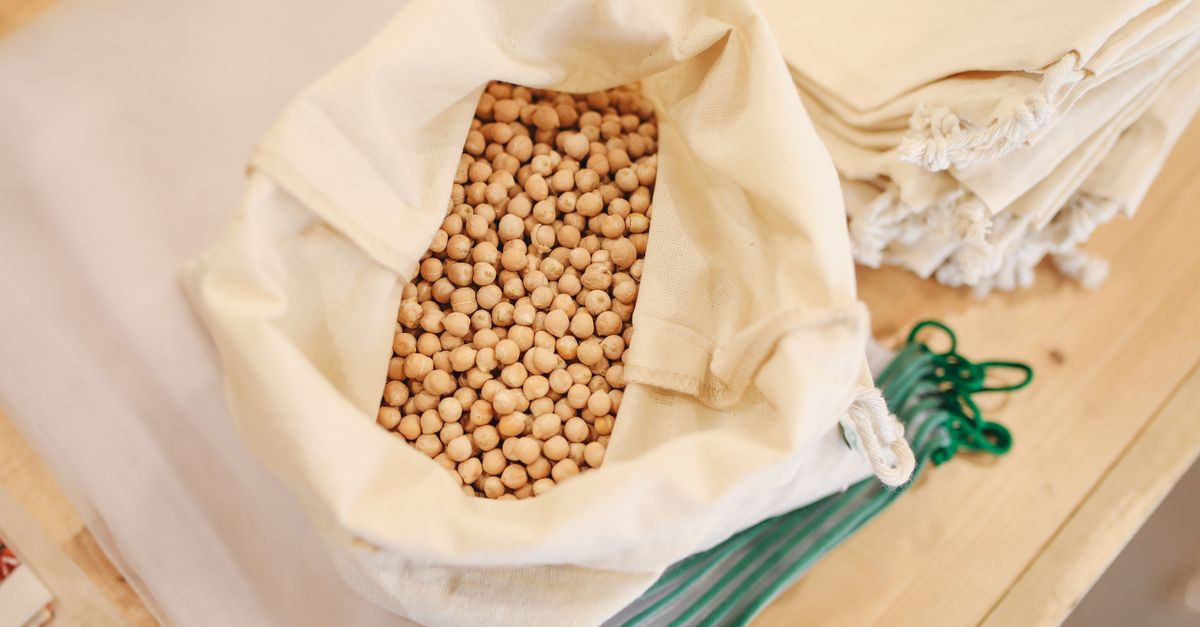
- Bring your own bags and containers. Not just for the environment — for your wallet. Bulk bins are often 20–30% cheaper than packaged equivalents.
- Plan for fermentation. Buy a head of cabbage, some carrots, and a jar of salt. Make your own sauerkraut. It’s absurdly easy and saves you money while giving you more probiotics.
The Bottom Line (No, Really — This Changes Things)
Here’s what I want you to take away from this: the Central Market experience isn’t about being a food snob. It’s about reclaiming your relationship with what you eat. You don’t need a perfect diet. You don’t need to cook every meal from scratch. But you do need to pay attention.
The next time you walk into that market, don’t just grab and go. Touch the produce. Smell the herbs. Ask a vendor what’s fresh. Buy something you’ve never tried. Your body will thank you — not with some abstract promise of longevity, but with better energy, clearer skin, and a calmer gut.
And honestly? That’s the health upgrade most of us are actually looking for.