
Okay, let’s be honest. You can probably guess what I’m about to say, and you’re probably already rolling your eyes. The 10 PM study session. The midnight cram. The "I’ll just finish this one chapter" that turns into a 3 AM zombie shuffle. We romanticize it. We call it "the grind." We wear the all-nighter like a badge of honor. But I’m here to tell you something that might sting: That 10 PM study session isn't making you smarter. It’s making you dumber.
I know. It hurts. I’ve been there. I’ve been the guy with three energy drinks, a highlighter, and a prayer, trying to force calculus into my brain at an hour when my brain was actively trying to shut down for maintenance. We think we’re being productive. We think we’re hustling. But what we’re actually doing is sabotaging the very learning we’re trying to achieve. Let’s break this illusion wide open.
The 10 PM Productivity Myth: Why Your Brain is Actually Offline
Here’s what most people miss: Your brain is not a muscle that gets stronger the longer you use it. It’s more like a smartphone battery. You can use it all day, but by 10 PM, you’re running on 5%. You’re in low-power mode, and every app (read: every new piece of information) you try to open is going to crash.
I’ve found that the quality of my study time after 9 PM is, scientifically speaking, garbage. I’m reading the same sentence five times. I’m highlighting entire paragraphs because I can’t figure out what’s important. I’m convinced I’ve memorized a formula, only to wake up and realize I learned it wrong. *The 10 PM study session gives you the feeling of productivity without the reality of learning.
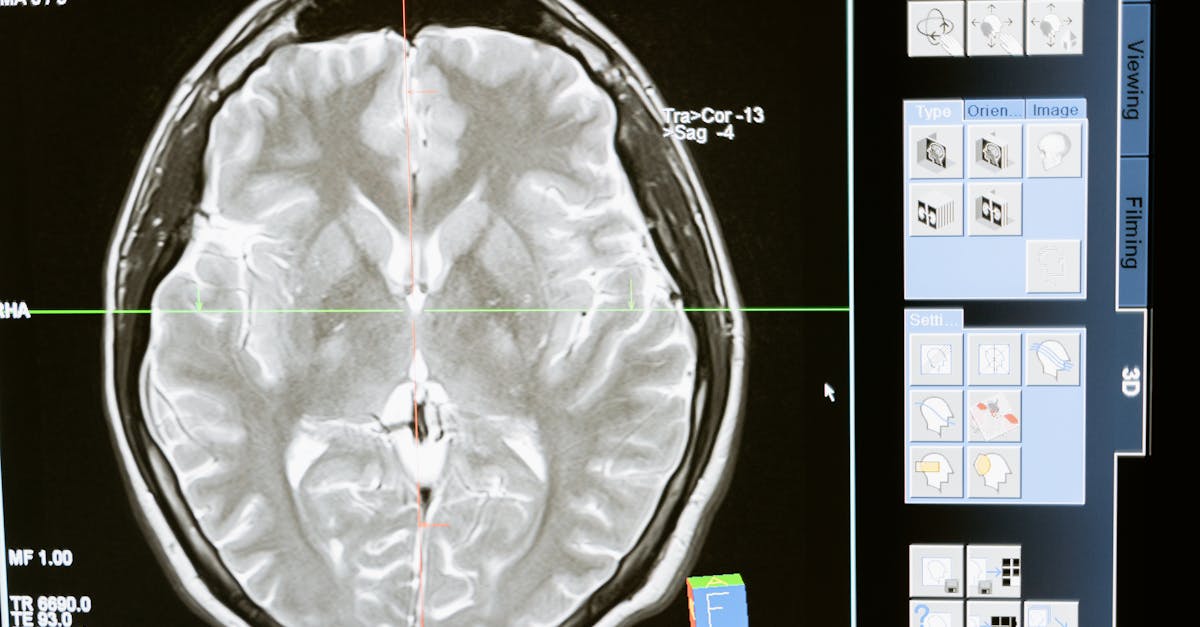
Let’s look at the hard evidence. Your brain’s prefrontal cortex—the CEO, the decision-maker, the logic center—gets tired. By 10 PM, your cognitive load is maxed out. You have less working memory. Your ability to connect new information to old information is severely impaired. You are literally operating with a handicap.
I used to think, "I’m a night owl, this is my time." And sure, some people are genetically predisposed to be more alert later. But let’s be real: most of us aren't night owls. We’re just procrastinators who ran out of daylight. The 10 PM session isn't a sign of discipline; it's a sign of poor planning. It’s the panic button you hit when you realize you wasted the afternoon on TikTok.
The Hidden Tax of "Just One More Hour"
You think you’re stealing time from sleep to study. But you’re actually stealing the time from sleep to un-learn everything you just studied. Let’s talk about the real cost of that 10 PM session.
Sleep is when learning happens. Period. While you’re dreaming, your brain is replaying the day’s events. It’s consolidating memories. It’s moving information from your temporary "hippocampus" storage to your permanent "cortex" hard drive. When you skip sleep to study at 10 PM, you are essentially working a double shift at a factory and then burning the inventory you made.
Here’s a shocking truth: One hour of sleep lost can erase the benefit of two hours of studying. So that two-hour 10 PM cram session? You might as well have watched Netflix. You’re not retaining it. Your brain is too tired to file it away properly. You wake up the next day feeling groggy, your cognitive function is shot, and you have to re-learn everything you “studied” last night. It’s a vicious, inefficient cycle.
I remember a semester in university where I thought I was a beast. I was "studying" from 10 PM to 2 AM every night. My grades… were mediocre. I was exhausted, irritable, and constantly sick. Then, I switched my strategy. I started studying from 6 AM to 8 AM. I cut my study time in half and my GPA went up a full point. It wasn’t magic. It was biology. I was working with my brain, not against it.
7 Secrets to Reclaiming Your Evening (And Your Brain)
So, how do you break the 10 PM habit? You don't need more willpower. You need a better system. Here’s what I've found actually works. This isn't generic advice to "go to bed earlier." This is a tactical withdrawal.
- The 8 PM Hard Stop. Treat 8 PM like a closing time. No new study topics. No "I’ll just review one more thing." At 8 PM, you lock the books. This creates a sense of urgency earlier in the day. You’ll be shocked at how efficient you become when you know you have a hard deadline.
- The "Brain Dump" Ritual. Before you shut down, spend 5 minutes writing down everything you need to do tomorrow. This offloads the mental burden. Your brain stops trying to remember to remember things, and can actually relax.
- Change Your Environment. Your study space should not be your sleep space. If you study in bed, your brain gets confused. Your bed becomes a place of anxiety, and your study desk becomes a place of sleep. Create distinct zones. When you leave your study area at 8 PM, you leave the work behind.
- The "Micro-Win" Study Block. Instead of a 3-hour marathon at 10 PM, do three 25-minute blocks at 9 AM, 2 PM, and 7 PM. You’ll get more done in 75 minutes of focused, alert time than in 3 hours of zombie time.
- The 10 PM Wind-Down. Replace the study session with a wind-down session. Read fiction (not a textbook). Take a warm shower. Listen to a podcast. Do something that signals to your nervous system that the day is over. This is not a waste of time; this is an investment in tomorrow's learning capacity.
- The "Sunlight First" Rule. The best way to fix your 10 PM problem is to fix your 6 AM problem. Get 10-15 minutes of sunlight in your eyes (not through a window) within an hour of waking. This sets your circadian clock. It tells your brain when to be alert and when to wind down.
- Embrace the "Low-Stakes" Evening. Let your evenings be for connection, not cognition. Call a friend. Cook a real meal. Watch a movie. A rested, happy brain is a learning machine. A tired, stressed brain is a sieve.

The "Early Bird" vs. "Night Owl" Reality Check
I know what you’re thinking. "Adeola, you don't get it. I am a night owl. My brain doesn't wake up until 10 PM." I hear you. And there is some genetic truth to chronotypes. Some people do have a natural delay in their sleep-wake cycle.
But let’s be honest with ourselves. Most people who claim to be night owls are actually just procrastinators. The environment is quieter at night. There are fewer distractions. The pressure is off because you "ran out of time." It feels like a secret, focused window. But the feeling of focus is often just the feeling of isolation.
Here’s a challenge: Try being an early bird for just one week. I’m not asking you to become a 5 AM club member. Just try waking up an hour earlier and studying for that hour. Then, go to bed an hour earlier. I guarantee you, the quality of that morning study session will blow the 10 PM session out of the water. You’ll be more focused. You’ll retain more. And you won’t feel like a zombie the next day.
The Secret to Sustainable Success: Studying For Tomorrow, Not At* The Expense of Tomorrow
The most successful students and professionals I know don't have a "grind" mentality. They have a "consistency" mentality. They understand that learning is a marathon, not a sprint. And you don't run a marathon on four hours of sleep and a 10 PM study session.
The 10 PM session is a short-term fix that creates a long-term problem. It robs you of sleep, which robs you of memory, which forces you to study more, which robs you of more sleep. It’s a debt spiral.
The real secret? Study with the goal of being well-rested for the next day's learning. Your job isn't to master everything tonight. Your job is to set yourself up to master it tomorrow. When you shift your mindset from "I need to finish this now" to "I need to prepare my brain to learn this tomorrow," everything changes.
You stop being a firefighter, running from emergency to emergency at 10 PM. You become an architect, building a strong foundation for understanding.
Your 10 PM Liberation Plan
So, here’s your call to action. Tonight, at 9:45 PM, do not open your textbook. Do not start that assignment. Instead, do this:
- Put your phone in another room.
- Get your clothes ready for tomorrow.
- Write down your top three study goals for the morning.
- Read a fictional book for 20 minutes.
- Go to sleep.
The 10 PM study session is a trap. It’s a comfortable, familiar trap that feels like hard work. But the real work is having the discipline to stop. The real work is trusting your brain to do its job while you sleep.
You don't need to study more. You need to sleep more. Your grades, your sanity, and your future self will thank you.
Now, go to bed. Seriously. Your next study session starts tomorrow morning.