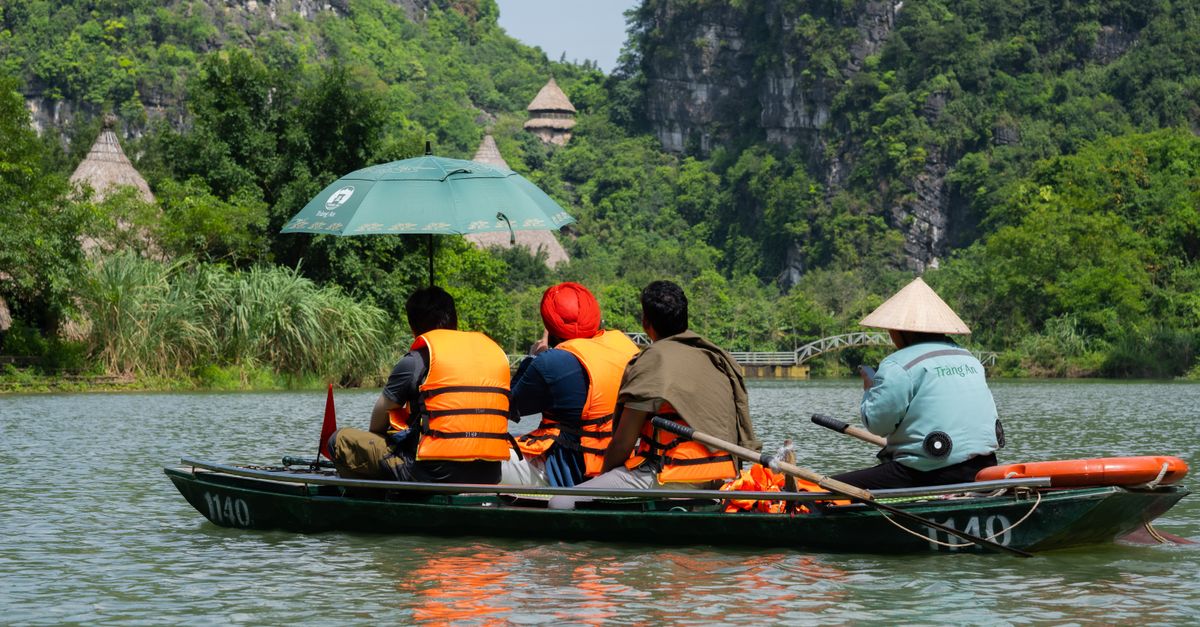
I remember standing in a dusty parking lot in a small town in West Africa, watching a busload of tourists pile out. They were all wearing the same beige safari hats and carrying the same bottled water. A local guide herded them toward a market where every stall sold the exact same wooden masks. The tourists snapped photos of the women cooking, without asking. They bargained for prices that were already a joke. And I thought: this isn’t connection. This is a transaction dressed up as culture.
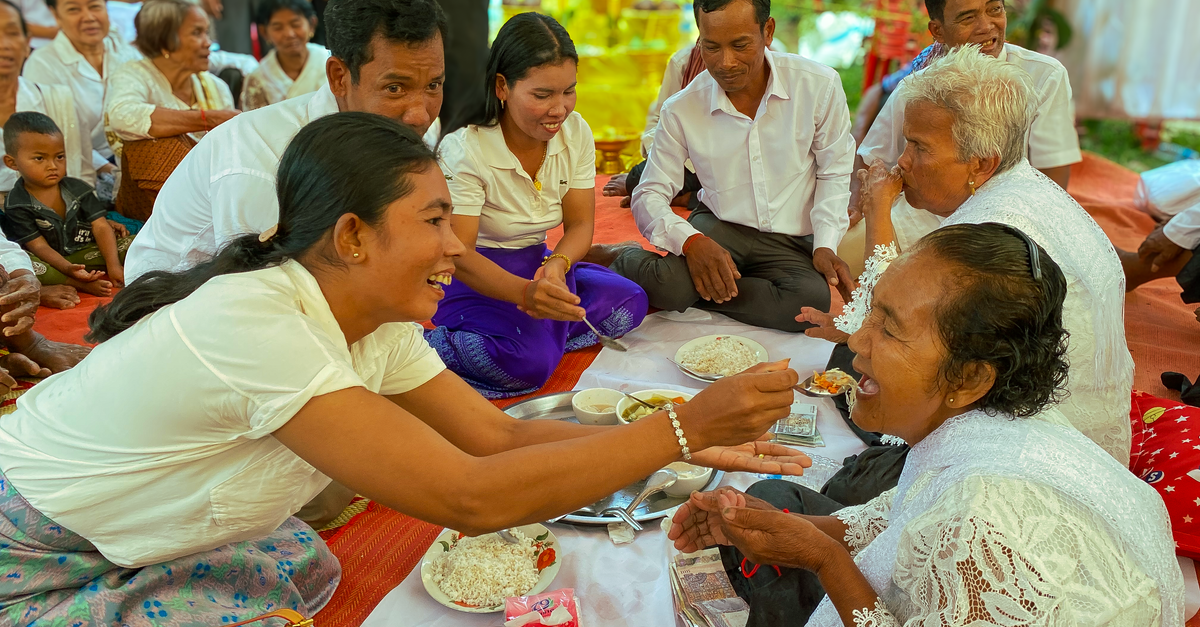
Let’s be honest — tourism as we know it is broken. But a new kind of travel is rising from the ashes of mass tourism. It’s called cultural tourism, and it’s not just about seeing different places. It’s about feeling different places. It’s the difference between watching a dance performance and being invited to join the circle. Between eating a street food that everyone raves about and sharing a meal cooked by a grandmother who tells you the story behind the recipe.
I’ve spent years traveling to over 40 countries, and I’ve found that real cultural tourism changes you. Not your Instagram feed. Not your passport stamps. You. So let me take you behind the scenes of what most people miss about this transformative way to explore the world.
The Truth Nobody Tells You About “Experiencing” a Place
Here’s what most people miss: cultural tourism isn’t a checklist. It’s not visiting 10 temples in 3 days. It’s not buying the same souvenir keychain that everyone else buys. It’s not even about the “big” sights.
I learned this the hard way. My first trip to Japan, I crammed into the Shibuya crossing, took the required photo of the bamboo forest in Kyoto, and ate sushi at a conveyor belt restaurant. I came home with a phone full of pictures and a head full of nothing. I hadn’t experienced Japan. I had consumed it.
Real cultural tourism happens when you stop being a spectator. It happens when you:
- Stay in a family-run guesthouse instead of a chain hotel
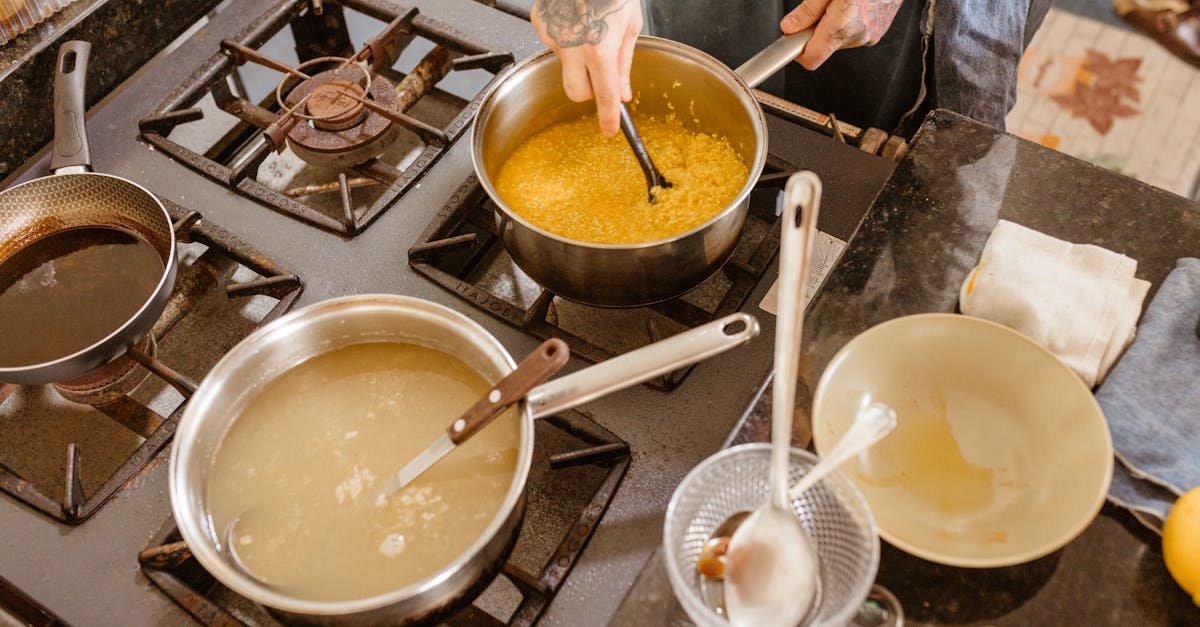
- Take a cooking class from a local who teaches you more than just the recipe
- Visit a community project that actually benefits the people there
- Learn a few phrases in the local language — and use them, badly
- Say yes to an invitation you didn’t plan for
Why Most “Cultural” Tours Are a Lie (And How to Fix Yours)
Let me call it like I see it: most “cultural” tours are just mass tourism in a fancier costume. They slap the word “authentic” on a brochure, bus you to a “traditional village” where people perform their daily lives for your camera, and call it a day.
I once paid $80 for a “cultural immersion” tour in Southeast Asia. The guide took us to a hill tribe village where the women were paid to weave scarves for tourists. The kids held out their hands for candy. The whole thing felt like a zoo exhibit. I left feeling dirty, not enriched.
Here’s the secret: true cultural tourism is messy. It’s uncomfortable. It might mean eating something you don’t recognize, sleeping in a room without air conditioning, or having a conversation using hand gestures and Google Translate. And that’s exactly why it works.
So how do you fix your approach? Start by asking yourself three questions before any trip:
- Who benefits from my visit? If the answer is only the tour company, you’re doing it wrong.
- Am I learning or just observing? If you’re just taking photos, you’re missing the point.
- What would I do if I lived here for a month? That question shifts your mindset from tourist to temporary local.
The Hidden Superpower of Cultural Tourism: Preservation
Here’s something most people don’t realize: cultural tourism can save dying traditions. But only if it’s done right.
In many parts of the world, traditional crafts, languages, and rituals are disappearing. Young people leave for cities. Elders pass away without passing on their knowledge. And then a funny thing happens: tourists start to show interest.
I’ve seen this firsthand in a small weaving village in Guatemala. The women there had almost stopped making their traditional textiles. The younger generation didn’t care. Then a few travelers discovered the work. They bought pieces, shared photos, and wrote about it. Suddenly, there was demand. The women started teaching their daughters again. The patterns that were nearly lost began to reappear.
But here’s the catch — this only works when tourism respects the culture, not commodifies it. When tourists demand “authentic” but refuse to pay fair prices, the artisans start cutting corners. The quality drops. The meaning fades. What was once a sacred tradition becomes a souvenir.
I always tell people: if you love a culture, pay for it properly. That handwoven scarf? Pay what it’s worth. That dance performance? Don’t haggle over the entrance fee. That meal in someone’s home? Leave a generous tip. You’re not just paying for a product — you’re voting to keep that culture alive.

The 3 Rules I Live By for Genuine Cultural Immersion
After years of getting it wrong, I finally developed a system. These three rules have never failed me:
Rule 1: Ditch the guidebook for the first 24 hours. Land in a new place and just wander. Get lost. Talk to a street vendor. Follow a sound — music, laughter, sizzling food. Let the city introduce itself to you on its own terms. You can always check the guidebook later for the “must-see” spots, but you’ll never get back that first unfiltered impression.
Rule 2: Find the third place. Sociologists call it the “third place” — not home, not work, but somewhere in between. For locals, it’s the corner cafe, the barbershop, the park bench where old men play chess. Find that place in every city you visit. Sit there for an hour. Order something. Watch. Listen. You’ll learn more about a culture in that hour than in a day of museum hopping.
Rule 3: Learn to be uncomfortable. I’m serious. The best cultural experiences are the ones that scare you a little. The food that looks weird. The transportation system you don’t understand. The invitation to a ceremony you know nothing about. Lean into that discomfort. That’s where growth happens.
What Happens When Tourism Goes Wrong (And How You Can Be Part of the Solution)
Let’s not sugarcoat it — cultural tourism has a dark side. When done poorly, it can destroy the very thing it claims to celebrate.
I’ve seen villages turned into theme parks. I’ve watched sacred ceremonies become photo ops. I’ve met locals who resent tourists because they’ve been treated like exhibits in a human zoo. The worst part? The tourists often don’t even realize what they’re doing.
Here are the red flags to watch for:
- Performances that feel rushed or mechanical — the dancers look bored
- Guides who only speak in scripts — they can’t answer real questions
- Locals who avoid eye contact — they’re tired of being stared at
- Prices that are clearly inflated for tourists — it’s not about value, it’s about exploitation
The Surprising Truth: You’re Not the Main Character
This is the hardest lesson for most travelers to learn: you are not the star of this story. The culture you’re visiting existed long before you arrived and will continue long after you leave. You’re a guest. Act like one.
I’ve found that the most transformative cultural tourism experiences happen when you get out of your own way. When you stop thinking about what you can “get” from a place and start thinking about what you can “give” — your respect, your attention, your willingness to learn.
In India, a rickshaw driver once told me: “Tourists come to see my poverty. Travelers come to see my life.” That sentence has stuck with me for years. Are you looking at someone’s life like it’s a museum exhibit, or are you sharing a moment of genuine human connection?
Your Move: Stop Reading, Start Experiencing
Here’s the thing — you can read a thousand articles about cultural tourism (and I’m glad you read this one), but nothing changes until you book that trip with intention.
I want you to do something different. Next time you travel, don’t plan every minute. Leave room for the unexpected. Say yes to the invitation you don’t understand. Eat the thing you can’t pronounce. Talk to the person who looks different from you.
And when you come back, don’t just show me your photos. Tell me how you felt. Tell me what changed.
Because real cultural tourism isn’t about the places you go. It’s about the person you become along the way.
Now go book that trip. The world is waiting.