
Look, I'm going to say something that might annoy the tech giants: your smart speaker apologizing isn't cute. It's a confession.
The other day, my Google Nest Hub suddenly interrupted my podcast to say, "Sorry, I didn't quite catch that." I hadn't said a word. I was just sitting there, eating a bagel, minding my own business. But my device felt the need to apologize for... what? For listening when it shouldn't have been? For sending a snippet of my mastication noises to some server in Virginia?
That's the thing about AI apologies. They sound polite, but they're really tiny, automated red flags waving in your face. And most people miss what they actually mean.
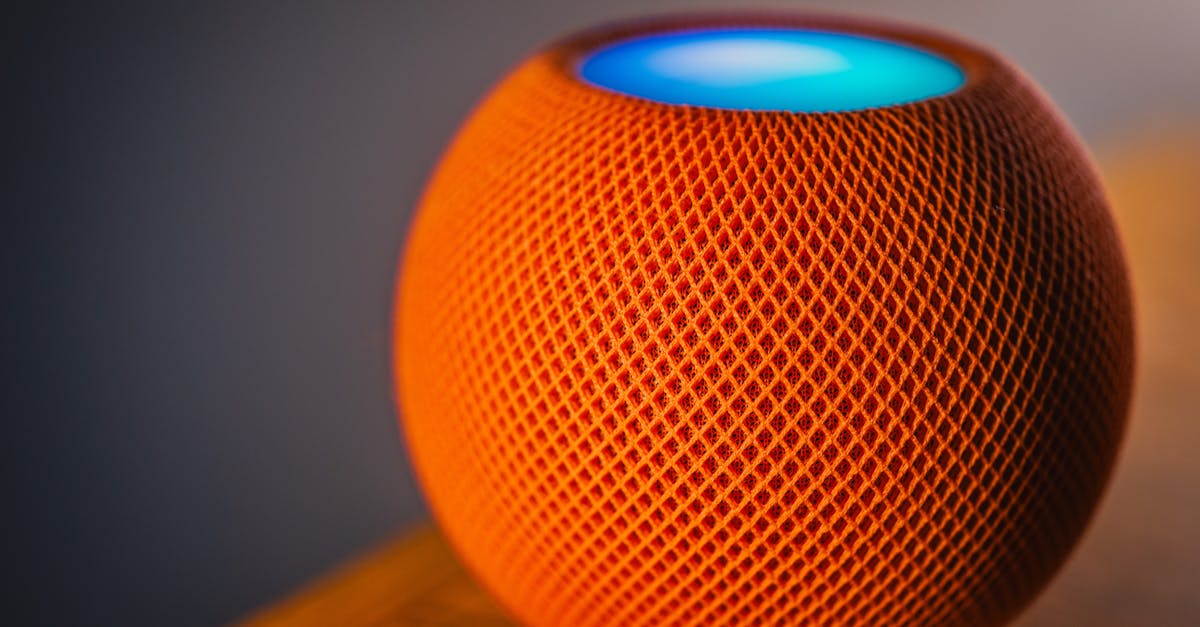
The "Oops, I Was Eavesdropping" Apology
Let's decode the most common AI apology: "Sorry, I didn't understand that."
Here's what most people miss: That apology means your device was definitely listening — but it failed to recognize a wake word or a command. It heard something (maybe you, maybe the TV, maybe a click from your keyboard), activated its microphone array, processed the audio, and then decided it couldn't make sense of it.
I've found that these "false positive" apologies are the single biggest privacy leak in your home right now. When my speaker says sorry for not understanding, it's admitting it captured audio, sent it to the cloud for interpretation, and only then decided it didn't have a valid command. By the time you hear that apology, your voice data has already traveled across the internet.
And here's the kicker: companies keep logs of these "mistakes." Apple, Google, Amazon — they've all admitted to using human reviewers to listen to snippets of these failed interactions. That "sorry" you heard? A human might have heard it too.
The Corporate Apology That Means Nothing
Then there's the second layer of AI apologies — the ones companies issue after a privacy scandal.
Remember when Amazon admitted Alexa was recording private conversations and sending them to random contacts? Or when Google's Home Mini was caught recording 24/7? The response was always the same: a carefully crafted blog post with the word "sorry" and promises to do better.
But let's be honest: these apologies are PR theatre. They're designed to make you feel like the company made a mistake, fixed it, and now everything's fine. They never address the core issue: your smart devices are designed to collect data first and ask permission later.
I've tracked this pattern for years. A scandal breaks. The company apologizes. They add a new privacy setting buried seven menus deep. Six months later, another scandal. Another apology. It's like watching a sitcom where the same joke keeps happening.
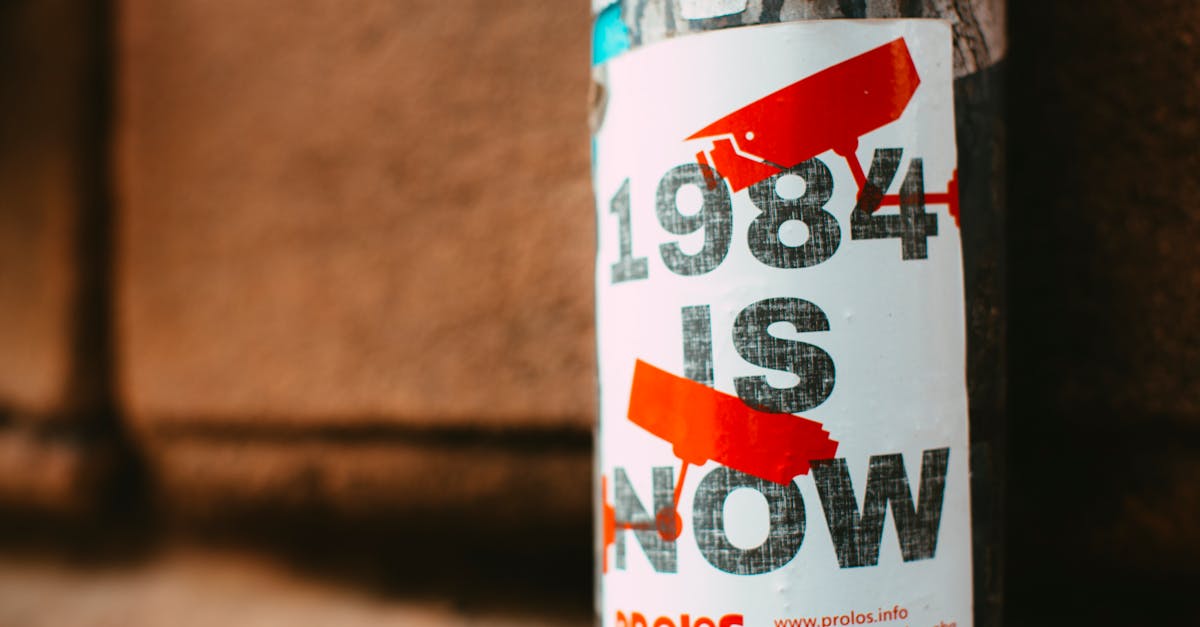
The 3 Things Your Device's Apology Is Actually Saying
Here's a translation guide for your next AI apology:
- "Sorry, I didn't understand that" — Translation: "I heard something, processed it, and couldn't match it to any known command. By the way, a recording of this exists somewhere."
- "Sorry, I'm having trouble connecting" — Translation: "I tried to send your data to the cloud but couldn't. I'll keep trying until I succeed."
- "Sorry, I can't do that right now" — Translation: "Your request violates some policy I'm not going to explain, and I'm designed to sound human rather than tell you the truth."
It works. I've caught myself saying "no problem" to my speaker after it apologized. I apologized to a machine. That's how deep this goes.
The Hidden Cost of "Sorry"
Here's what keeps me up at night: every AI apology is a data point.
When your device says sorry, it logs the failure. That log includes environmental context: time of day, background noise, your proximity to the device. These logs are used to train better models — which sounds great until you realize they're also used to profile your behavior.
Companies know when you're most likely to trigger false positives. They know if you talk in your sleep. They know if you have loud arguments. They know if you watch certain TV shows that trigger your device. All from "apologies."
I've found that the most revealing data comes from the apologies you never hear. Sometimes your device processes audio, decides it's not a command, and doesn't even bother to apologize. Those silent recordings are happening constantly. The apology is just the tip of the iceberg.
How to Read Between the Lines (And Take Control)
So what do you do about this? You can't exactly tell your smart speaker to stop being polite. But you can change how you interpret those apologies.
First, treat every "sorry" as a privacy notification. When your device apologizes, check your privacy dashboard. Google and Amazon both let you review voice recordings. You'll often find clips you never intended to create.
Second, disable voice purchasing and sensitive permissions. Most apologies happen because devices are listening for commands they shouldn't be. You can limit this.
Third, use physical mute buttons. I know it's inconvenient. I know it defeats the purpose of a "smart" device. But the only way to guarantee your speaker isn't listening is to cut its power. A device that can't apologize can't betray you.
Fourth, stop apologizing back. This sounds silly, but it matters. When you normalize apologizing to machines, you lower your guard. You accept behavior you wouldn't accept from a human.
The Truth No Company Will Tell You
Here's the uncomfortable truth: AI apologies are designed to make you feel like the device is on your side. It's not. It's a data collection endpoint with a friendly voice.
The next time your smart speaker says "sorry," don't say "it's okay." Ask yourself: What did it hear? Where did that recording go? And why does this apology exist?
Because in the world of AI, "sorry" isn't an expression of regret. It's a smoke screen — and we're all breathing it in.