
Let me tell you something — I spent three years teaching high school English before the pandemic, and another two years after it. The difference? It’s not just the masks or the Zoom screens. It’s the silence. The kind of silence that used to mean focus now feels like a held breath. Students aren’t just tired; they’re empty. And here’s the kicker — most schools are still acting like a little extra recess will fix it.
We’re looking at the biggest mental health crisis in education since the polio scares of the 1950s, but the response has been the educational equivalent of putting a Band-Aid on a bullet wound. So let’s cut through the noise and talk about what’s really happening in post-pandemic classrooms — and what we should be doing about it.
The Burnout Tsunami Nobody Predicted
Here’s what most people miss: student burnout didn’t start with COVID. The pandemic just poured jet fuel on a fire that was already burning. Before 2020, we had rising rates of anxiety, sleep deprivation, and academic pressure that would make a Silicon Valley CEO wince. The pandemic didn’t create the problem; it just turned the volume up to 11.
I’ve found that the students coming back to physical classrooms in 2022 and 2023 aren’t the same kids who left in 2020. They’re carrying something heavier. It’s not just missed lessons — it’s missed developmental milestones, social grief, and a lingering sense that the world is fundamentally unstable. One of my former students told me, “I feel like I’m playing catch-up with my own life.”
The numbers back this up. A 2023 CDC report found that 37% of high school students reported poor mental health during the pandemic, and 44% felt persistently sad or hopeless. We’re not talking about a few bad days — we’re talking about a generation swimming in cortisol.
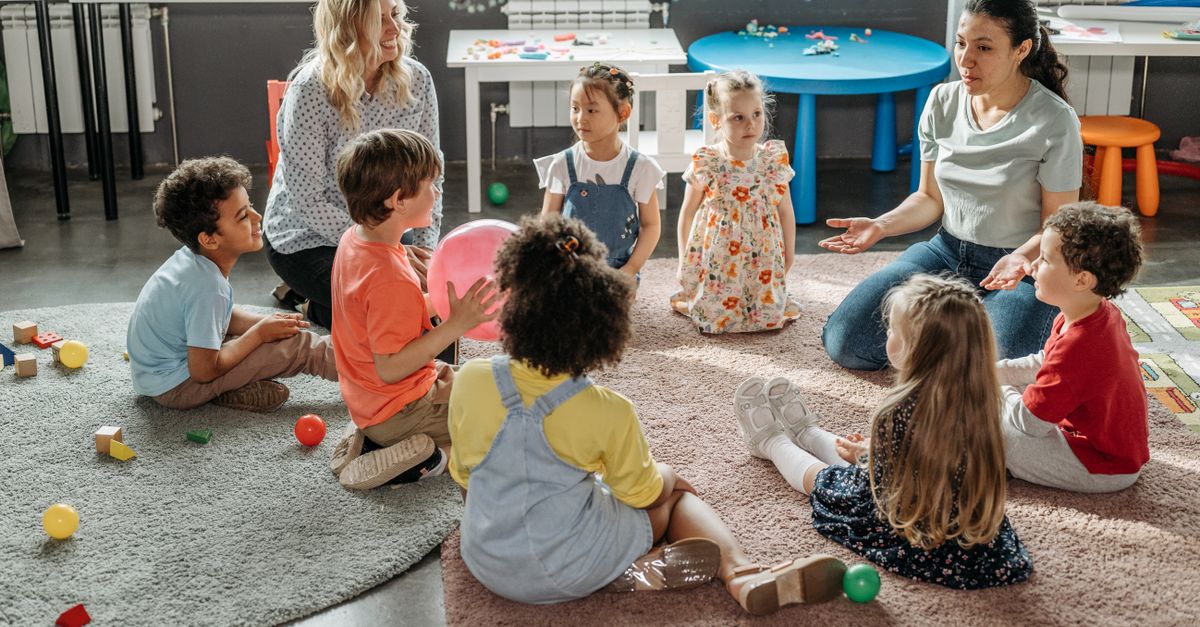
The “Resilience” Trap We Keep Falling Into
Let’s be honest — every school district right now is throwing around the word “resilience” like it’s confetti at a parade. “We’re building resilient learners.” “Students need to develop resilience.” It sounds good. It’s also dangerously incomplete.
Resilience isn’t a muscle you can just exercise into existence. Real resilience requires a foundation of safety, support, and rest. You can’t teach a kid to “bounce back” when they haven’t even had a chance to land. I’ve watched well-meaning administrators pile on more assignments, more SEL worksheets, more “grit” workshops — all while students’ nervous systems are still screaming from the trauma of isolation, illness, and loss.
What we need isn’t more resilience training. We need a reset on what school is for. Is it for churning out perfect test-takers, or is it for raising human beings who can think, feel, and connect? Right now, the system is still optimized for the former while pretending to care about the latter.
What Actually Works — The 3 Pillars of Post-Pandemic Mental Health
I’ve spent the last two years talking to educators, psychologists, and students themselves. After filtering out the buzzwords and the well-intentioned fluff, three strategies kept surfacing as genuinely effective:
- Restructured Schedules — Schools that moved to later start times or built in “wellness blocks” saw measurable drops in anxiety and absenteeism. It’s not rocket science; exhausted brains can’t learn.
- Trauma-Informed Discipline — Instead of zero-tolerance policies that punish dysregulated behavior, schools using restorative practices saw students stay engaged instead of getting pushed out. The punishment model doesn’t heal; it isolates.
- Teacher Mental Health Support — Here’s the dirty secret: you can’t pour from an empty cup. When teachers are burned out, so are their students. Districts that prioritized staff well-being saw trickle-down effects on student morale.

The Hidden Cost of “Catching Up”
Everybody’s talking about learning loss. Politicians, parents, pundits — they’re all screaming about test scores dropping. But here’s what nobody wants to say: the obsession with “catching up” is making the mental health crisis worse.
I’ve seen schools cram two years of curriculum into one, eliminate recess, and pile on homework like it’s 1999. The message students are receiving is clear: your well-being is secondary to your output. No wonder rates of self-harm and suicidal ideation are climbing.
We need to have an uncomfortable conversation about priorities. Is it more important for a 10-year-old to master long division or to feel safe enough to ask for help? I know which one I’d choose, and it’s not the one that shows up on standardized tests.
What Blooming Actually Looks Like
I recently visited a school in Portland that completely redesigned its approach. No bells. No rigid 45-minute periods. Students choose their learning paths, work in collaborative pods, and have mandatory “recharge” breaks built into every day. The principal told me, “We stopped trying to fix kids and started listening to them.”
The results? Suspensions dropped by 60%. Teacher retention went up. And — here’s the part that makes traditionalists nervous — test scores didn’t drop. They actually improved slightly. When you treat students like human beings instead of test-taking machines, they perform better. Shocking, right?
This isn’t about being soft. It’s about being smart. Burnout is not a badge of honor; it’s a system failure. We’ve been running schools on a model designed for the Industrial Revolution, and it’s breaking under the weight of the 21st century.
The Question Nobody Wants to Ask
Here’s my real take: we can’t fix student mental health without rethinking the entire purpose of school. That’s uncomfortable. It threatens jobs, budgets, and decades of tradition. But the alternative is a generation of young people who are technically educated and emotionally bankrupt.
I’m not saying we need to burn it all down. But I am saying that the “post-pandemic classroom” can’t just be the pre-pandemic classroom with a few SEL posters on the wall. The students who walked back in are different. The world they’re inheriting is different. Our approach has to be different.
So here’s my call to action — not for politicians or policymakers, but for you, the teacher, the parent, the student reading this: ask the hard questions. Is your school prioritizing performance over people? Are you? And if the answer makes you uncomfortable, maybe that’s exactly where the change needs to start.
Because burnout isn’t the end of the story. Blooming is possible. But it requires us to stop watering the weeds and start tending to the roots.