
I remember the first time I saw it. I was scrolling through Instagram, half-asleep, and a photo stopped me cold. It wasn't the Eiffel Tower or some Greek island. It was a place called Ho, and it looked like a fever dream — misty mountains, terraced fields that seemed to defy gravity, and a waterfall that looked like it fell straight out of the sky. I immediately started Googling "tourist attractions near Ho," and let me tell you, the rabbit hole I went down was deep. You probably have the same itch right now, don't you? That feeling that there's a hidden corner of the world with secrets the guidebooks forgot to mention.
Most people think of Ho as just a transit stop in the Volta Region of Ghana. They fly in, maybe grab some street food, and then rush off to the Volta Lake or the Wli Waterfalls. But here's the truth: the real magic isn't in the main attractions — it's in the overlooked, the weird, and the off-the-beaten-path spots that the locals guard like family heirlooms. I spent a week in and around Ho last fall, and I made it my mission to dig up the stuff you won't find on TripAdvisor's first page. So pull up a chair, and let me spill the tea on the tourist attractions near Ho that will make you the most interesting person at your next dinner party.

The Waterfall That Will Ruin All Other Waterfalls for You
Let's start with the obvious one, because you can't talk about tourist attractions near Ho without mentioning Wli Waterfalls. But I'm not here to tell you what you already know. I'm here to tell you what most people miss. Yes, Wli is the highest waterfall in West Africa, and yes, the main trail is a gentle 45-minute walk through a lush forest. But here's the secret: go early, like 6 AM early, and skip the main entrance.
Most tourists park at the main gate, pay the fee, and follow the crowd. But there's a local path that starts from the village of Agumatsa. I found it by accident — I got lost trying to find a bathroom, and a kid named Kwame offered to guide me. He took me through a narrow trail that runs along the river, and we arrived at the base of the falls before any other soul. The sound was deafening, but in a good way — like standing inside a thunderstorm that's also a lullaby. The water is cold enough to wake you up faster than any coffee. Pro tip: Wear water shoes with good grip. The rocks are slippery, and I saw a guy in flip-flops take a spectacular tumble into the plunge pool. He was fine, but his ego was bruised.
Afterward, walk to the village and find Mama Grace's stall. She makes a plantain and groundnut stew that will haunt your dreams. I'm not exaggerating — I still think about it at 2 AM sometimes. The key is the smoked fish she adds at the last minute. It's not on any menu; you just have to ask. "Mama Grace's special," I said, and she laughed and brought out a bowl that changed my life. That's the kind of experience you can't book online.
The Mountain Village That Time Forgot
About 30 minutes from Ho, there's a village called Akpafu-Todzi. If you blink, you'll miss the turnoff. The road is unpaved, bumpy, and will test the suspension of your rental car. But that's the point. The places that are hard to reach are usually the ones that leave the deepest mark.
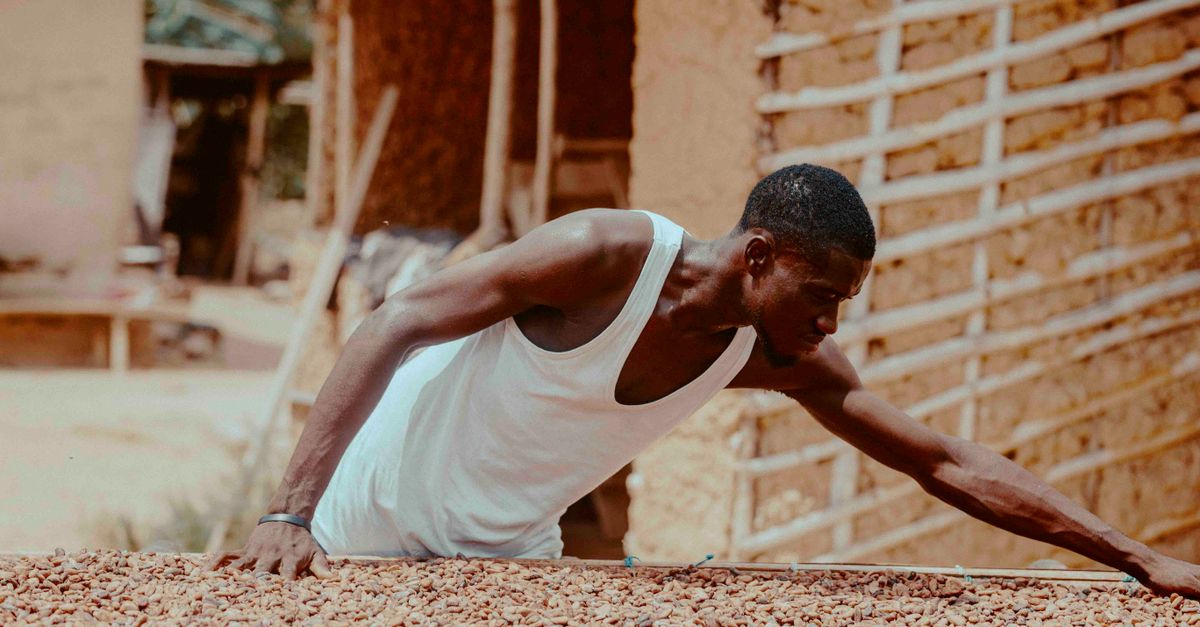
Akpafu-Todzi sits on a hilltop, surrounded by cocoa and coffee farms. The air smells like earth and fermented fruit. When I arrived, an elderly woman named Adzo waved me over to her compound. She didn't speak English, and my Twi was limited to "thank you" and "where is the bathroom." But we communicated through smiles and gestures. She showed me how she roasts cocoa beans over an open fire, grinding them into a paste that smelled like dark chocolate and caramel. She let me taste it — warm, gritty, and absolutely incredible. I bought a bag of her cocoa beans for about $2, and they're still the best souvenir I've ever brought back.
Here's what most people miss: the village has a network of caves used as hideouts during the slave trade. The elders will show you if you ask respectfully. It's not a tourist attraction in the traditional sense — no signs, no gift shop, no Instagram-friendly lighting. But standing in the darkness of those caves, you feel the weight of history. It's humbling. It's the kind of experience that makes you rethink what "attraction" even means. If you go, bring a flashlight and a bottle of water. And be prepared to sit in silence for a few minutes. It's worth it.
The Lake That's Actually a Secret Beach
You've heard of Volta Lake. It's massive, beautiful, and packed with tourists on boat tours. But there's a smaller, quieter spot called Lake Amedzofe that most people skip. Why? Because it's not on the main road. You have to take a dirt track that winds through a eucalyptus forest, and the locals say the road is "tricky" during rainy season. I went during the dry season, and it was still an adventure — my driver, a man named Yao, kept muttering under his breath and making the sign of the cross.
But when we arrived, it was like stepping into a painting. The water is a deep blue-green, surrounded by hills covered in palm trees. There's a small wooden dock that looks like it hasn't been maintained since the 1980s. No jet skis, no loud music, no vendors selling plastic trinkets. Just the sound of birds and the occasional splash of a fish.
I spent the afternoon swimming in the lake, floating on my back and staring at the sky. The water is warm — not bathwater warm, but comfortable enough to stay in for hours. I brought a book but never opened it. Sometimes the best tourist attraction near Ho is just a quiet spot where you can be alone with your thoughts. If you're lucky, you might spot a monitor lizard sunning itself on the rocks. I saw one that was easily three feet long. It looked at me with what I can only describe as indifference. I respected that.
The Market Where You Can Bargain Like a Pro
Ho Market is not for the faint of heart. It's chaotic, loud, and smells like a symphony of spices, fish, and sweat. But it's also one of the most vibrant places I've ever been. And if you know what you're doing, you can walk away with incredible finds.
The key is to arrive early — like 7 AM early. That's when the farmers bring in fresh produce, and the energy is electric. I watched a woman haggle over a pile of yams for 15 minutes, her voice rising and falling like a song. She walked away with a smile and a bag full of yams. The vendor also smiled. Nobody lost. That's the art of bargaining in West Africa: it's a dance, not a fight.
Here's what most tourists miss: the secondhand clothing section in the back. It's a maze of stalls piled high with vintage T-shirts, denim jackets, and shoes from all over the world. I found a 1990s Ghanaian national football team jersey for about $5. It's now my favorite piece of clothing. I also found a pair of leather sandals that looked like they belonged in a museum. The vendor, a man named Kofi, told me they came from a shipment from Italy. I paid $8. If you're patient, you can find treasures that are both unique and affordable.
But the real reason to go to Ho Market is the food. There's a stall run by a woman named Ama who makes kenkey and fried fish that is legendary. Kenkey is a fermented corn dough that's steamed and served with a spicy pepper sauce. It's an acquired taste — tangy, sour, and surprisingly filling. Ama's version is the best I've ever had. She serves it with a side of fried tilapia that's crispy on the outside and flaky on the inside. I ate there three times in two days. No regrets.

The Hidden Gem You'll Want to Keep Secret
Okay, I'm going to share something with you that I almost didn't write about. I'm breaking my own rule here, but I trust you. About an hour from Ho, there's a small town called Kpetoe, known for its Kente cloth weaving. Most people go to the bigger weaving centers in the Ashanti Region, but Kpetoe is quieter, more intimate, and the weavers are incredibly skilled.
I visited a workshop run by a family that has been weaving for generations. The patriarch, an old man named Togbe, showed me how they set up the looms and dye the threads using natural materials — indigo for blue, bark for brown, and leaves for green. The process is slow, deliberate, and mesmerizing. I watched him weave a strip of cloth for an hour, and it felt like meditation.
Here's the secret: you can commission a custom piece. Most tourists buy ready-made cloth, but if you ask, the weavers will create something unique for you. I ordered a scarf in my favorite colors — deep purple and gold — and Togbe's son added a pattern that represented "strength and patience." It took two days. The cost? About $30. I wear it all the time, and every time someone compliments it, I get to tell the story. That's the power of handmade things.
One more thing: there's a small restaurant in Kpetoe called "Togbe's Place" that serves a goat stew that is out of this world. The meat is tender, the sauce is rich, and it comes with fufu (pounded cassava and plantain). It's not fancy — plastic chairs, a tin roof, and a single lightbulb — but the flavor is Michelin-star level. Don't skip it.
The Final Truth About Ho
So here's the thing: tourist attractions near Ho aren't just spots on a map. They're experiences that require a little effort, a little curiosity, and a willingness to get lost. The waterfall is beautiful, but the real magic is the early morning walk with a kid named Kwame. The market is chaotic, but the real treasure is the conversation with Kofi about Italian sandals. The lake is peaceful, but the real gift is the silence that lets you hear your own thoughts.
I've traveled a lot, and I've learned that the best places are the ones that don't try to impress you. They just exist, waiting for someone to show up with an open heart and a sense of adventure. Ho is one of those places. It's not polished, it's not perfect, and it's definitely not for everyone. But if you're the kind of person who reads an article like this and thinks, "I need to go there," then you're exactly the kind of person who will love it.
So pack your bag. Bring comfortable shoes, a flashlight, and an empty stomach. Leave your expectations at home. And when you get there, talk to the locals. Ask questions. Get lost. That's the only way to truly discover the tourist attractions near Ho.
Now, go book that flight. I'll be waiting for your email telling me about your own Mama Grace's special.