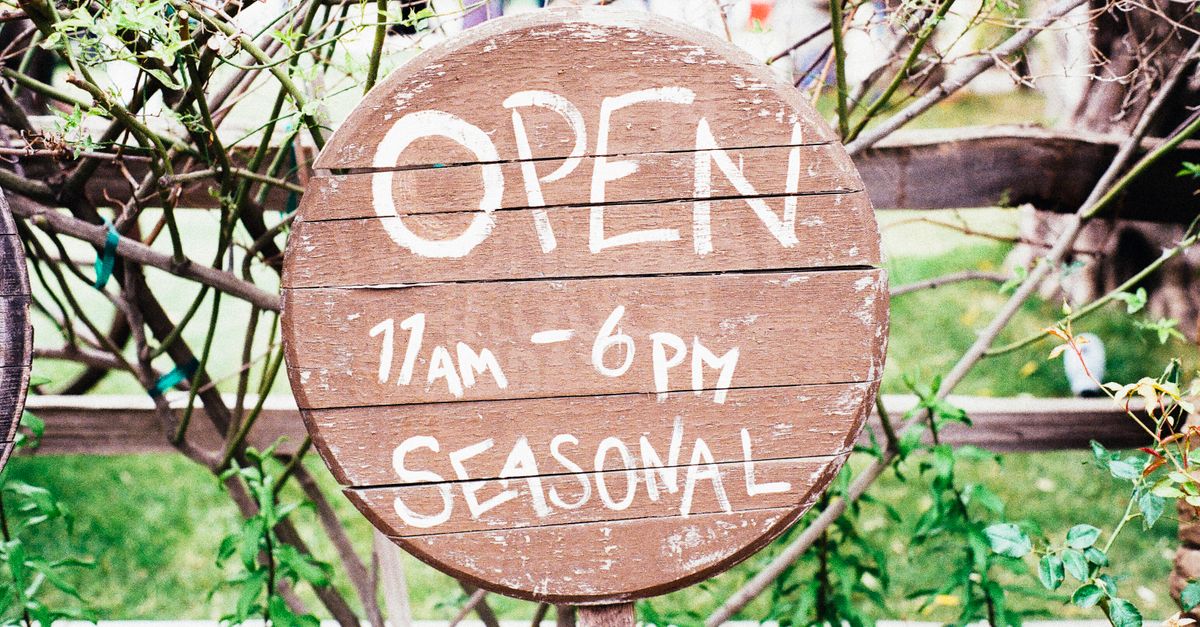
I’m going to say something that might make you uncomfortable: 6pm is the most culturally significant hour of the day, and we’ve been completely gaslighted into treating it like a boring commute or a frantic scramble to get dinner on the table. Let me explain why this specific minute—this six o’clock threshold—holds the secret to reclaiming your life, your creativity, and your sense of belonging in a world that never stops buzzing.
You know that feeling when the clock strikes 6pm and something shifts? The light outside changes, the noise in your head quiets down just a little, and suddenly you realize the day has officially transitioned from “what I have to do” to “what I want to do.” That’s not just a coincidence. That’s culture, baby. And most people miss the entire point.
Let me take you through the hidden layers of 6pm, the hour that’s secretly the most powerful reset button we have.
The Sacred Transition No One Talks About
Here’s what most people miss: 6pm is the only hour that belongs to no one but you. Morning is for obligations—school runs, emails, that desperate coffee. Noon is for productivity or pretending to be productive. But 6pm? That’s the twilight zone where work ends and life begins, and yet we’ve been trained to fill it with guilt, anxiety, or more screen time.
I’ve found that cultures around the world have always known this. In Senegal, where my family is from, 6pm is when the teranga kicks in—the hospitality, the slowing down, the communal cooking. In Spain, it’s the tail end of siesta prep. In Japan, it’s the golden hour for shokunin—craftsmen putting down their tools. But in the modern West? We’ve turned 6pm into a weird purgatory. You’re still half-checking Slack, half-wondering if you should exercise, half-scrolling through Instagram, and never fully present.
Why does this matter? Because culture isn’t just art and music—it’s how we structure our time. And right now, our 6pm ritual is broken.
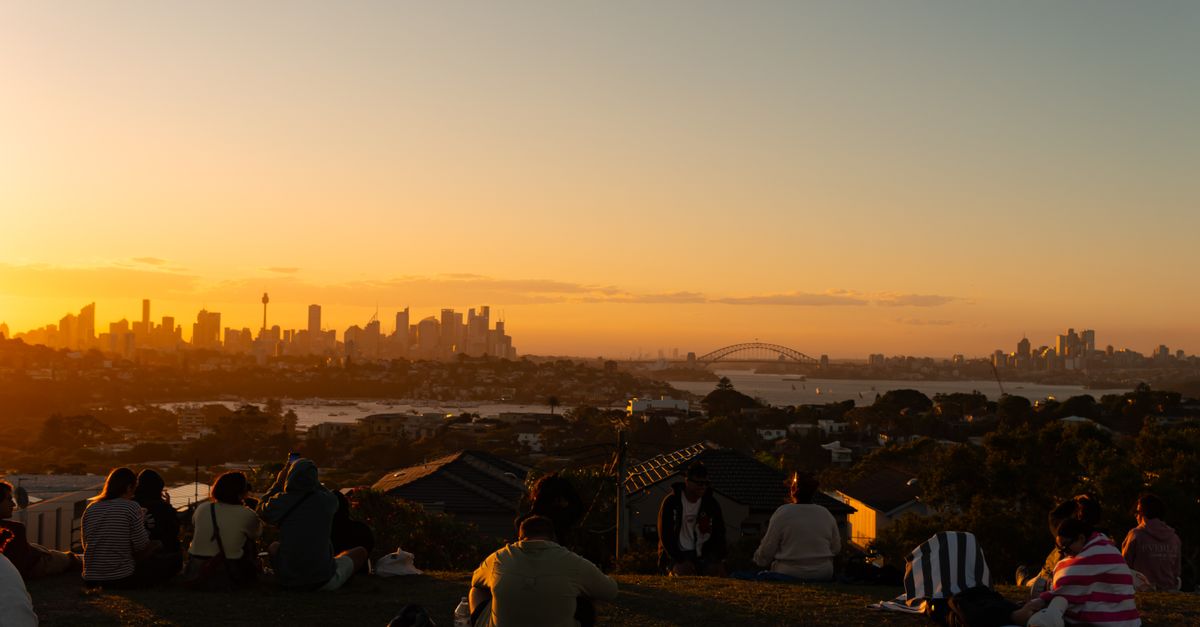
The 3 Things That Make 6pm the Most Underrated Hour
Let’s get specific. After years of observing my own habits and talking to people across different cultures, I’ve identified three powerful reasons why 6pm is the secret sauce for a meaningful life.
- It’s the only hour with actual boundaries. Think about it: you don’t typically schedule meetings at 6pm. You don’t start new projects. The clock literally tells you “stop.” But we ignore that signal. We push through, we multitask, we treat it like a transition to be endured rather than a destination to be enjoyed. The moment you honor 6pm as a sacred stop sign, you reclaim your authority over your own schedule.
- It’s the golden hour for human connection. I’m not talking about Instagram-filtered sunsets. I’m talking about real talk. Studies show that end-of-day interactions are more honest and emotionally open. Why? Because the pressure is off. Your guard is down. You’re more likely to laugh at a dumb joke or admit you’re tired. That’s the raw material of culture—those unguarded moments.
- It’s when creativity actually happens. Here’s a shocking truth: some of the best ideas in history were born at 6pm. Not at 9am in a sterile office. The twilight brain—partly tired, partly relieved—is the most fertile for novel connections. That’s when you think of the perfect phrase, the solution to a problem you’ve been wrestling with, or the reason you should call your mom. But if you’re busy rushing to microwave a frozen dinner while checking emails, you’ll miss the whisper.
Why Your Evening Ritual Is More Important Than Your Morning Routine
Let’s be honest: everyone is obsessed with morning routines. Wake up at 5am, cold plunge, journal three pages, drink celery juice, meditate for 27 minutes. Cool. Good for you. But I’ve found that your evening ritual—specifically what you do at 6pm—determines whether you actually enjoy your life.
Morning routines are for productivity. Evening routines are for survival. And 6pm is the launchpad.
I used to think that “winding down” meant collapsing on the couch and watching whatever Netflix threw at me. But that’s not a ritual—that’s just numbing. Real culture happens when you intentionally choose how to spend that hour. Maybe it’s a 15-minute walk without headphones. Maybe it’s lighting a candle and playing one song all the way through. Maybe it’s calling someone you love and asking how their day really was.
The key is intentionality. If you don’t design your 6pm, someone else will design it for you—usually an algorithm or a boss who doesn’t respect boundaries.
The Silent Cultural Shift That’s Killing 6pm
Here’s the uncomfortable truth: we’ve outsourced our evenings to a global culture of convenience and distraction. Think about it. What did people do at 6pm fifty years ago? They cooked together. They sat on porches. They listened to the radio as a family. They argued about trivial things that actually mattered. Today? We order delivery, scroll through doom loops, and feel vaguely unsatisfied.
I’m not saying we need to go back to some romanticized past. But I am saying that the absence of ritual at 6pm is creating a cultural void that gets filled with anxiety and burnout. You know that feeling when you’ve been “relaxing” for two hours but still feel wired? That’s your brain screaming for a real transition.
In Senegal, we have a concept called sabar—a rhythm, a pulse, a way of moving through time that doesn’t fight against the natural flow. 6pm is the sabar of the day. It’s the moment when you honor that you have done enough, given enough, and now it’s time to receive. But our hyper-productive culture has no word for “enough.”
So what happens? We keep going. We answer that one last email. We scroll “just a few more minutes.” And suddenly it’s 9pm and we haven’t actually lived.
How to Reclaim Your 6pm (Without Being Cheesy)
I’m not going to tell you to light incense and write gratitude lists. That’s not real life. But I am going to challenge you to try three small experiments this week. Because small rituals beat big intentions every time.
Experiment 1: The 6pm Pause. Set an alarm on your phone that says “STOP” and nothing else. When it goes off, literally stop whatever you’re doing for 60 seconds. Don’t check anything. Just breathe and look at the room you’re in. That’s it. One minute. You’ll be amazed at how much tension you’re holding.
Experiment 2: The Analog Break. Put your phone in another room for the first 30 minutes after 6pm. I know—terrifying. But I’ve found that this single act changes the entire energy of my evening. Suddenly I hear the birds. I notice the color of the sky. I remember I have a body. Culture is sensory, not digital.
Experiment 3: The Shared Ritual. Find one person—roommate, partner, friend, kid—and agree to do one thing together at 6pm for a week. It could be making tea. It could be sitting on the steps. It could be playing the same song each night. The content doesn’t matter. The consistency does. That’s how culture is built—not through grand gestures, but through repeated, shared moments.

The Radical Act of Being Present at 6pm
Here’s what I really want you to understand: reclaiming 6pm is a political act. In a world that profits from your exhaustion and distraction, choosing to be fully present during that hour is resistance. It’s saying “my time is mine.” It’s saying “I matter more than my productivity.” It’s saying “I will not let the culture of constant consumption eat my soul.”
I’ve found that the people who live the richest lives aren’t the ones who travel the most or have the most money. They’re the ones who have mastered the art of the threshold. They know how to cross from day to night with grace. They know that 6pm is not a gap to be filled, but a space to be occupied.
So here’s my challenge to you: tomorrow, when the clock hits 6pm, don’t reach for your phone. Don’t think about what you “should” be doing. Just stand still for a moment. Feel the shift. And ask yourself: what does this hour actually want from me?
You might be surprised by the answer. Because 6pm isn’t the end of the day—it’s the beginning of the night, and the night belongs to you.