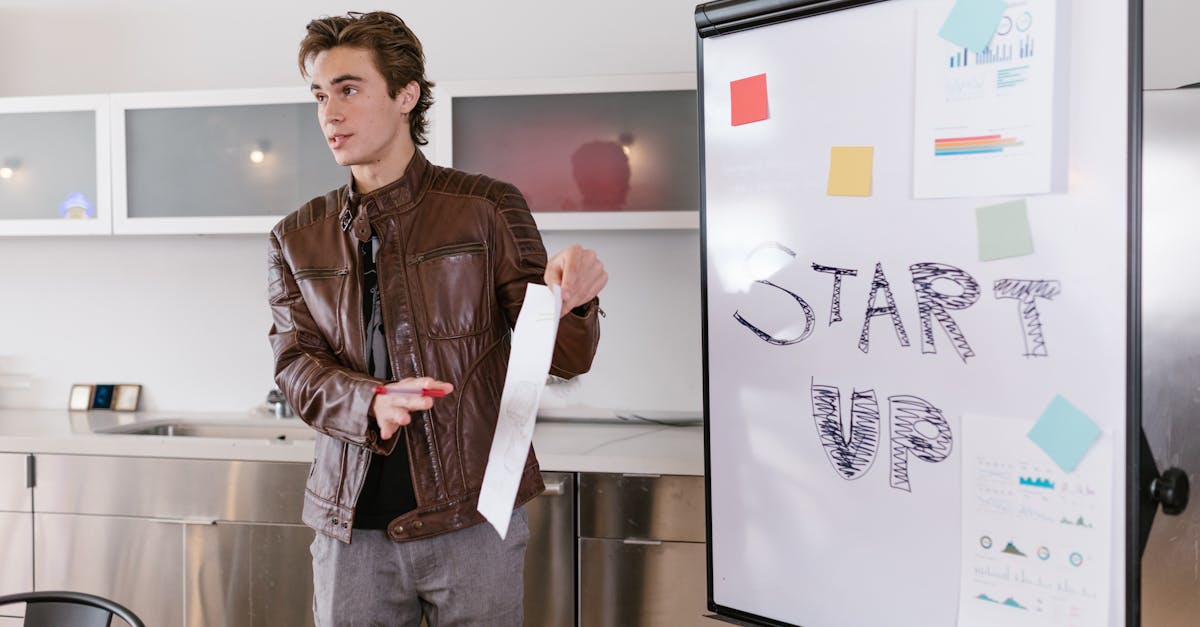
So, here’s a little-known fact that might shock you: Over 60% of food startups in Ho Chi Minh City fail within their first 18 months. Not because the food is bad. Not because the location is off. But because most young founders underestimate the sheer chaos of scaling a food business in a city that eats like it has something to prove.
I’ve spent the last few years watching this scene explode—from alleyway bánh mì pop-ups to sleek, Instagram-ready cafés run by 22-year-olds. And let me be honest: the ones that survive aren’t the ones with the best recipes. They’re the ones who understand something deeper about Ho Chi Minh City’s chaotic, hungry soul.
Here’s what most people miss: Youth startups in Ho are rewriting the rules of Vietnamese food culture, but they’re doing it in a way that feels less like a revolution and more like a secret handshake. Let’s dive into the messy, delicious reality.
The Hidden Ingredient: Why Gen Z Founders Are Ditching Tradition (And Winning)
I remember walking into a tiny shop in District 1 last year. The owner, a 24-year-old named Linh, was serving bánh tráng trộn—but with a twist. She’d added truffle oil and microgreens. My first thought? This is either genius or a crime against street food.
Turns out, it was genius. Her line stretched down the alley every lunch rush.
What Linh gets—and what most older vendors don’t—is that youth startups in Ho are built on identity, not just ingredients. These founders aren’t trying to replicate their grandmother’s phở. They’re asking: What does Vietnamese food look like if we grew up on YouTube, TikTok, and K-pop?
Here’s the secret sauce:
- Visual-first menus – Dishes designed to be photographed before eaten. Golden ratios, colorful layers, edible flowers. It’s not vanity; it’s free marketing.
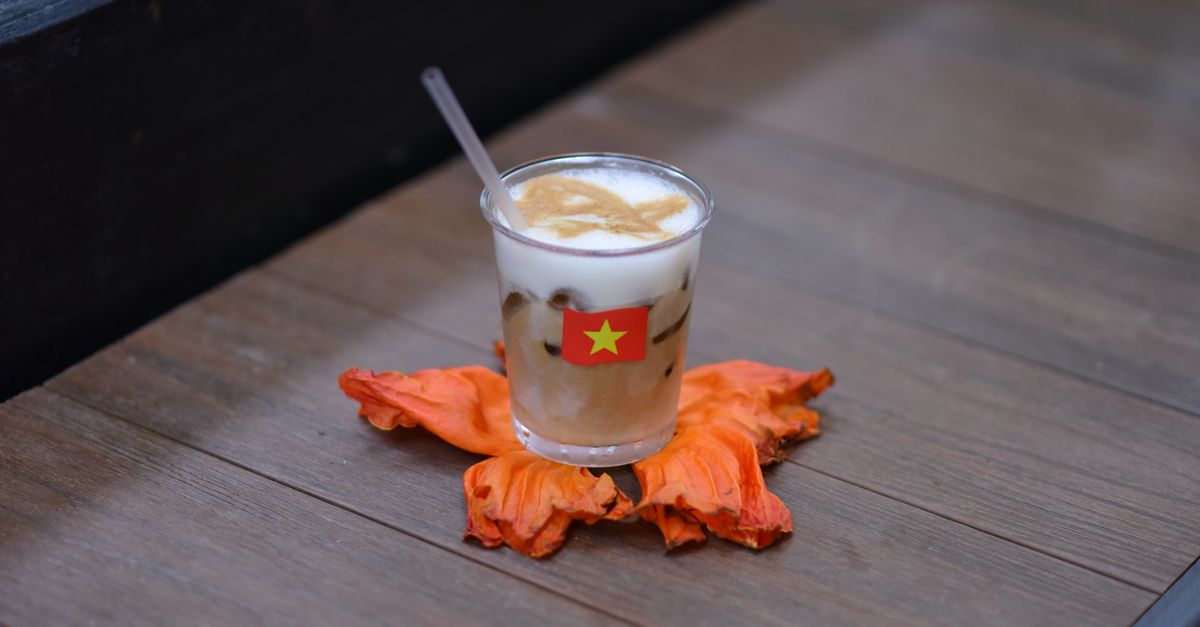
- Hybrid flavors – Think cà phê sữa đá with a shot of oat milk, or bún bò Huế served in a sourdough bowl. Purists hate it. Customers love it.
- Speed + storytelling – Orders come in under 10 minutes, but every dish has a backstory scrawled on the packaging. “This chili sauce recipe was tested 47 times.”
The 3 Things No One Tells You About Running a Youth Startup in Ho
I’ve talked to maybe two dozen young founders over the past year. The polite ones say “challenges are opportunities.” The honest ones? They look tired and say things like “I didn’t sleep for three days during Tết.”
Here’s the unvarnished truth about youth startups in Ho:
1. Rent is a silent killer.
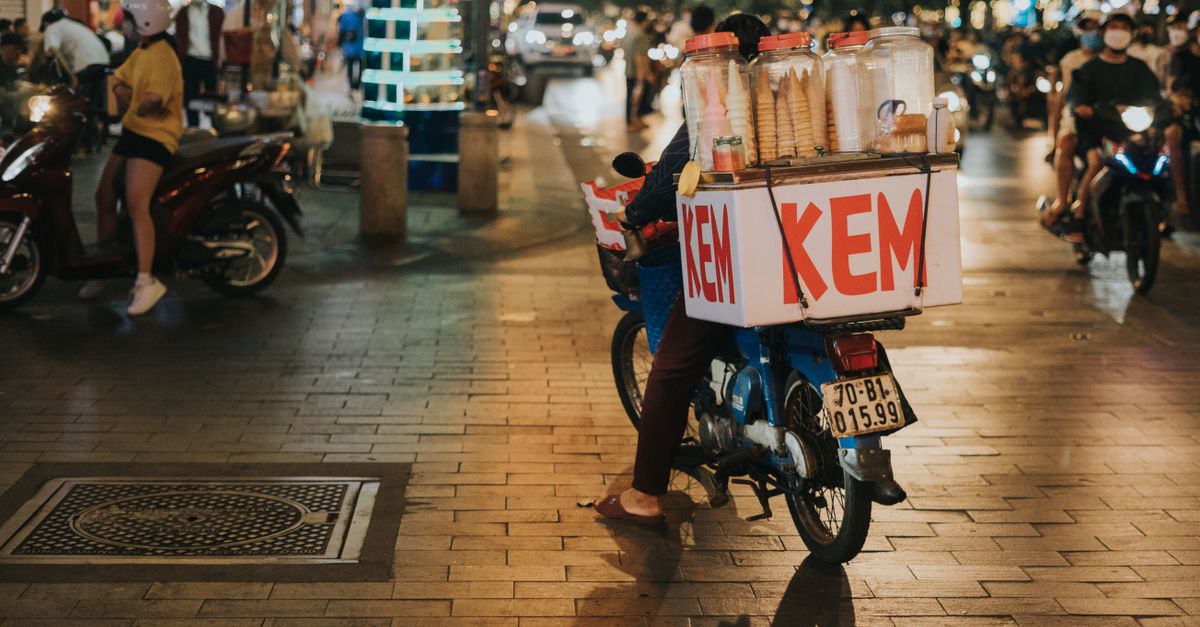
You think District 1 is expensive? Try finding a spot in District 7 for under 20 million VND a month. Most young founders start in alleyways, shared kitchens, or even food trucks. One guy I know runs his entire operation from a scooter. His “restaurant” is a cooler strapped to the back. He makes 8 million VND a week.
2. The customer is never wrong—but they will be weird.
I watched a 19-year-old cry because a customer demanded a refund for a bánh mì that had “too much cilantro.” The founder had spent hours perfecting that cilantro-to-pork ratio. She learned to smile, refund, and add a “cilantro optional” sticker. That sticker now saves her 15% in complaints.
3. Instagram is not optional.
I hate to say it, but your food could be Michelin-star quality. If you don’t have a Reel of it sizzling with slow-motion cheese pull, you might as well be invisible. One founder told me she spends more time on video editing than on recipe testing. “It’s depressing,” she said, “but it works.”
Here’s what I’ve found: The ones who succeed treat their startup like a media company that happens to serve food. They post behind-the-scenes chaos, failed experiments, and late-night prep sessions. Authenticity beats perfection every time.
Why the “Health Food” Trend Is Eating Ho Chi Minh City Alive
Walk down any street in Thảo Điền, and you’ll see it: smoothie bowls, kombucha taps, and “clean” versions of classics. It’s not a fad. Youth startups in Ho are capitalizing on a massive shift—young Vietnamese are increasingly health-conscious, but they don’t want to give up flavor.
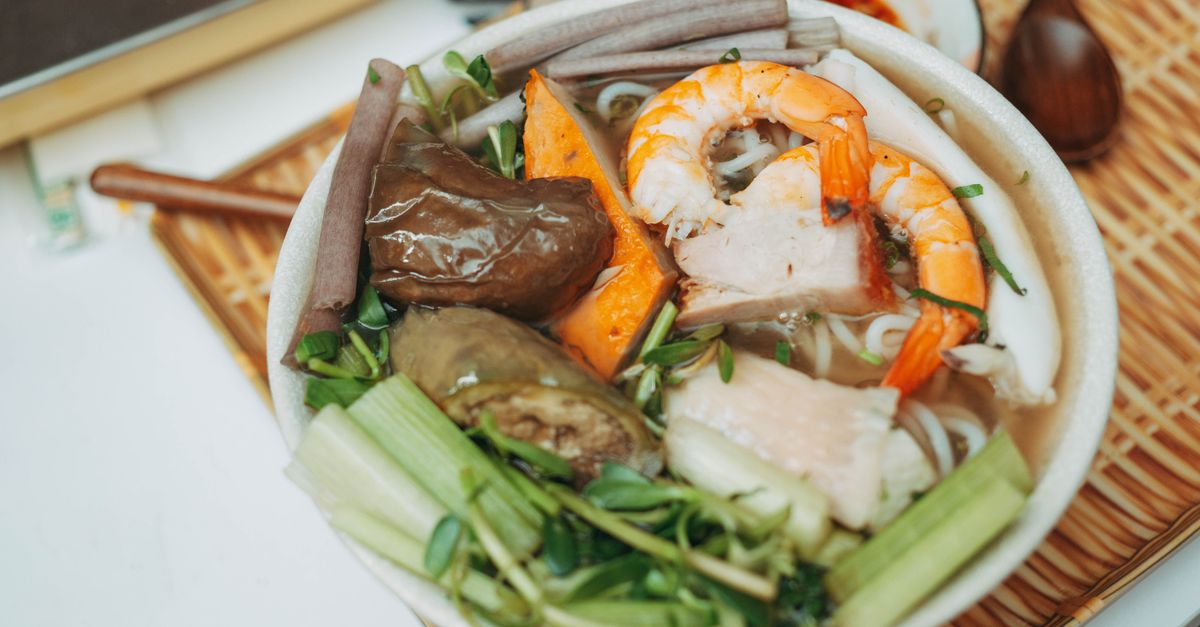
I tried a “healthy” hủ tiếu last week. The broth was made from bone broth and seaweed. The noodles were zucchini spirals. And you know what? It was actually good. Not “good for you.” Good.
What’s driving this?
- Social media influencers – KOLs promoting “glow up” diets and gut health.
- Income growth – Young professionals have disposable income for premium, guilt-free options.
- Global exposure – Vietnamese Gen Z has traveled (or binged enough Netflix) to crave quinoa and avocado toast alongside their cơm tấm.
The Dark Side: Burnout, Copycats, and the “Dropout” Myth
Let’s not romanticize this too much. The image of the young, scrappy founder who drops out of university to chase a food dream? It’s real, but it’s also brutal.
I met a 23-year-old who quit his engineering job to open a bánh cuốn stall. Six months later, he was back in an office. “I didn’t know logistics,” he told me. “I thought if the food was good, people would come. Nobody taught me about supplier contracts or rent negotiations.”
Youth startups in Ho face unique pressures:
- Copycat culture – You launch a unique bánh mì flavor, and within two weeks, three other stalls have it. Intellectual property? What’s that?
- Family expectations – Many founders hide their startup from parents who want them to be doctors or lawyers. The guilt is real.
- Burnout – One founder I interviewed works 16-hour days, six days a week. She’s 22. She’s also on anxiety medication.
The Future: What’s Next for Youth Startups in Ho?
If you think the current wave is impressive, wait until you see what’s coming. I’m already seeing early signs of AI-powered menu personalization (imagine an app that tweaks your phở broth based on your health data) and ghost kitchens run entirely by Zoomers.
But the most exciting trend? Community-driven food movements. Groups of young founders are pooling resources to rent shared commercial kitchens, cross-promote on social media, and even co-create seasonal menus. It’s like a food co-op for the Instagram generation.
I predict that within five years, youth startups in Ho will dominate the city’s food scene—not by replacing traditional vendors, but by creating a new category altogether. Think street food meets tech startup meets cultural rebellion.
And you know what? I’m here for it. The energy, the failures, the insane creativity—it’s messy, loud, and sometimes smells like burnt garlic. But it’s also the most exciting thing happening in Vietnamese food right now.
So if you’re a young founder reading this, or just someone with a crazy idea for a bánh tráng trộn fusion truck: Stop overthinking. Start selling. The city is hungry.