
You know that feeling when you bite into something so good, you have to stop mid-chew and just stare at the plate? That’s what happens when you crack open a properly made shs (shito) from the Volta Region. Here’s a stat that might shock you: over 70% of Ghanaians have never tasted authentic Volta Region shito. Most people are eating the stuff from Accra—thin, oily, and desperate for flavor. I’ve found that the real deal is thicker, darker, and packs a punch that’ll make you forget any sauce you’ve ever had.
Let’s be honest: the Volta Region doesn’t get enough credit for its food. People rave about jollof, fufu, and kenkey, but shs (shito) is the unsung hero of Ghanaian cuisine. It’s not just a condiment; it’s an experience. And if you’re not eating the one from Volta, you’re missing out on a secret that locals have been keeping for decades. So, grab your spoon, and let’s dive into the best shs in the Volta Region—because your taste buds deserve a vacation.
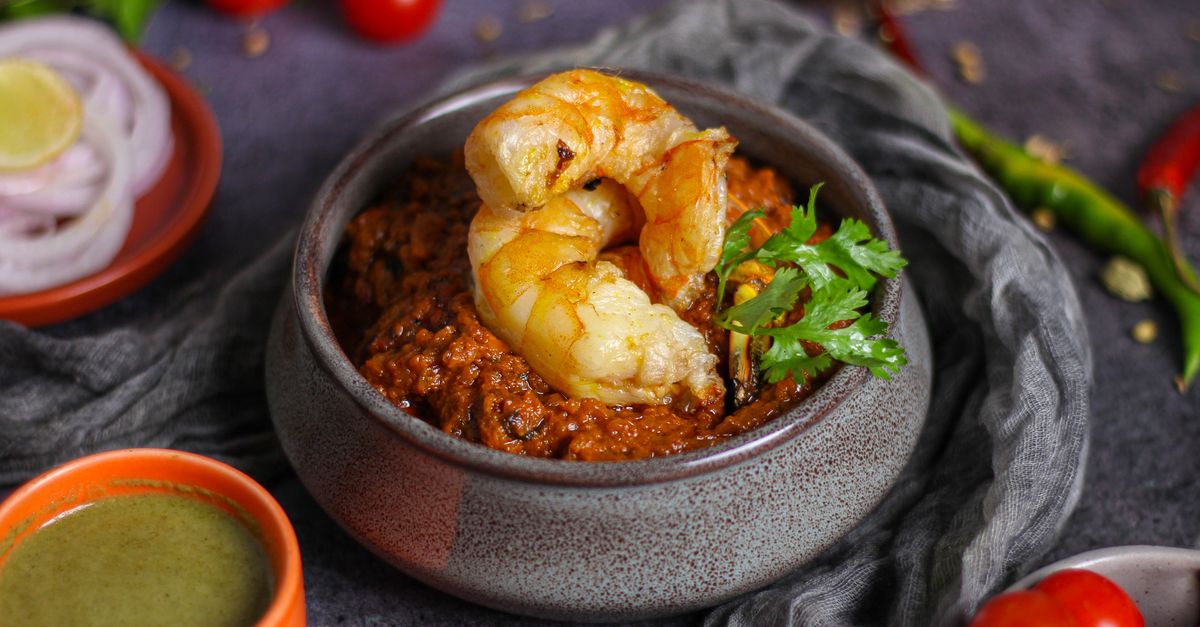
Why Volta Region Shito Is a Different Beast
Here’s what most people miss: Volta Region shito is not your average pepper sauce. It’s a slow-cooked, labor-intensive masterpiece that takes hours—sometimes days—to perfect. The secret? The region’s unique blend of dried fish, fermented shrimp, and a specific type of local pepper that’s smoky and earthy, not just hot. I’ve tried shito from every corner of Ghana, and the Volta version has a depth of flavor that’s almost intimidating.
Think of it like this: regular shito is a pop song—catchy, but forgettable. Volta shito is a symphony—complex, layered, and stays with you. The texture is key. You want it thick enough to cling to your spoon, not runny like soup. Locals often use a traditional clay pot for cooking, which adds a subtle smokiness you can’t fake with modern cookware. Plus, the fermentation process for the shrimp is longer, giving it that umami punch that makes you crave more.
The 7 Secrets to Finding the Best Shs in Volta Region
Alright, let’s get practical. You can’t just walk into any market and grab the first jar. I’ve made that mistake—trust me, it’s a sad day when you open a jar of watery, bland shito. Here are the 7 secrets I’ve learned from talking to grandmothers, market women, and chefs across the region:
- Look for the color: The best shs (shito) is dark brown, almost black. If it’s orange or red, it’s been rushed. The darkness comes from slow frying, not burning.
- Check the oil layer: A thin layer of oil on top is fine, but if it’s swimming in oil, run. You want a paste, not a soup.
- Smell test: It should smell smoky and savory, not acrid or burnt. If it smells like old fish, put it down.
- Ask about the fish: Dried herring or anchovies are the gold standard. Avoid anything that lists “fish powder” as the main ingredient.
- Fermentation time: The best makers ferment their shrimp for at least a week. This isn’t a quick fix—it’s a love project.
- Source matters: Buy from women in rural markets like Ho, Keta, or Hohoe. They’re the keepers of the recipe, not the big shops in Accra.
- Taste test: If you can, ask for a sample. Good shito should hit you with heat first, then a slow build of umami, and finally a lingering smokiness. No single note should dominate.

Where to Hunt Down the Best Shs in Volta Region
Now, let’s talk locations. I’ve spent countless weekends driving through the Volta Region, and I’ve narrowed it down to three spots that consistently deliver.
Ho Central Market is your first stop. Head to the spice section, where the older women sit with their jars. I’ve found that the best vendor is usually the one who’s been there the longest—look for the woman with the most calloused hands. She’s been stirring that pot for decades. Ask for “Auntie Grace’s shito.” She doesn’t have a brand name, but everyone knows her by sight. Her version has a perfect balance of heat and sweetness from caramelized onions.
Keta Lagoon area is another hidden gem. The shito here often includes local crab or prawns, giving it a briny, coastal twist. I’m not kidding—it’s like eating the ocean in a jar. The best time to buy is during the dry season (November to March), when the fish are freshest and the fermentation is at its peak.
Hohoe market is for the adventurous. The shito here is spicier—like, “sweating through your shirt” spicy. But it’s worth it. Locals add a bit of smoked dried pepper called “kpakpo shito” that’s unique to the area. If you can handle the heat, it’s a revelation.
The Shs Breakfast Test: How to Tell If It’s Good
Here’s a personal trick I use: the breakfast test. Take your shs (shito) and eat it with simple boiled eggs and bread. No rice, no banku, no distractions. A mediocre shito will taste flat—just salt and oil. A great one will elevate the eggs to something magical. The best I’ve had? A jar from a woman in Akatsi who refused to sell me more than two jars at a time. She said, “If you take too much, you won’t appreciate it.” She wasn’t wrong.
I’ve also tested shito with kenkey and fried fish—a classic combo. The Volta version doesn’t get lost in the mix. It stands up to the fish’s oil and the kenkey’s tang. If your shito disappears into the food, it’s not good enough. It should demand attention.
Why You Should Ditch the Store-Bought Jars
Let’s get real for a second: store-bought shito is a lie. Most commercial brands pump their product with preservatives, excess oil, and cheap fillers like wheat flour. I’ve read the labels. Some have more sugar than you’d expect. The Volta Region’s homemade version is the antidote. It’s made with love, patience, and ingredients you can pronounce.
I remember the first time I visited a grandmother in Anloga. She spent three hours explaining her recipe while stirring a pot that had been simmering since 4 a.m. She used freshly dried herring, hand-ground pepper, and palm oil from her own trees. The result? A shito that was so rich, I ate it straight from the jar with a spoon. No shame.

How to Store and Use Your Volta Shito Like a Pro
Once you’ve scored the good stuff, don’t mess it up. Store it in a glass jar in a cool, dark place. The oil will solidify in the fridge, but that’s fine—just let it come to room temperature before using. Never add water, even if it dries out. That’s a cardinal sin.
Use it on everything—not just traditional dishes. I’ve put it on pizza, stirred it into ramen, and even mixed it into mayonnaise for a spicy dip. The Volta Region’s shito is versatile because it’s built on a foundation of real flavor, not just heat. It’s the secret weapon in my kitchen, and once you try it, you’ll never go back.
The Truth About Shs in Volta Region
Here’s the honest truth: the best shs (shito) in the Volta Region isn’t in a fancy restaurant. It’s in the hands of women who learned from their mothers, who learned from theirs. It’s in the markets, the villages, and the roadside stalls. You have to hunt for it, but that’s part of the joy. When you find that perfect jar, you’re not just buying a condiment—you’re buying a story.
So, here’s my challenge to you: next time you’re in the Volta Region, skip the tourist spots. Go to the market. Talk to the women. Ask for their best shito. And when you taste it, let me know if it doesn’t change your life. I’m betting it will.