
Let me tell you something most people don’t realize about Wall Street: 2pm is the most dangerous hour of the trading day.
I’m not being dramatic. If you’ve ever watched a chart, you know the morning open is chaotic, lunchtime is sleepy, and the final hour is frantic. But 2pm Eastern? That’s where fortunes get made and blown. I’ve seen traders walk away from their desks for a coffee at 1:55pm and come back to a margin call. I’ve also seen quiet positions explode into life right at 2pm, turning a boring Tuesday into a payday.
So what’s the big deal about 2pm? Why does this specific moment in the trading day matter more than the opening bell or the closing cross? Let’s pull back the curtain.
The Hidden Power of the 2pm Turn
Here’s what most people miss: Institutional order flow is not random. It follows a rhythm. And 2pm is when the big money starts to show its hand.
You see, the morning is for retail noise. Everyone’s reacting to overnight news, earnings, or FOMO. By 11am, the algorithms have sucked up all the liquidity. Then comes the dreaded lunch hour — volume dries up, spreads widen, and nothing happens.
But 2pm is the pivot.
Let’s break it down:
- Institutional rebalancing begins – Many funds, pension managers, and ETFs adjust their positions after the morning chaos. Orders that were queued up since 9:30am get executed in the afternoon.
- Options expiration pressure – If it’s an expiration Friday, 2pm is when the gamma squeeze or pin action really kicks in. Market makers start hedging aggressively.
- Economic data hangover – Major releases like Fed speeches or jobless claims often drop at 10am or 2pm. But even if data hits at 10am, the real price discovery happens hours later, after the algos have chewed through the noise.
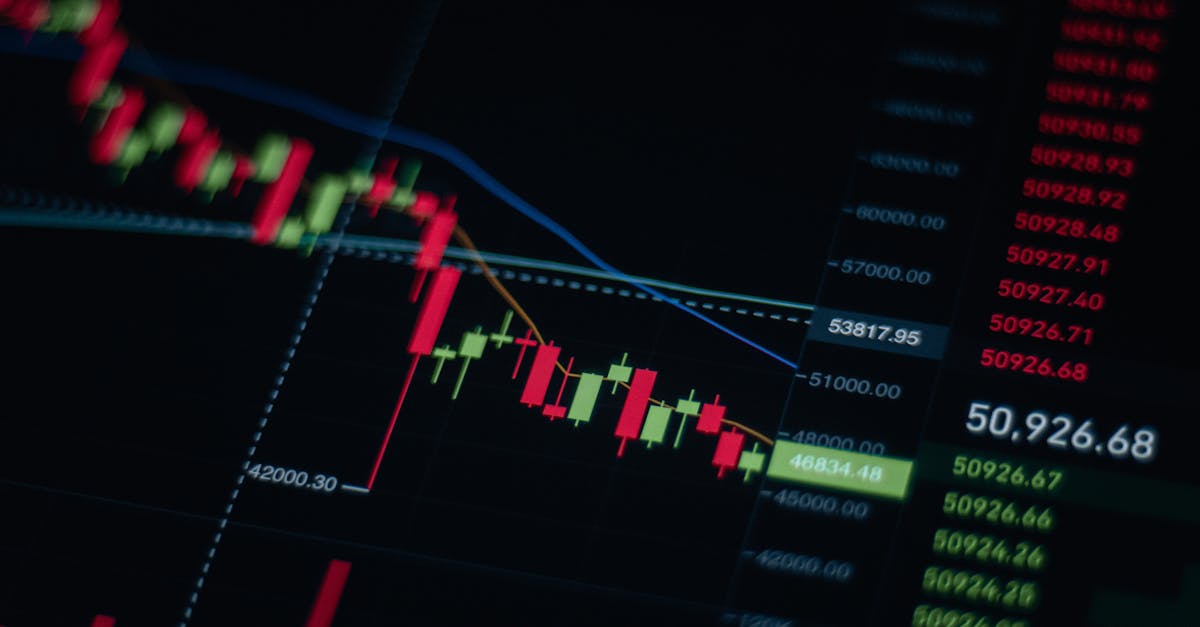
Why Your Lunch Break Could Cost You Money
Let’s be honest: how many times have you stepped away from your screen between 1pm and 2pm, thinking nothing’s going on? I’ve done it. We’ve all done it.
But here’s the truth: The market’s worst fakeouts happen at 2pm.
Think about the psychology. Traders who’ve been staring at charts since 9:30am are tired. Their discipline slips. They start chasing moves or getting complacent. Then, right when everyone’s guard is down, a big block trade hits the tape. Suddenly, Apple drops 1% in three minutes. Or a small-cap biotech doubles on news that was actually released at 1:58pm.
I remember one afternoon in 2023. I was watching a mid-cap tech stock that had been range-bound all day. Volume was pathetic. At 1:55pm, I almost closed my laptop. But something told me to wait. At exactly 2:01pm, a massive buy order hit the Level 2. The stock ripped from $45 to $47.50 in twelve minutes. I caught half of it.
That’s not luck. That’s understanding the rhythm.
If you’re serious about trading or investing, treat 2pm like the market’s version of a ticking clock. Don’t be away from your screen. Don’t be distracted by email. This is when the smart money moves.

The 3 Things You Absolutely Must Know About 2pm
If you take nothing else from this article, remember these three points. I call them The 2pm Trinity:
- Volume surge is real – Average volume in the S&P 500 futures (ES) is about 30% higher between 2pm and 3pm than it is between 12pm and 1pm. That means liquidity improves, but so does volatility. You can get fills faster, but you can also get wrecked faster.
- Stop hunting peaks at 2pm – Algorithmic traders know that retail traders place stops below recent lows. At 2pm, you’ll often see the market dip just below a morning low, trigger all those stops, then reverse sharply. If you’re not aware of this, you’ll get shaken out of good positions.
- The 2pm reversal is a self-fulfilling prophecy – Because so many traders and algorithms watch for this pattern, it actually happens more often. It’s like a crowd all turning at once. Don’t fight it — ride it.
How to Use 2pm Like a Pro (Without Becoming a Day Trader)
You don’t need to stare at charts all day to benefit from this. Even if you’re a long-term investor, 2pm matters.
Here’s a practical framework I’ve used for years:
- Set a 1:50pm alarm on your phone. Just a gentle reminder: “Check your portfolio.” Not to trade, just to observe. Are any positions behaving oddly? Is there unusual volume?
- Watch for the “2pm flush.” If the market has been trending up all morning, a sharp dip at 2pm often signals profit-taking by institutions. That’s not necessarily a sell signal — it could be a buying opportunity if the overall trend is intact.
- Avoid placing new limit orders between 1:45pm and 2:15pm. The spread can widen unpredictably. You might get filled at a worse price than you intended.
- If you’re a swing trader, plan your exits around 2pm. I’ve found that closing half a position at 2pm and the rest at the close gives you a better average price than trying to time the last 30 minutes.

The One Mistake That Will Cost You More Than Any Trading Loss
I’ve made this mistake myself, more times than I’d like to admit.
Thinking that 2pm is just another hour.
It’s not. It’s the hour when the market’s true direction often reveals itself. The morning is a rumor mill. The afternoon is the verdict. And 2pm is when the jury comes back.
I remember a conversation with a hedge fund manager years ago. He told me, “Yong, I don’t care what happens before 2pm. I only care about where the market closes. And the close is decided between 2pm and 3:30pm.”
That changed my entire perspective. I stopped obsessing over pre-market moves and early morning gaps. I started focusing on what happens after 2pm.
Here’s the hard truth: Most amateur traders lose money because they’re too active in the morning and too passive in the afternoon. They chase the opening volatility, get chopped up, then check out mentally by 1pm. Meanwhile, the professionals are just getting started.
If you want to be a better trader or investor, shift your attention to 2pm. You’ll see patterns you never noticed before. You’ll make fewer emotional decisions. And you’ll stop getting shaken out of positions that would have worked out if you’d just waited.
Final Thoughts: The Market’s Best-Kept Secret
I’m not claiming that 2pm is magic. It’s not a crystal ball. There will be days when nothing happens, when the market drifts sideways until the close.
But over time, 2pm is the most reliable hour for meaningful price action. It’s when the institutions do their real work. It’s when lazy traders get punished. It’s when patient traders get rewarded.
So here’s my challenge to you: For the next two weeks, pay attention to 2pm. Don’t trade it — just watch. Take notes. What happened? Was there a reversal? A breakout? A fakeout? You’ll start to see the rhythm.
And when you do, you’ll wonder why nobody told you this sooner.
Now go set that alarm.