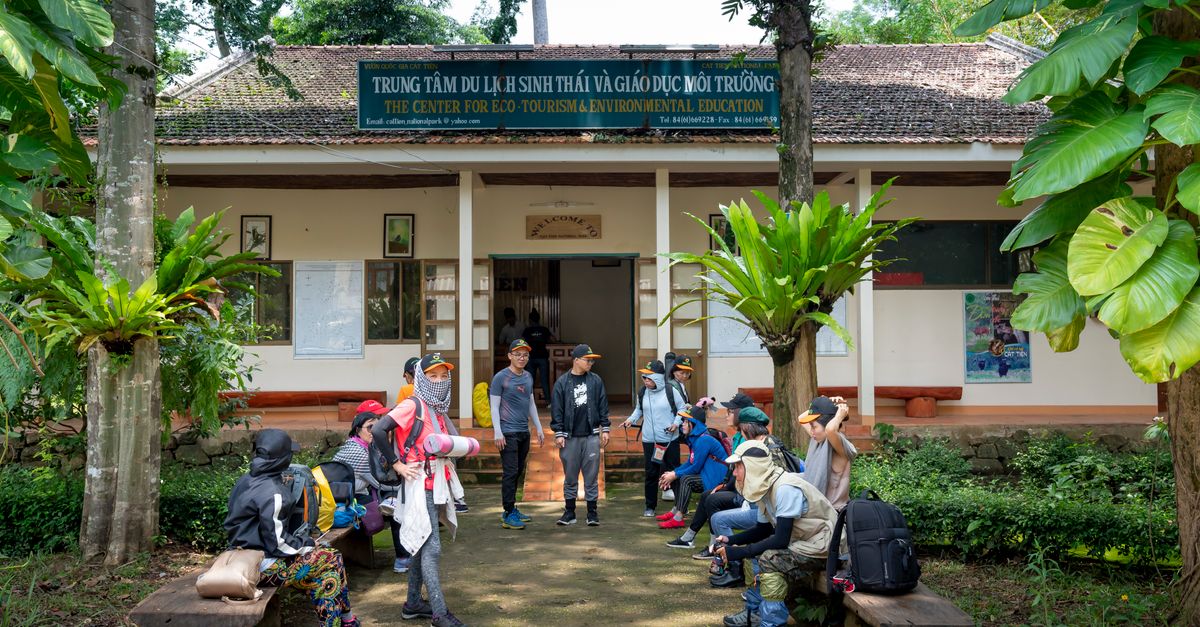
You know that feeling when you scroll through photos of a friend’s vacation, and every single shot looks like it was ripped from a luxury magazine? The turquoise water, the empty beach, the perfect sunset? Here’s the dirty little secret of the travel industry: that photo was likely staged, the beach was probably packed, and the whole experience was engineered to make you feel like you’re missing out. And I’m not just talking about influencers.
Let’s start with a number that’ll make your head spin: In 2019, before the world hit pause, international tourist arrivals hit 1.5 billion. That’s almost one in every five people on Earth crossing a border. But here’s the part that rarely gets talked about: over 80% of those tourists visited just 10% of the world’s countries. We’re all chasing the same shots, the same temples, the same overpriced cocktails on the same overcrowded beaches. And the industry is built on that scarcity.
I’ve been writing about travel and tourism for CYBEV for the better part of five years, and I’ve seen the patterns. The same mistakes. The same manufactured hype. So let’s peel back the curtain. This isn’t a list of “Top 10 Destinations.” This is a reality check on what tourism has become, and how you can actually enjoy it without getting fleeced or contributing to the problem.
The Great Tourist Trap: Why Your Dream Vacation Is a Commodity
Let’s be honest for a second. When you book a trip to a famous city—Paris, Rome, Bali, Cancun—what are you really buying? You’re not buying discovery. You’re buying a product. The travel industry has become expert at packaging experiences into bite-sized, Instagrammable chunks.
I remember standing in line for two hours to see the Mona Lisa. Two hours. For a painting that’s smaller than a poster. And when I finally got to the front, I was shoved past by a group of people holding selfie sticks, all trying to get the same angle. I wasn’t having a cultural experience. I was a cog in a massive, well-oiled machine designed to move bodies through a space.
Here’s what most people miss: The most memorable trips are often the ones that don’t follow the script. The time you got lost in a random neighborhood in Tokyo. The tiny restaurant where the owner didn’t speak English but you had the best meal of your life. The beach that wasn’t on any “Top 10” list.
The numbers back this up. A 2023 study from the World Travel & Tourism Council showed that over-tourism costs host cities billions in infrastructure strain and lost quality of life for locals, while the average tourist spends 30% more on “experiences” than actual exploration. You’re paying a premium for convenience and a curated photo op.
So, what’s the fix? Stop chasing the list. Start chasing the feeling. Before you book, ask yourself: “Am I going here because I genuinely want to, or because everyone else is?” The answer is often uncomfortable.
The Hidden Economy: Where Your Travel Dollar Actually Goes
I’ve found that most people have no idea how the money flows. You book a hotel through a major site. You pay $200 a night. You think that money goes to the local community, right? Wrong.
Up to 70% of the money spent on “all-inclusive” packages leaves the local economy. It goes to international hotel chains, global booking platforms, and airlines based in other countries. The local waiter gets a minimum wage. The local tour guide gets a fraction. The local artisan gets nothing because you bought a mass-produced souvenir from the hotel gift shop.
I once did a deep dive on a popular Caribbean resort. The resort was owned by a conglomerate based in Europe. They flew in their own food, their own drinks, and even their own entertainment. The only thing local was the beach—which they had effectively privatized. The local economy was seeing less than 15 cents of every dollar spent.
This is the ugly truth of mass tourism. It’s an extraction industry, not a sharing one.
Here’s a quick breakdown of where your money should go if you want to make a difference:
- Book directly with local hotels or guesthouses. You’ll often get a better rate and the owner keeps 100%.
- Eat where the locals eat. If the menu has pictures and is in three languages, it’s a tourist trap.
- Hire local guides. Sites like ToursByLocals connect you directly with people who live there.
- Buy crafts from the maker. Not from a shop that sells “local” art that was made in China.

The Digital Mirage: How Algorithms Ruin Your Trip
You know how you plan a trip? You search “best things to do in [City].” You read five blog posts. You watch three YouTube videos. You pin 20 photos. You’ve already seen the entire trip before you’ve even left your house.
This is the death of surprise. And it’s by design.
The algorithms are built to serve you the most popular, most photographed, most “clickable” content. That means you’re being funneled into the same spots as everyone else. I’ve stood in line at a “hidden gem” café that was discovered by a travel blogger six months ago. It wasn’t hidden. It was a queue.
I call this the “Over-tourism Loop.” It works like this:
- A place gets popular on social media.
- More people visit.
- The infrastructure strains.
- Locals get priced out.
- The place loses its character.
- Tourists complain it’s “not authentic anymore.”
- They move to the next “hidden gem.”
- Repeat.
Here’s my radical suggestion: stop using social media to plan your trip. Use it for inspiration, but then close the app. Open a map. Look for a neighborhood that isn’t on the first page of search results. Go there. Walk around. Get lost. The best travel advice I ever got was from a taxi driver in Lisbon. He told me to skip the famous pastel de nata shop and go to the one three blocks away where his grandmother used to go. Best decision I made.
The Sustainability Paradox: Can You Really Travel Ethically?
Let’s tackle the elephant in the room. Tourism is inherently unsustainable. Flying emits carbon. Hotels consume water. Cruise ships dump waste. The very act of traveling is a strain on the planet. But we’re not going to stop traveling, are we? So what do we do?
I’m not going to tell you to stop flying. That’s preachy and unrealistic. But I will tell you that “sustainable tourism” is often a marketing lie. Hotels that claim to be “eco-friendly” often just put a sign in the bathroom asking you to reuse your towel. That’s not sustainability. That’s cost-cutting.
True sustainable tourism is about volume and duration. A single traveler staying for two weeks in one place has a fraction of the impact of a cruise ship dumping 5,000 people on a small island for six hours.
Here’s what I’ve found works:
- Stay longer. Instead of a 5-day trip, take a 10-day trip. You’ll see more, spend less per day, and reduce your carbon footprint per experience.
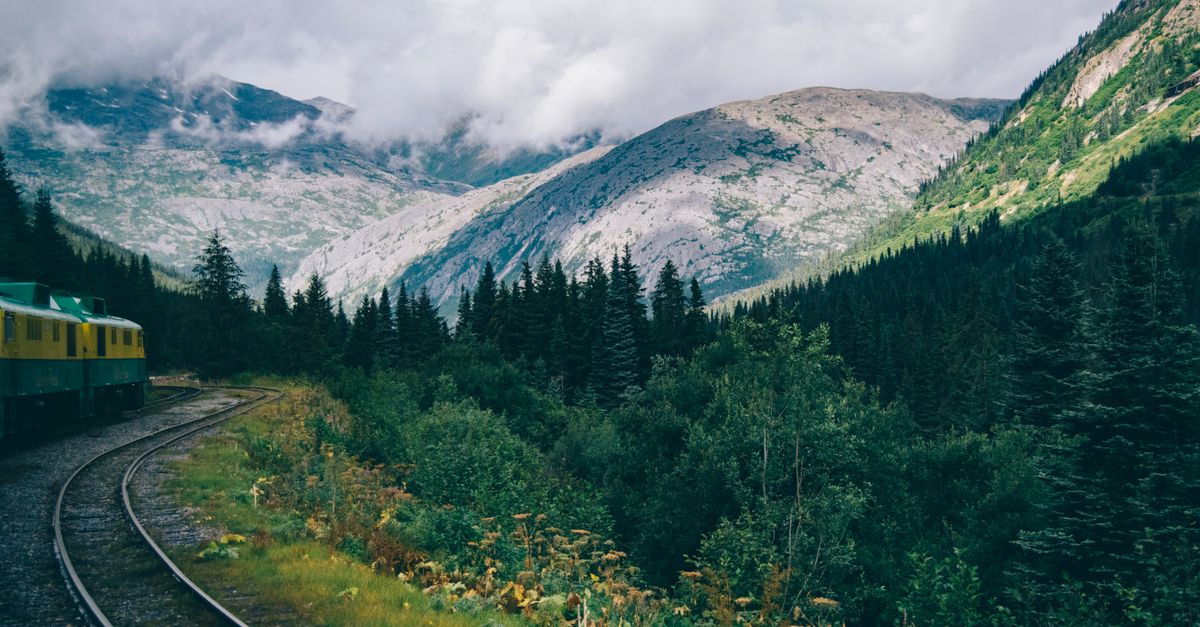
- Travel overland when possible. Take the train. It’s part of the adventure.
- Support regenerative tourism. Look for experiences that actively improve the destination—like volunteering with a local conservation group or staying at a hotel that funds reforestation.
The Secret to Actually Enjoying Tourism Again
After years of writing about this, I’ve come to a simple conclusion: The best travel is small, slow, and strange.
Small: Skip the capital city. Go to a smaller town. You’ll save money, have better interactions, and actually see something unique.
Slow: Stay put. Don’t try to see 10 cities in 10 days. You’ll just see a blur of airports and hotel rooms.
Strange: Go somewhere that doesn’t make sense on paper. A random town in the middle of nowhere. A festival you’ve never heard of. The strangest trips are the ones you remember.
I once spent a week in a tiny village in rural Japan. No tourists. No English menus. No Wi-Fi. I communicated through gestures and a translation app. I ate things I couldn’t name. I walked through rice paddies at dawn. It was the most peaceful, authentic travel experience of my life. And it cost a fraction of what a week in Tokyo would have cost.
The tourism industry wants you to think you need a luxury resort to have a good trip. You don’t. You need curiosity, patience, and a willingness to be uncomfortable.
The Real Payoff
So, here’s where I leave you. Tourism isn’t dead. It’s just been hijacked by algorithms, conglomerates, and the relentless pursuit of the perfect photo.
But you have the power to take it back.
Every time you book a trip, you’re casting a vote. You’re saying, “This is the kind of tourism I support.” Do you support the machine? Or do you support the local family, the hidden trail, the messy, beautiful, unscripted reality of a place?
The next time you travel, don’t ask “Where should I go?” Ask “Why should I go there?” The answer might surprise you.
And if you find yourself in a place that feels too perfect, too curated, too crowded? Turn around. Walk the other way. That’s where the real magic is hiding.