
You know that sinking feeling when you scroll through your feed and see another influencer posing in front of a perfectly curated landmark, looking like they just stepped out of a magazine? I get it. But here’s a statistic that floored me: over 70% of travelers now say they’d rather have an “authentic” experience than a picture-perfect one. That’s not just a trend — it’s a revolution.
I’ve been writing about travel for years, and let’s be honest: the tourism industry has a dirty little secret. Most of the “must-see” lists are crafted by people who’ve never even been to those places. They’re designed to sell you a fantasy, not a real experience. But what if I told you that the best travel doesn’t come from a guidebook? It comes from knowing the truth about tourism — the hidden costs, the secret spots, and the ways to actually connect with a place.
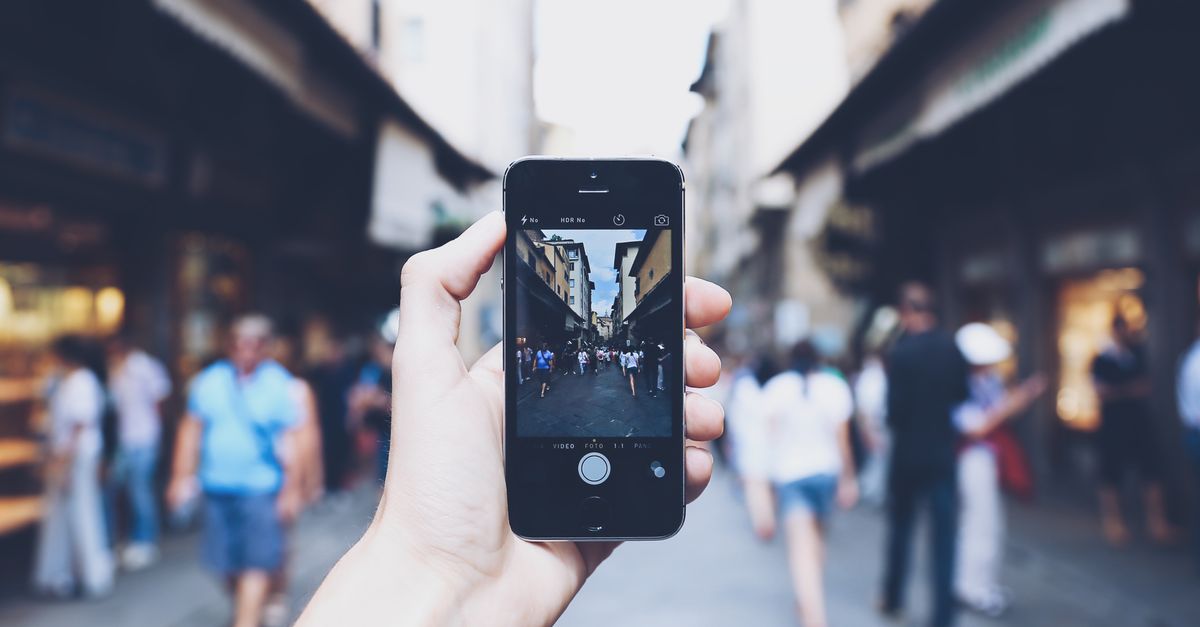
The Hidden Price Tag of "Bucket Lists"
We’ve all been conditioned to think that travel is about checking boxes. Paris? Eiffel Tower. Rome? Colosseum. Tokyo? Shibuya Crossing. But here’s the part nobody tells you: these places are often overrun, overpriced, and underwhelming. I once waited two hours in line for the Mona Lisa, only to be shoved through a room so packed I could barely breathe. Was it worth it? Honestly? No.
What most people miss is that the real magic happens when you ditch the checklist. I’ve found that the most memorable moments come from wandering without a plan. Getting lost in a neighborhood where the signs aren’t in English. Eating at a restaurant that has zero reviews on Google. Tourism isn’t about seeing — it’s about feeling.
Here’s a hard truth: the tourism industry is built on volume. They want you to hit the highlights so they can sell you a package deal. But the cost? You miss the soul of a place. So next time you’re planning a trip, ask yourself: Am I going here because I genuinely want to, or because someone told me I should?
Why "Authentic" Travel is a Myth (And How to Get It Anyway)
Let’s get real for a second. The word “authentic” gets thrown around so much in travel blogs that it’s lost all meaning. Everyone wants an “authentic” experience, but what does that even mean? A cooking class with a local grandma? A homestay in a rural village? Sure, those can be great, but the truth is that authenticity is a moving target.
I once joined a “local experience” tour in Bali where we made traditional offerings. It was fun, but I couldn’t shake the feeling that it was staged. The family we visited clearly did this multiple times a day. Was it authentic? Partially. But it was also a performance.
So how do you actually get a genuine experience? Here’s what I’ve learned:
- Skip the organized tours. They’re designed for efficiency, not connection.
- Stay in neighborhoods where tourists don’t go. Airbnb or a local guesthouse beats a hotel chain every time.
- Talk to people without an agenda. Ask a shopkeeper where they eat lunch, not where the guidebook says.
- Embrace discomfort. The best stories come from when things go wrong — missed trains, wrong turns, language barriers.

The 3 Things Tourism Companies Don't Want You to Know
This is where it gets juicy. I’ve spent years digging into the industry, and there are some uncomfortable truths that travel companies would rather you didn’t uncover. Ready?
- "All-Inclusive" is a trap. Those resorts? They’re designed to keep you contained. You pay a premium to stay on the property, and they make money by ensuring you never leave. The local economy? It barely sees a dime. Over 80% of your money stays with the resort chain. So if you want to actually support a destination, ditch the package deal.
- “Eco-tourism” is often greenwashing. That hotel that claims to be sustainable? Check the fine print. Many of them still use plastic bottles, fly in food from overseas, or have massive carbon footprints from air conditioning and pools. I’ve found that the most sustainable travel is simply less travel — staying longer, going deeper, and consuming less.
- Reviews are manipulated. Yelp and TripAdvisor are full of fake reviews. I’ve seen hotels pay for positive ratings and competitors leave negative ones. The real secret? Ask locals. Or, better yet, look for places that have been around for 50+ years. They’re not paying for reviews because they don’t need to.
How to Travel Like a Human (Not a Tourist)
I’m going to share a personal rule I’ve developed over the years: the 3-3-3 rule. It’s simple, and it’s changed how I see every destination.
- 3 hours of aimless wandering — No map, no plan. Just walk.
- 3 meals at places you can’t pronounce — If the menu isn’t in English, you’re in the right spot.
- 3 conversations with strangers — Ask them about their day, not their city.
I remember being in Marrakech, completely lost in the medina. A shopkeeper saw my confused face and pulled me into his shop. He didn’t try to sell me anything. Instead, he poured me mint tea and showed me how to haggle. I left with a rug I didn’t need, but also with a friend I still message on WhatsApp. That’s the kind of experience no tour can replicate.
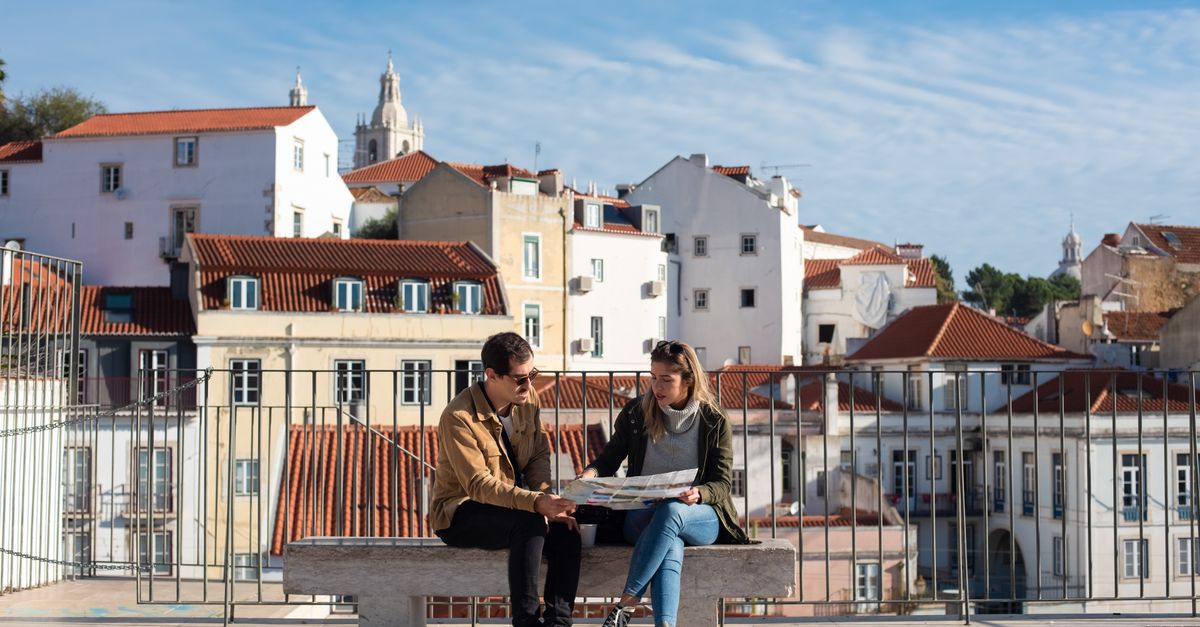
The Future of Tourism: It’s Not What You Think
Here’s where I get hopeful. The pandemic forced a massive reset in the travel industry. People stopped going to overcrowded capitals and started exploring smaller towns, national parks, and hidden gems. The trend is shifting toward “slow travel” — spending a month in one place instead of a week in five.
I think this is the right direction. The future of tourism isn’t about more flights or bigger resorts. It’s about quality over quantity. It’s about staying in one place long enough to understand its rhythm. To know the barista by name. To recognize the street cats. To feel like you belong, even if just for a little while.
But let’s not kid ourselves — this requires effort. It means paying more for sustainable options, even if they’re inconvenient. It means choosing a train over a plane, even if it takes longer. It means accepting that you might not see everything, and that’s okay.
Your Move: Stop Consuming, Start Connecting
So here’s my challenge to you. The next time you plan a trip, ask yourself one question: Am I going to consume this place, or am I going to connect with it?
Tourism, at its worst, is just consumption — you take photos, you spend money, you leave. But at its best, it’s a conversation. It’s a way of saying, “I see you. I respect you. I want to learn from you.”
Don’t let the industry sell you a fantasy. Go out there and find the truth for yourself. The world is too big to be seen from a tour bus.