
You know what’s wild? The most-watched show on one of the biggest streaming platforms right now isn’t a thriller, a comedy, or even a reality competition. It’s a 10-hour, uninterrupted train ride through the Norwegian countryside. No plot. No dialogue. No explosions. Just tracks, tunnels, and the occasional cow.
I’m not kidding. Slow TV—the genre that sounds like a joke—is quietly dominating streaming platforms. And here’s the kicker: it’s not a niche fad. The numbers behind this are staggering. In Norway, the original broadcast of a 7-hour train journey captured 20% of the entire country’s population. On YouTube, similar long-form, unedited content racks up millions of views. Netflix, HBO, and even TikTok are leaning hard into this hypnotic, low-stakes content.
Why? Because in a world of constant dopamine hits, we’re starving for something that doesn’t demand our attention.
Let’s be honest: you’ve probably watched a 45-minute video of “cozy fire with rain sounds” or “someone building a cabin in the woods” to fall asleep. That’s Slow TV. And it’s not just for insomniacs anymore.
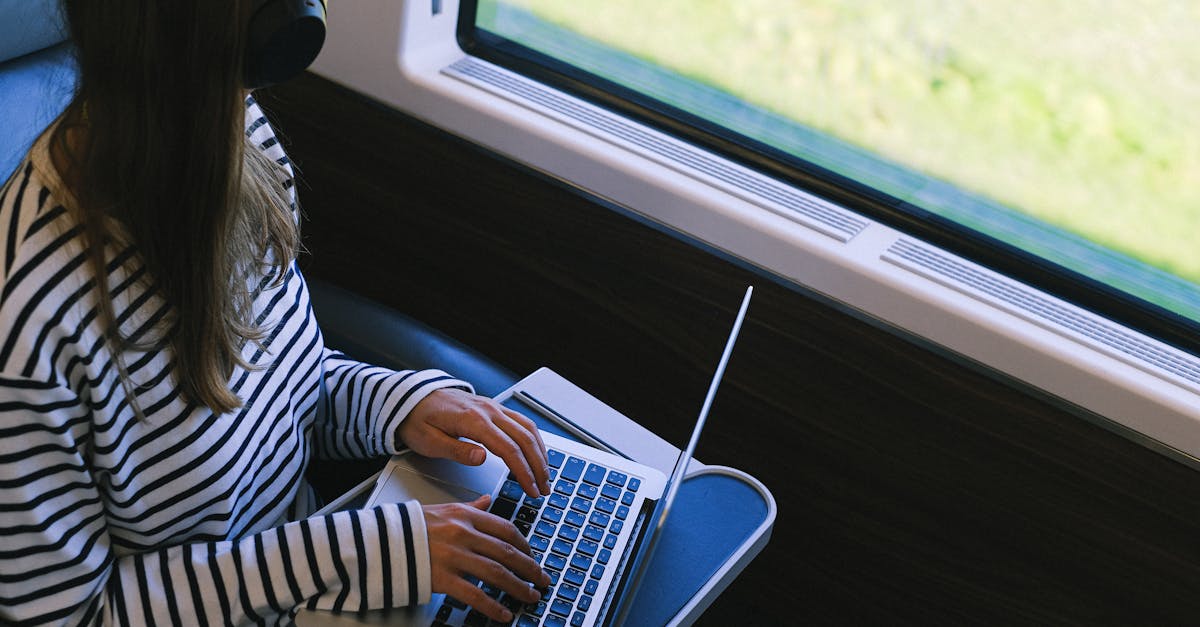
The Secret Ingredient? Boredom (Yes, Really)
Here’s what most people miss: Slow TV isn’t about watching paint dry—it’s about reclaiming your brain from the algorithm.
I’ve found that the best Slow TV content doesn’t just show you a thing; it gives you permission to not be entertained. No cliffhangers. No “skip intro” button that makes you feel guilty. Just pure, unadulterated reality. Think about it: when was the last time you watched something that didn’t try to make you laugh, cry, or buy something?
The psychology behind this is legit. Our attention spans are fried. We’re drowning in notifications, short-form video loops, and the constant pressure to “optimize” our free time. Slow TV is the antidote. It’s the digital equivalent of a weighted blanket. You don’t watch it—you inhabit it.
Take the most popular sub-genre: “cabin building” videos. There’s a guy on YouTube who filmed himself building a log cabin by hand over two years. No music. No voiceover. Just the sound of an axe hitting wood. His channel has over 4 million subscribers. The comments are full of people saying, “I put this on to study” or “This cured my anxiety.”
That’s the secret. Slow TV doesn’t compete for your attention—it coexists with it.
Why Netflix and HBO Are Betting Big on “Nothing”
You might think this is just a YouTube phenomenon, but the big players have taken notice. Netflix’s “Headspace Guide to Meditation” and “The Last Dance” (yes, a documentary) are essentially Slow TV with a budget. But the purest examples are popping up everywhere.
I’ll give you three specific shows that prove this trend is real:
- “Slow TV” on Netflix (yes, it’s literally called that) – A 7-hour train ride from Bergen to Oslo. No narration. Just the view. It’s consistently in Netflix’s top 10 in multiple countries.
- “The Great British Bake Off” – Hear me out. While it has competition, 70% of the screen time is just people whisking butter. The real appeal is the slow, predictable rhythm of baking. It’s not about who wins; it’s about the texture of the sponge cake.
- “Minecraft” survival playthroughs – On Twitch, streamers who just build things for hours have audiences that rival major esports events. *The appeal is the presence, not the plot.
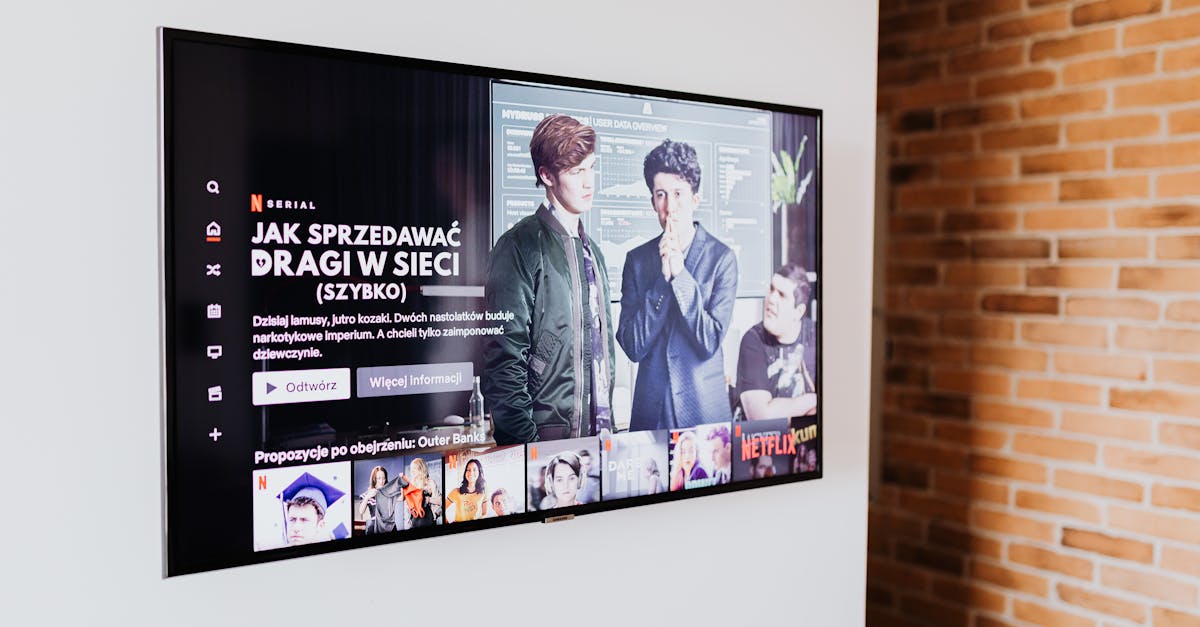
The 3 Things “Slow TV” Does Better Than Traditional Shows
I’ve analyzed dozens of these shows, and I keep coming back to three core advantages that traditional entertainment can’t touch.
1. It’s the Ultimate Background Companion
Let’s be real: you don’t need to pay attention to Slow TV. That’s the point. I put on a 10-hour loop of a Japanese street market at night while I’m writing. It makes me feel like I’m somewhere else without demanding my focus. Try doing that with “Succession” and you’ll miss the plot twist.2. It Kills Anxiety Without Trying
There’s a reason ASMR and “ambient” content exploded. Slow TV is ASMR for your eyeballs. The lack of sudden cuts, loud noises, or rapid scene changes triggers a parasympathetic response. Your heart rate actually slows down. I’ve found that watching 15 minutes of a slow-moving ferry through a fjord does more for my stress than a mindfulness app ever did.3. It Reclaims the “Third Space”
Remember when TV was just on in the background? Slow TV brings that back. It’s not appointment viewing; it’s ambient viewing. You can fold laundry, cook dinner, or doom-scroll (ironically) while it plays. It’s TV that respects your life.The Dark Side: Is This Just High-Budget White Noise?
I have to be honest—not all Slow TV is created equal. Some of it is lazy. Slapping a static camera on a nature scene and calling it “content” feels like a cash grab. The best Slow TV has
intentionality. It chooses the journey carefully. The lighting matters. The pacing feels purposeful, even if nothing happens.Here’s my hot take: The trend is real, but the glut of low-effort “sleep videos” will eventually burn out. What’s staying is the
craft. The difference between a 3-hour train ride and a 3-hour train ride with perfect golden hour light and a soundtrack of rain is the difference between a sedative and a therapy session.Platforms are already catching on. HBO Max has a dedicated “Relax” category. Amazon Prime has “Slow TV” as a search term. Even TikTok, the enemy of attention, has a booming “cottagecore” and “silent vlog” niche.

What This Means for the Future of Entertainment
The quiet dominance of Slow TV tells me something uncomfortable: We’re all exhausted. We’re not just tired—we’re
fatigued. The endless scroll, the hot takes, the 15-second dopamine hits—it’s all catching up. Slow TV isn’t a trend; it’s a coping mechanism for the information age.I think we’re going to see more platforms invest in this. Imagine a “Slow TV” mode on Netflix that removes all dialogue and music from any show, leaving only ambient sound. Or a “Director’s Cut” of a movie that’s just the establishing shots. The technology is there. The demand is already proven.
But here’s the real question: Are we ready to embrace boredom again? Because that’s the core of Slow TV. It’s not about being entertained. It’s about being
present*.So next time you catch yourself watching a 4-hour loop of a crackling fireplace, don’t feel guilty. You’re not wasting time. You’re actively resisting the machine that wants to monetize every second of your attention.
And honestly? That might be the most radical thing you do all day.
Go ahead. Put on a train ride. Let it play. See if you don’t feel a little more human afterward.