My phone buzzed at 2:47 AM. I groaned, fumbled for it, and saw my sleep tracking app flashing a cheerful notification: "Congratulations! You've achieved a new sleep score record!" I'd slept 3 hours and 12 minutes that night. The irony hit me like a cold shower. Here I was, a tech enthusiast, being gamified into bragging about insomnia. That's when I realized: we've been using technology to ignore our health, not improve it.
Let's be honest — most "health tech" is just shiny distraction. We strap gadgets to our wrists, download apps that nag us, and somehow feel virtuous while staring at screens for 12 hours straight. But what if we flipped the script? What if, instead of letting tech monitor our decline, we used it to actually reverse the damage?
The Hidden Truth About Your Screen Time Addiction
Here's what most people miss: your phone isn't the problem — your habits are. I've found that the average person checks their phone 96 times a day. That's not a flex. That's a dopamine loop engineered by Silicon Valley's smartest psychologists. And it's destroying your focus, sleep, and mental health.
But here's the kicker: you can hack this system. Start with a simple rule I call the "20-20-20 Protocol" — every 20 minutes, look at something 20 feet away for 20 seconds. It sounds stupid. It works. Your eyes will thank you, and your brain will get a micro-break from the digital firehose.
I also use a technique I call "The Gray Scale Challenge" — switch your phone to grayscale mode. Suddenly, that Instagram feed looks boring. Reddit loses its appeal. You'll find yourself putting the phone down without willpower. Try it for 48 hours. You'll be shocked at how much time you reclaim.

Why Your Fitness Tracker Is Lying to You
Let's talk about the elephant in the room — those wristbands everyone wears. Your step count is a vanity metric. I've seen people hit 10,000 steps while barely breaking a sweat, then reward themselves with a donut. That's not health, that's theater.
What actually matters? Heart rate variability (HRV) and resting heart rate. These are the real indicators of recovery and stress. Most cheap trackers estimate HRV poorly. But even a basic one gives you a trend. When my HRV drops below 50ms for three days straight, I know I'm overtrained or underslept. That's data I can act on.
Here's a pro tip: ignore the "calories burned" number. It's notoriously inaccurate. Instead, focus on non-exercise activity thermogenesis (NEAT) — the calories you burn doing everything that isn't formal exercise. Walking to the store, fidgeting, standing while working. Studies show NEAT can vary by up to 2,000 calories a day between people. That's massive.
The Surprising Way Blue Light Messes With Your Brain
We've all heard the "blue light keeps you awake" spiel. But here's what the tech industry doesn't want you to know: it's not just about sleep. Blue light exposure after sunset suppresses melatonin production by up to 50%. That's bad. But it also increases cortisol — your stress hormone. So you're not just sleeping worse; you're literally more stressed.
I tried everything to fix this. Blue light glasses? Placebo effect for most people. Night mode on my phone? Better, but not enough. The game-changer? A physical blue light filter on my monitor. They're cheap, like $20. I put one on my work screen and my home monitor. Within a week, my sleep latency dropped from 45 minutes to 12. That's not a guess — that's my Oura Ring data.
And here's a controversial take: stop using your phone as an alarm clock. Buy a $10 alarm clock from a thrift store. The difference is night and day — literally. Your phone emits EMFs, notifications, and that anxiety-inducing glow. A dumb clock just tells time. Revolutionary.

The 3 Tech Habits That Changed My Health Forever
After years of trial and error, I've distilled this down to three non-negotiable habits. These aren't trendy — they're boring. That's why they work.
- The 90-Minute Work Block — I set a timer for 90 minutes of focused work, then take a 20-minute break. No exceptions. During that break, I move. Not scrolling. Walking, stretching, or doing pushups. This single change boosted my productivity by 40% and my step count by 3,000 daily.
- The Digital Sunset — At 9 PM, every screen in my house goes dark. No exceptions. I read physical books, talk to my family, or just sit in silence. The first week was brutal. Now? I crave it. My deep sleep increased by 30 minutes a night. That's the equivalent of a free hour of recovery.
- The Weekly Tech Audit — Every Sunday, I spend 15 minutes reviewing my screen time data. I look at which apps drained my time, which ones added value, and what I'd change next week. This isn't about guilt — it's about awareness. You can't fix what you don't measure.
Why You Should Unplug Your Smart Home (Sometimes)
I'm a tech guy. I love my smart lights, my voice assistant, my automated coffee maker. But here's a dirty secret: constant connectivity creates constant cognitive load. Every notification, every device chirping, every "Hey Google" — it's all mental overhead.
Try this: one day a week, go analog. Turn off your smart home features. Use a physical key instead of a smart lock. Brew coffee manually. Open blinds with your hands. It sounds like a Luddite fantasy, but it's actually a form of digital fasting that resets your nervous system.
I started doing this on Sundays. The first time, I felt naked. By the third Sunday, I felt liberated. My anxiety dropped. My focus sharpened. And I realized that the best smart home feature is the off switch.
The Future of Health Tech (And Why You're Already Behind)
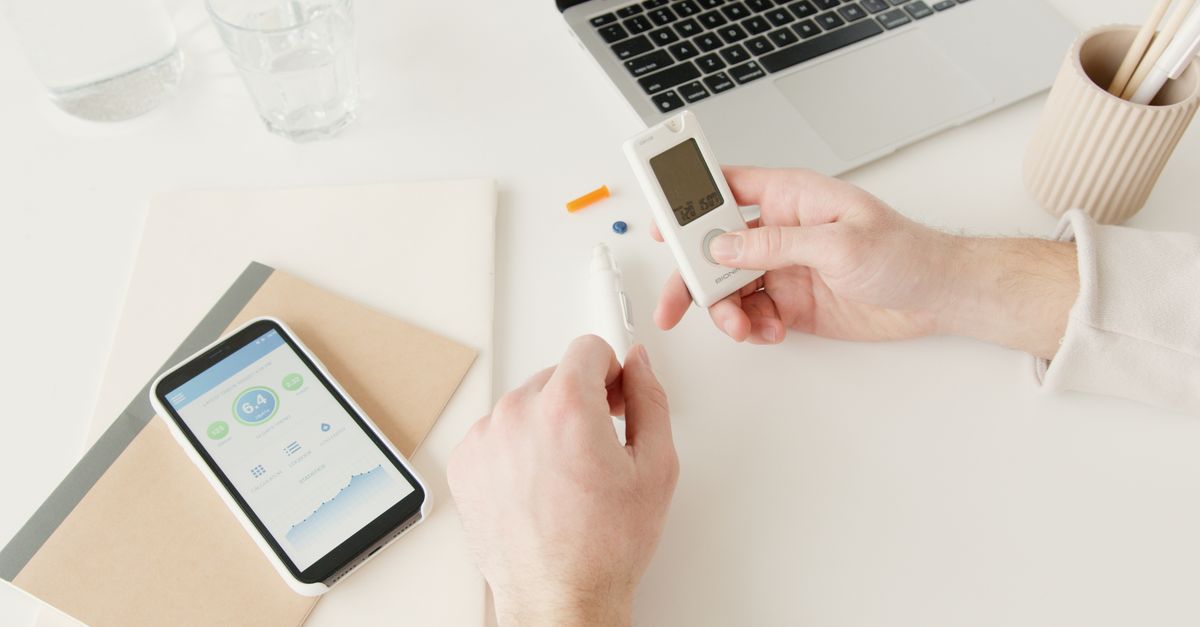
Here's what's coming: continuous glucose monitors (CGMs) for everyone. Already a thing in the biohacker community. These tiny sensors on your arm track your blood sugar in real-time. You'll see exactly how that bagel or that smoothie spikes your glucose. And you'll learn that most "healthy" foods aren't healthy for you.
CGMs are expensive now ($300/month), but prices are dropping fast. Within five years, they'll be as common as step counters. The data is revolutionary — you can see how stress, sleep, and food interact in real-time.
But here's the warning: don't become a data zombie. I've seen people obsess over every metric, micromanaging their biology until they're more stressed than before. The goal isn't perfect numbers — it's better trends. A 5% improvement over a year beats a 50% improvement for a week.
Your Move: The One Thing You Can Do Today
You don't need a $500 device or a complicated protocol. Start with one thing: tonight, put your phone in another room while you sleep. Just that. No apps, no trackers, no "sleep mode." A physical distance between you and your screen.
Do it for seven nights. Track how you feel — not with an app, but with a notebook. Write down your energy levels, your mood, your focus. I guarantee you'll notice a difference by day three.
The tech industry wants you to believe you need more gadgets, more subscriptions, more complexity. But the real health revolution is simpler: use technology as a tool, not a master. Your brain, your body, and your sleep will thank you.
Now go put that phone in the kitchen. I'll wait.